
The Cuba of 2026 lives the paradox of strangulation: while Donald Trump declares a “national emergency” to choke off oil supplies, the private sector already employs half of the island’s workforce.
The current landscape echoes the collapse of the 1990s, but with a structural difference: Havana is no longer a static socialist showcase. What is emerging is the blueprint for a “Caribbean Shark”—a market economy under state tutelage, inspired by the Vietnam model.
For the Global South, Cuba’s survival is the ultimate test of resistance against Washington’s “maximum pressure.” Trump’s threat of a “friendly takeover” signals that the island’s fate may not just be internal reform, but a tutelaged reabsorption by U.S. capital.
Energy asphyxiation as a political weapon
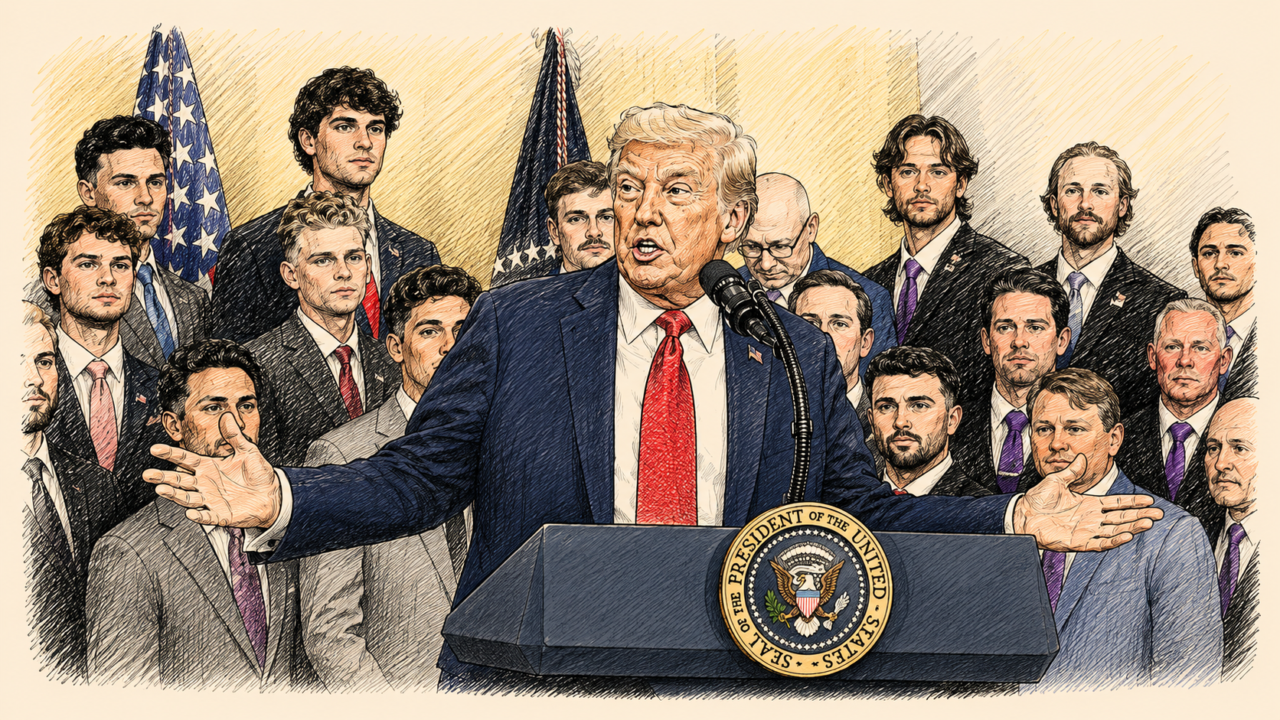
In January 2026, the White House raised the stakes to levels unseen since the Cold War. By declaring a national emergency, Donald Trump established a blockade on fuel suppliers, punishing any nation that services Havana. The goal is clear: to turn scarcity into fuel for regime change. “It’s a matter of time,” claimed the U.S. president, who is already floating the idea of a “friendly takeover” of the island.
Unlike the crisis of the 90s, when the fall of the USSR removed ideological and financial support, the current blockade hits a Cuba that has already begun its transition. Washington’s strategy seeks to collapse the system before the “market socialism” model gains enough traction to guarantee the regime’s financial independence.
The end of the state monopoly on labor
The most significant silent transformation in Havana is happening at the storefronts. While in 1994 the economy was purely state-run and informal, by 2025 the non-state sector—comprised of the self-employed (cuentapropistas) and small businesses (mipymes)—already employs about 1.6 million people. This represents nearly half of the country’s active workforce.
This new Cuban entrepreneurship has already surpassed the state in retail sales. Consumer trade is now mostly private. This duality creates a society more resilient to state inefficiency, but also more connected and sensitive to price fluctuations imposed by international sanctions.
Digital connectivity and the new activism
Unlike the absolute isolation of the original “Special Period,” today’s Cuba is online. The expansion of mobile internet has transformed the dynamics of protests. What was once contained by geographic silence now circulates in real-time through messaging groups and social media. The international visibility of supply shortages has become a variable that the Communist Party of Cuba (PCC) can no longer control with nationalist rhetoric alone.
Connectivity also facilitates the flow of remittances, which Trump is now attempting to restrict again. Money sent by the diaspora in Miami is what keeps the private sector pulsing, creating an ironic link: the capital Washington wants to block is the same that finances the emerging middle class that could destabilize the regime.
The Vietnam model in Caribbean waters
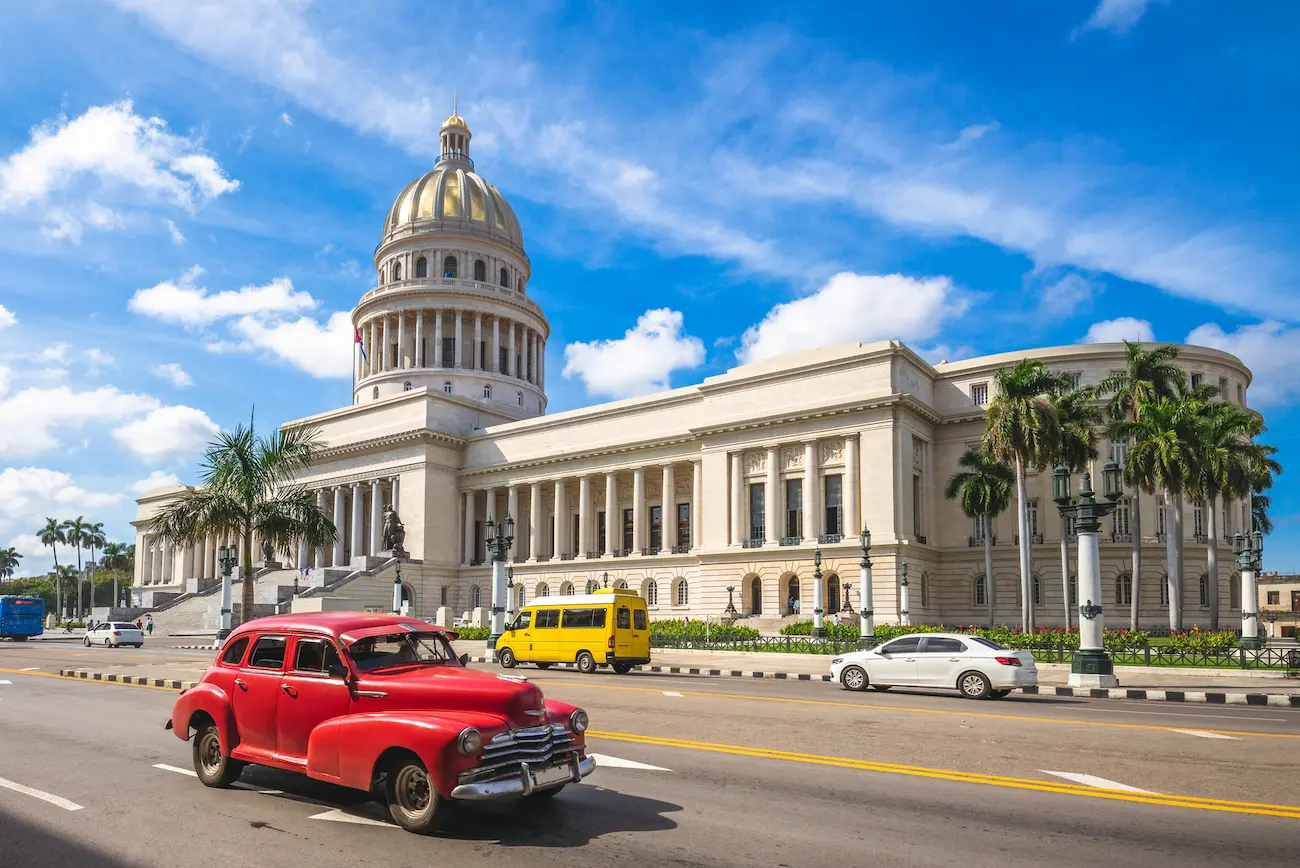
The Cuban leadership looks East for its salvation. The goal is the “updating of the model”: maintaining centralized political control while opening the economy to joint ventures and aggressive foreign investment in biotechnology, tourism, and logistics. The Mariel Special Development Zone is the symbol of this attempt to become a regional hub.
However, Cuba lacks the demographic scale of Vietnam or China. Its vulnerability is extreme in basic sectors such as food and energy. The project of being a “Caribbean Shark”—an agile and aggressive economic actor in specific niches—depends on a stability that proximity to the U.S. makes nearly impossible under the current White House administration.
The threat of tutelaged reintegration
The greatest risk to Cuban sovereignty is not just economic collapse, but the format of the recovery proposed by Washington. Trump signals a roadmap of “tutelaged reintegration,” similar to what he is attempting in Venezuela: maximum pressure to force privatizations favoring U.S. companies and the return of properties nationalized in the 1959 Revolution.
In this scenario, the Cuban “shark” would not be an autonomous predator, but a creature operating in waters mapped by U.S. security and market interests. The cohesion of the PCC, rooted in historical nationalism and the “siege complex,” is the final barrier against a transition that could transform the island into a business platform under a de facto protectorate.
Cuba is marching toward an inevitable post-communism, but the question remains: will the island be the architect of its own opening, or the spoils of a victory announced by Washington?
Trump’s embargo does not just aim to topple a government, but to dictate the price of its reconstruction. In Cuba, the market has already been born, but it is yet to be seen if it will carry its own flag or merely be an extension of the Port of Miami.