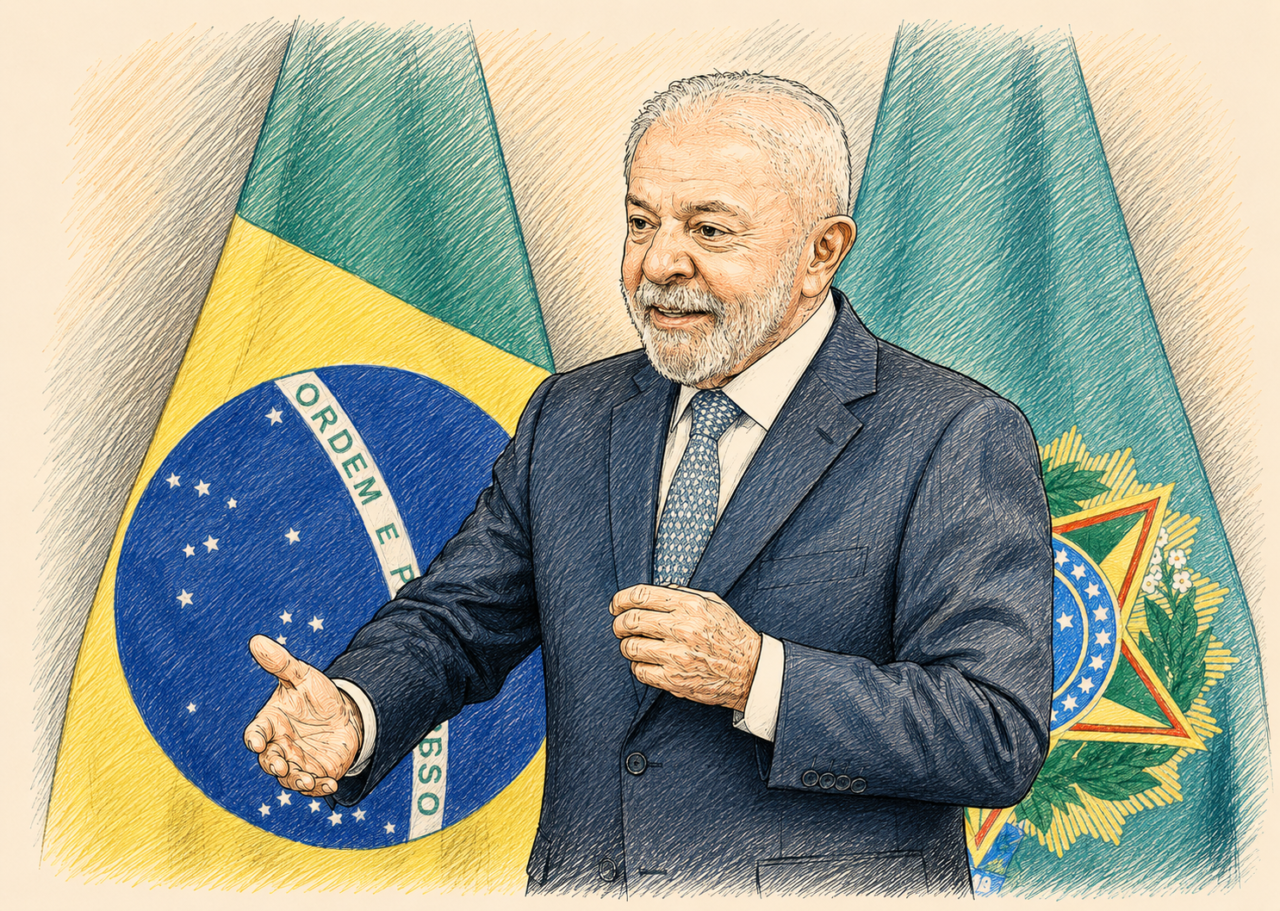
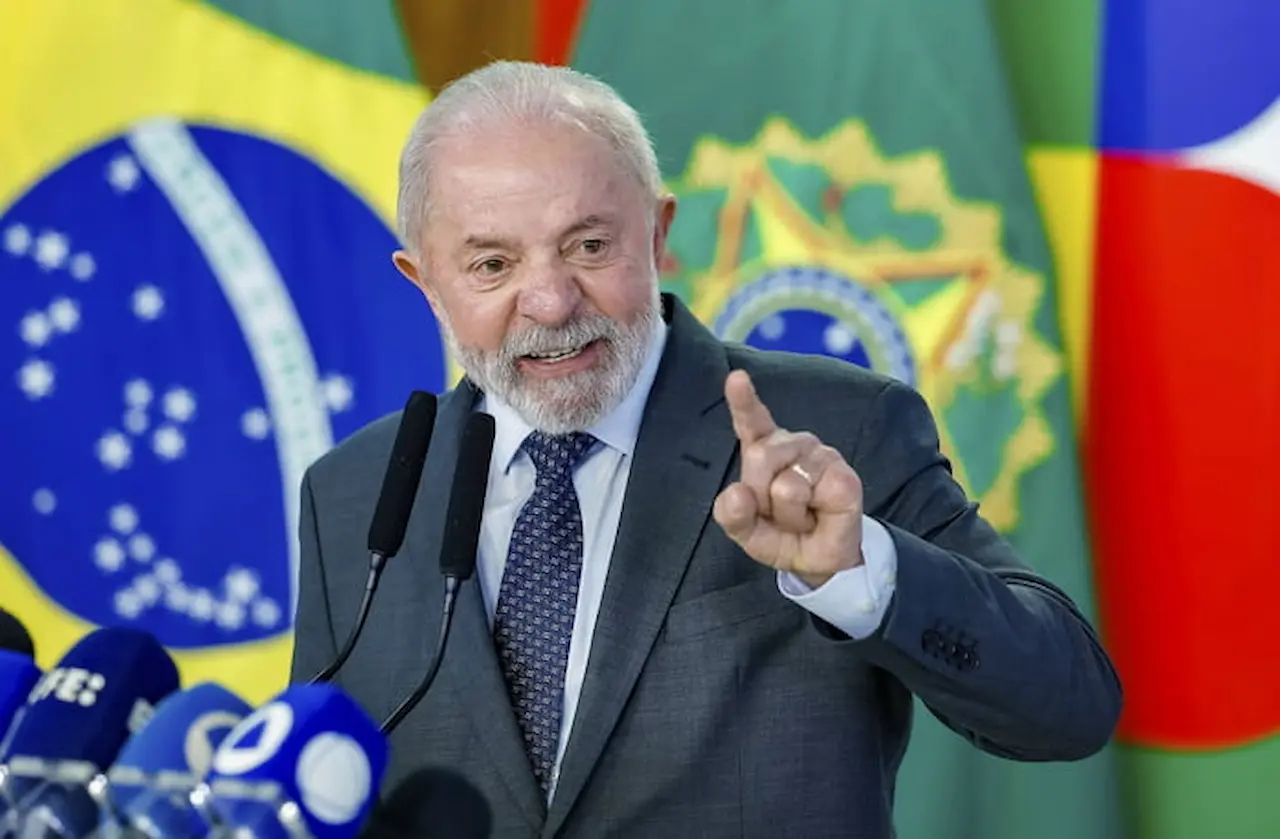
At the opening of Brazil’s judicial year, President Luiz Inácio Lula da Silva used the stage of the Supreme Federal Court to deliver a restrained but unmistakable warning: any future attempt to undermine Brazil’s democratic order will face legal consequences. The statement was less about symbolism and more about reaffirming institutional red lines.
Judicial restraint, not overreach
Lula rejected claims that the Court had assumed undue political protagonism. Instead, he framed its actions as a constitutional response to a direct threat against the electoral system. In doing so, he sought to re-anchor the public debate in legality rather than ideology.
Due process as democratic armor
By emphasizing that those convicted after the 2022 post-election coup attempt were granted full access to evidence and legal defense, Lula addressed international and domestic critics alike. The underlying argument was clear: accountability was enforced without compromising the rule of law.
Violence against institutions is not hypothetical
Lula highlighted the gravity of the situation by recalling threats and intimidation directed at Supreme Court justices, including an investigation that uncovered a plot to kidnap and assassinate Justice Alexandre de Moraes. This was not political theater, but organized extremism aimed at dismantling the state’s core.
Sovereignty under external pressure
Moving beyond domestic politics, Lula warned against foreign pressures that attempt to influence Brazil’s internal democratic decisions. “No nation is built under tutelage,” he said, framing Brazil’s response as grounded in international law and popular legitimacy.
Elections in the age of disruption
The president praised Brazil’s Superior Electoral Court for confronting new threats to electoral integrity, including coordinated disinformation campaigns, artificial intelligence tools, and paid influencer networks. Democracy, he argued, now faces challenges that transcend national borders.
Strategic takeaway
Lula’s speech was not ceremonial diplomacy. It was a calculated assertion of boundaries — domestically and internationally — reinforcing that Brazil’s democratic institutions remain alert, reactive, and prepared to enforce the law.