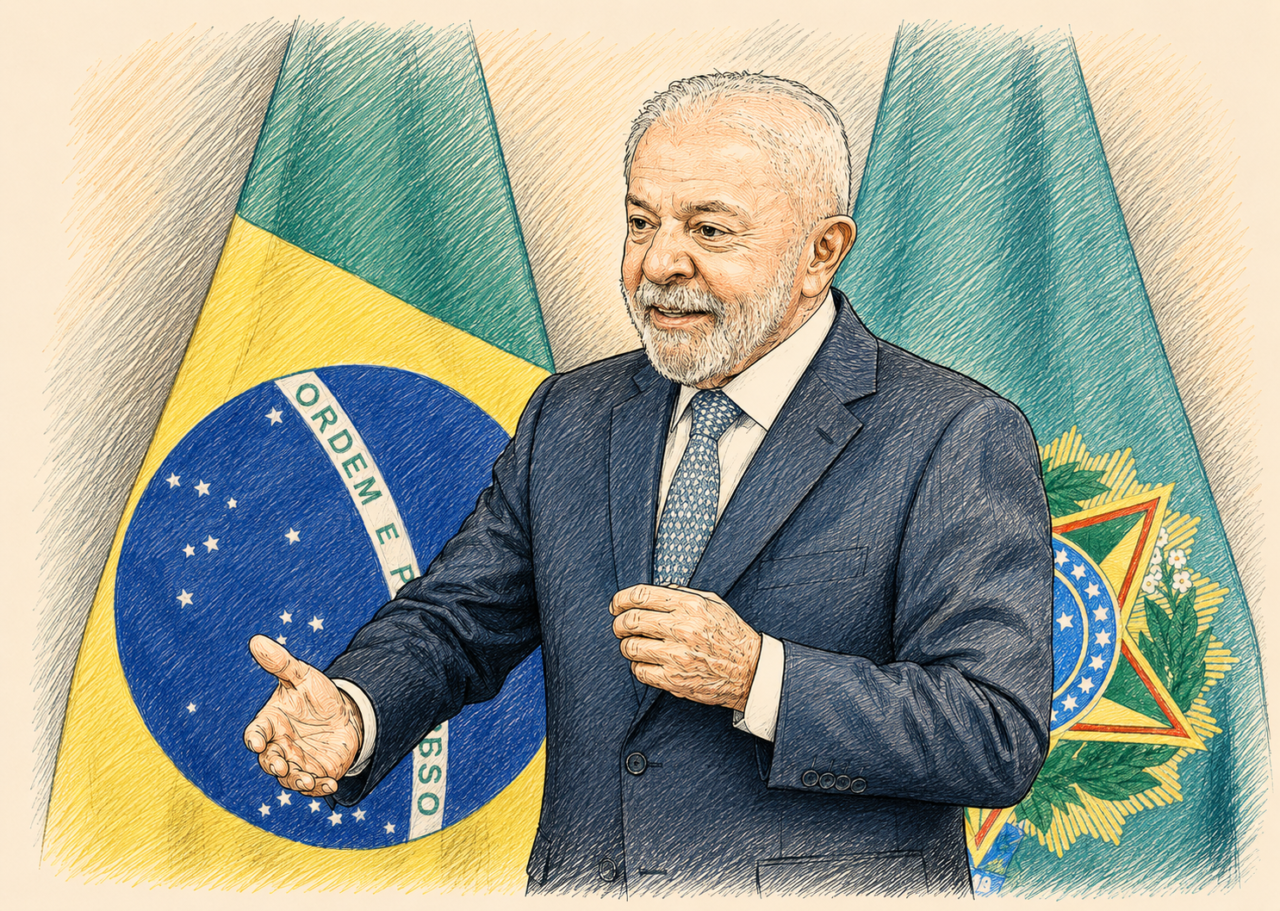
The appointment of Stanley Richards to lead New York City’s jail system marks a historic rupture in American public administration. Announced by Mayor Zohran Mamdani, the decision places a former inmate at the helm of a correctional structure long criticized for violence, neglect, and institutional decay.
In 2026, urban jails across the United States face structural collapse. Overcrowding, understaffing, mental-health failures, and federal investigations define the landscape. New York has become emblematic of this crisis, with watchdog reports describing a system unable to guarantee even basic inmate safety.
Richards’ trajectory embodies the reintegration narrative now embraced by progressive city governments. Convicted of robbery in the 1980s, he emerged from prison to become a national advocate for reducing recidivism and rebuilding lives after incarceration. His work earned federal recognition during the Obama administration, signaling bipartisan acknowledgment of his reform credentials.
Yet symbolism carries risk. Correction officers’ unions argue that lived experience does not replace operational command. Critics warn that political theater may overshadow urgent structural reforms. Supporters counter that decades of punitive management failed, and only systemic rethinking can reverse the cycle of violence.
Globally, 2026 is a turning point. European cities experiment with restorative justice, while the United States remains ideologically split. New York’s decision positions the city as a testing ground: success could redefine national corrections policy; failure would harden resistance to reform.
Who is Stanley Richards?
A former inmate turned national reintegration advocate.
Why is this appointment historic?
It is the first time a former prisoner leads New York’s jail system.
What is the 2026 context?
A nationwide crisis in urban corrections and inmate safety.
Is there opposition?
Yes, particularly from correction officers’ unions.
What are the stakes?
The future direction of U.S. urban criminal justice policy.