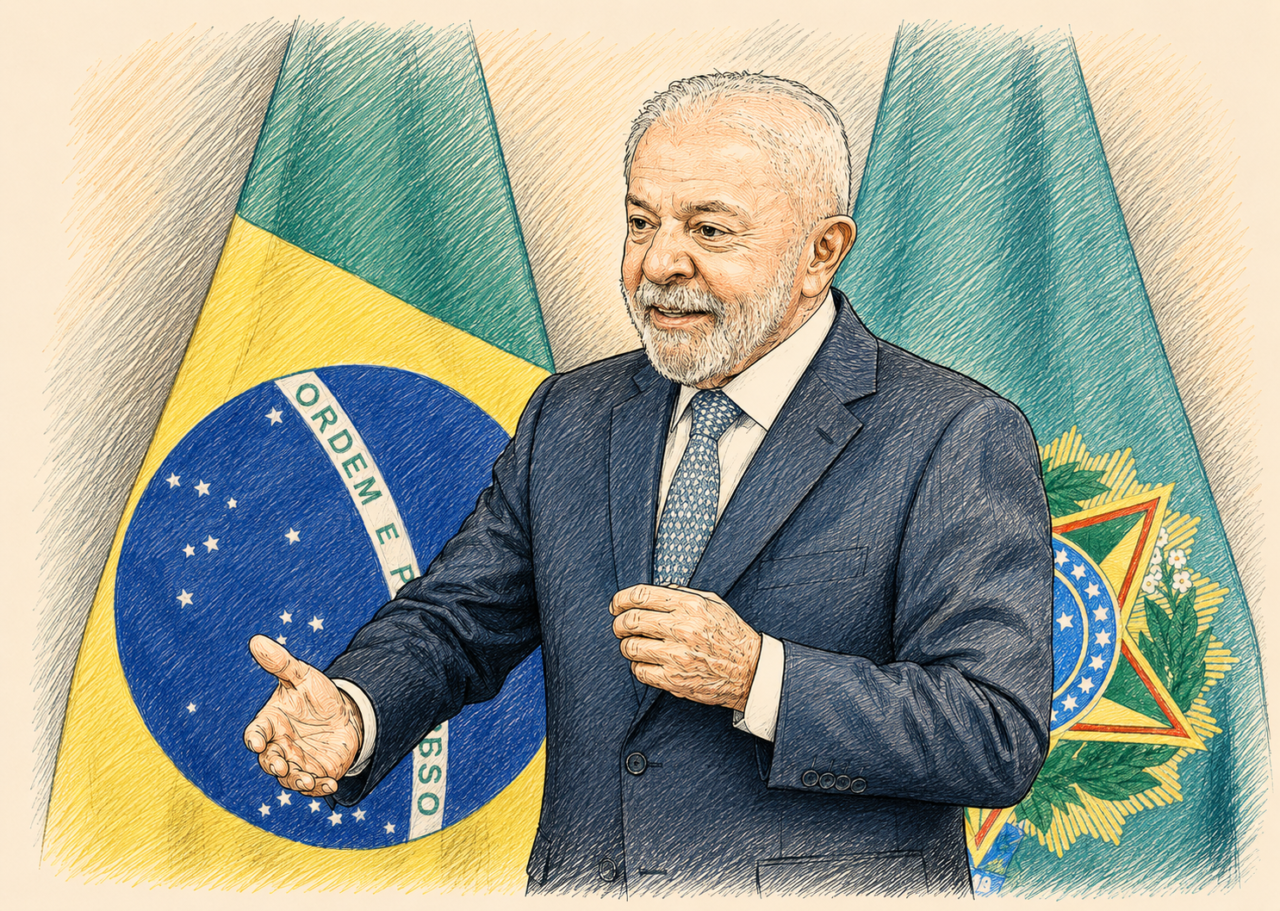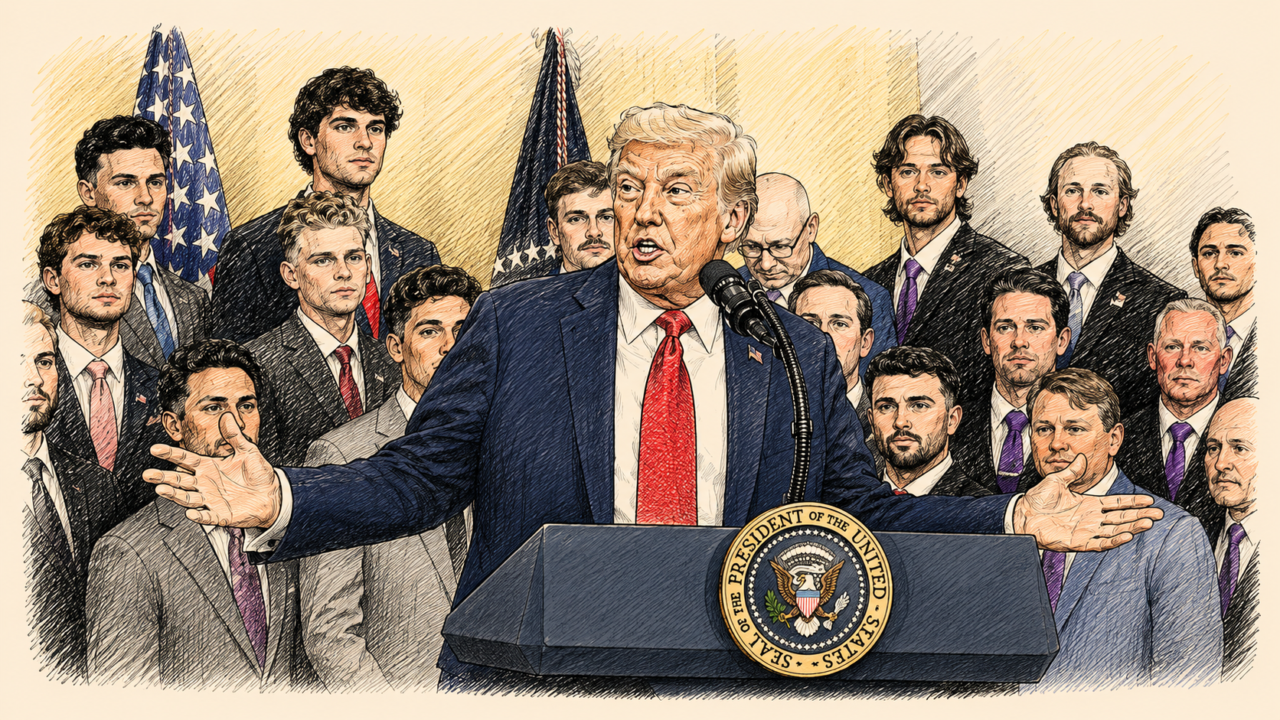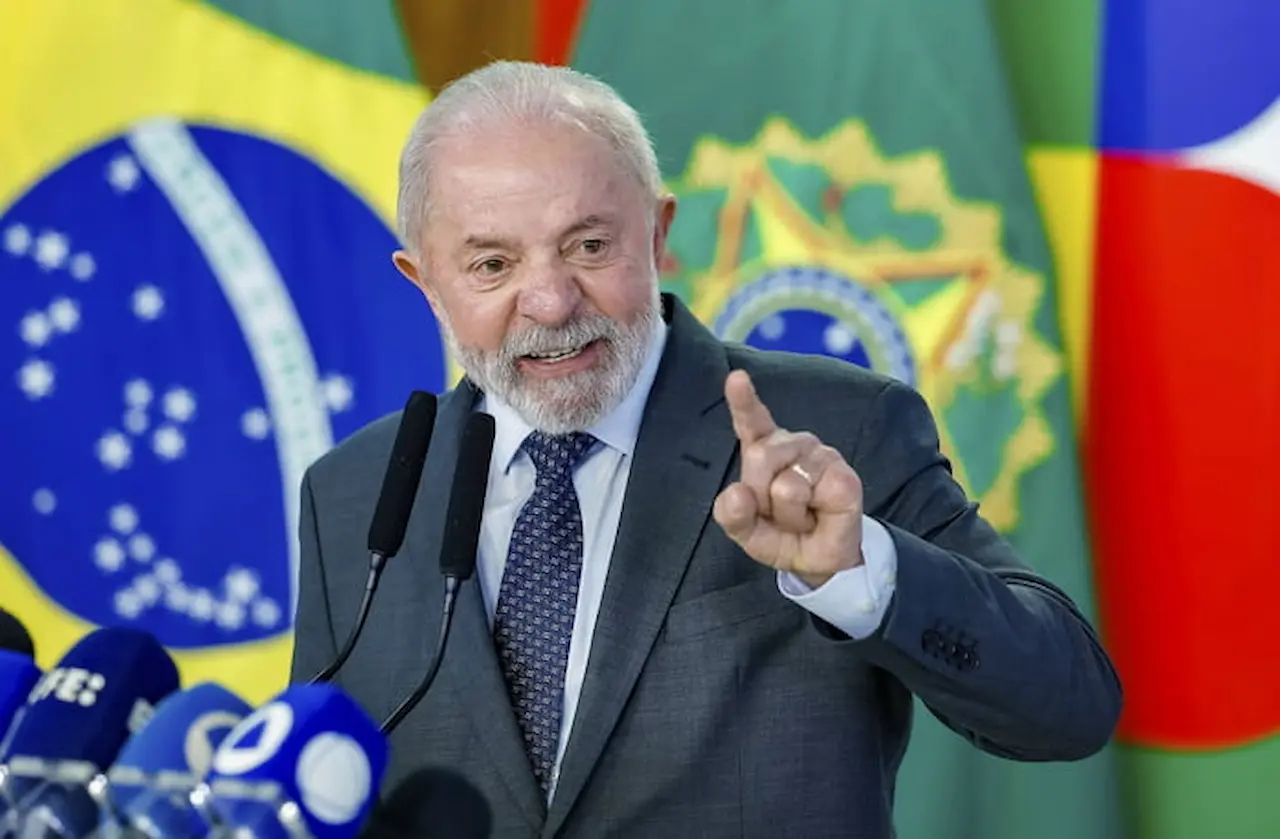
Lula called Sánchez. The conversation on Wednesday between the Brazilian president and the Spanish prime minister about the war in the Middle East is, on the surface, a routine diplomatic contact between two progressive leaders with converging positions on the conflict. On closer reading, it is the outline of a political axis between two governments that chose, at different moments and for different reasons, not to follow the military logic that Washington and Tel Aviv are imposing on the Western world.
Both defended an end to the conflict and the pursuit of peace negotiations. Lula accepted an invitation to visit Spain in April. These are gestures that, taken in isolation, carry limited weight. Combined with the context of the week — Sánchez’s refusal to allow American bases to be used against Iran, Trump’s threat of commercial retaliation against Madrid, the closure of the American embassy in Beirut — they acquire a dimension that goes well beyond diplomatic protocol.
What the two leaders share — and what separates them
Lula and Sánchez share a reading of the Middle East conflict that departs from the Atlanticist consensus: both understand that military escalation does not serve their countries’ interests, that international law cannot be suspended by Washington’s unilateral decision, and that the solution for the region runs through negotiation, not bombardment. These positions place them in tension with Trump’s White House — and draw them closer to a growing share of European and Latin American public opinion.
What separates them is exposure to risk. Sánchez pays an immediate and concrete price for his position: the American threat to review bilateral trade relations is real, the military bases on Spanish soil are the subject of active tension with Washington, and the pressure on Spain within NATO is direct. Lula, meanwhile, operates at a geographic and geopolitical distance that allows him to adopt the same discursive position at a considerably lower political cost.
The April invitation and what it signals
Lula’s acceptance of the invitation to visit Spain in April is not a calendar detail. It is a signal sent at a specific moment: Lula agrees to go to Madrid precisely when Madrid is being pressured by Washington. The visit, if confirmed, will carry an inevitable framing — two leaders who said no to war, photographed together, in the country that paid the most visible price for that refusal.
For Lula, the move carries multiple advantages. It reinforces his positioning as a leader of the Global South and as a peace interlocutor — a narrative the Brazilian president has been cultivating since the beginning of the Gaza conflict, and which gained a new chapter with the escalation involving Iran. For Sánchez, receiving Lula in April means receiving an ally of symbolic weight at a moment when Europe as a bloc has not yet found the collective courage to say what Spain said alone.
Trump, the pressure and the European silence Lula observes
What the conversation between Lula and Sánchez also reveals is the absence of other interlocutors in the same register. Berlin did not do what Madrid did. Paris maintained strategic silence. Rome took no position. The European bloc, which privately shares much of the Spanish assessment of the conflict, remains publicly paralyzed between dependence on the Atlantic alliance and growing discomfort with the direction Washington is imposing.
In that vacuum, Lula occupies a space that larger European leaders are leaving empty. Brazil is not a NATO member, has no American bases on its territory and does not depend on Washington for its immediate security — which grants it a freedom of positioning that European allies simply do not have. That freedom has been deployed by the Brazilian government with consistency: from Gaza to Ukraine to the current escalation, Brazil positions itself as a defender of dialogue when the Atlanticist chorus calls for more weapons and more pressure.
The Planalto statement and what it did not say
The official statement from the Palácio do Planalto on the conversation was economical, as is customary in sensitive diplomatic contacts: the leaders defended an end to the conflict, sought peace negotiations, Lula accepted the April invitation. No mention of American pressure on Spain. No reference to Trump’s threat of commercial retaliation. Not a word about the military bases.
Brazilian diplomacy has a habit of saying in silence what it prefers not to say aloud — and the silence of this statement is eloquent. Calling Sánchez on the day he defied Trump and accepting an invitation to visit him shortly after are gestures that require no verbal explanation. Washington understood. Madrid was grateful. And the diplomatic map of the conflict gained one more line — discreet, but legible to those who know how to read it.
The Middle East, the Global South and the architecture Lula is trying to build
Brazil’s foreign policy toward the Middle East has been consistently guided by two principles: the defense of international law and a commitment to multilateralism as a conflict-resolution mechanism. These principles place Brazil on a collision course with Washington during moments of escalation — and on a convergence course with Global South middle powers and progressive European governments like Sánchez’s.
Wednesday’s conversation is one more brick in that architecture. It does not resolve the conflict. It does not stop the bombardments. It does not neutralize American pressure on Spain. But it contributes to an alternative diplomatic fabric — composed of leaders who refuse the logic of war without having the power to halt it, and who wager that the sum of those refusals, over time, weighs more than any of them does in isolation.
Whether that wager is right, April in Madrid may begin to say something more.