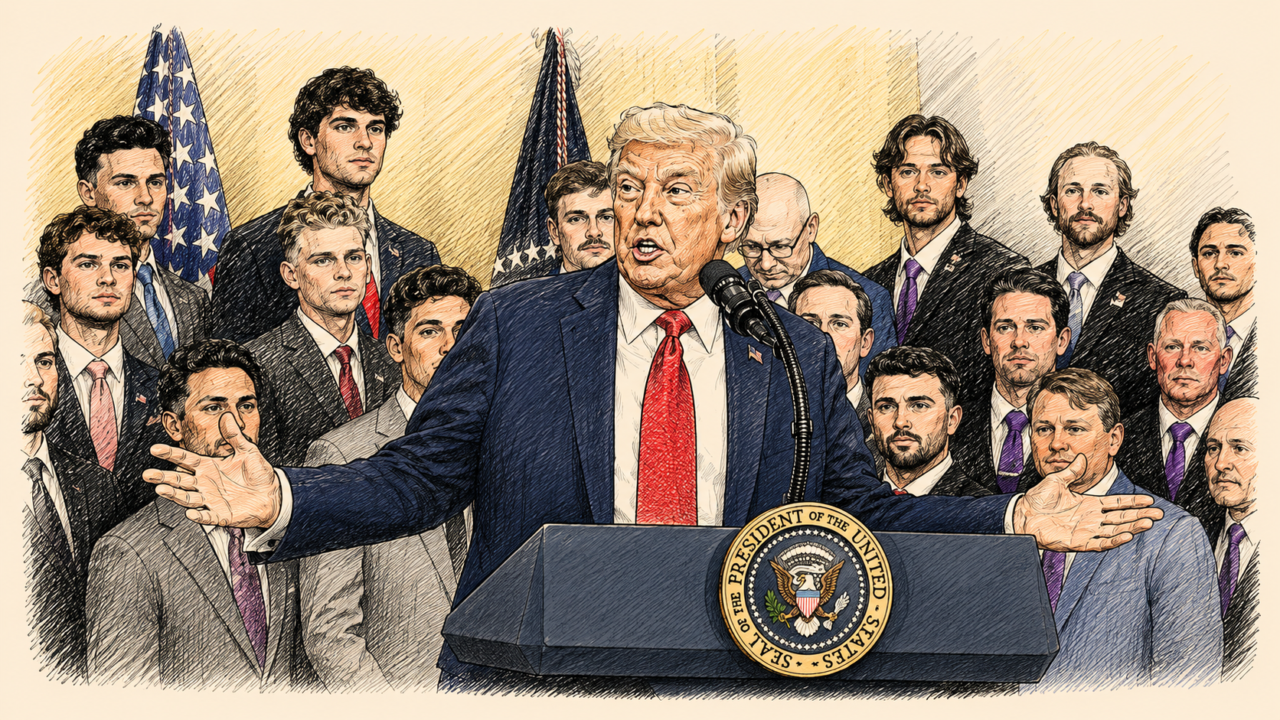

Donald Trump’s attempt to treat the American judiciary like a $10 billion ATM has suffered a definitive short circuit. A U.S. judge has summarily dismissed the former president’s lawsuit against the Wall Street Journal.
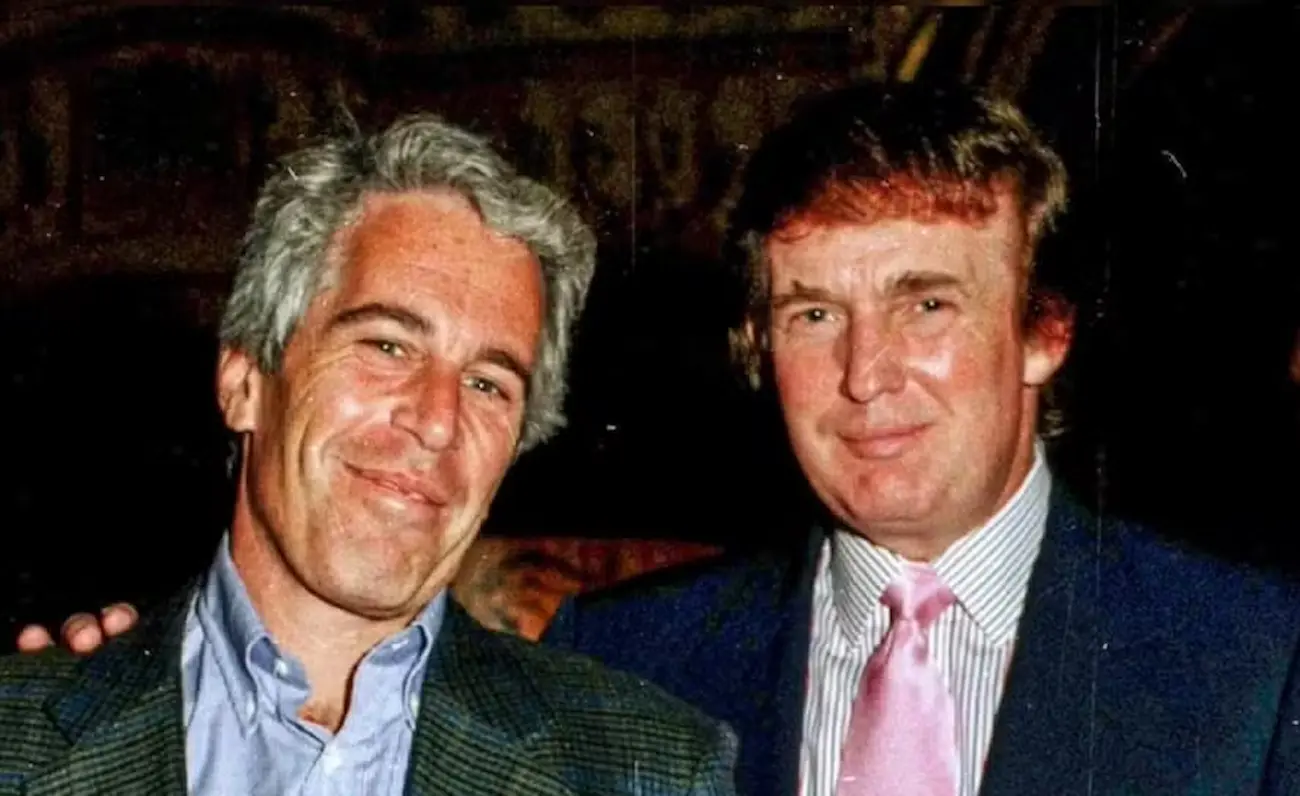
The litigation targeted a report detailing uncomfortable connections between the mogul and the late sexual predator Jeffrey Epstein. For the presiding judge, the defense’s inflammatory rhetoric failed to uphold the basic pillar of defamation: actual malice.
Trump, a master of the “sue first, explain later” doctrine, claimed the Journal acted with a deliberate intent to destroy his image. The court, however, preferred procedural facts over the legal hysteria emanating from the Republican’s legal team.
The Unattainable Standard of Defamation
The ruling serves as a bitter reminder to those who confuse journalistic scrutiny with criminal harassment. According to the decision, the standard required for public figures in the U.S. is a deliberately insurmountable barrier.
The magistrate noted that the Wall Street Journal followed the fundamental rites of professional journalism. The outlet contacted the former president before publication and, more importantly, included his vehement denial within the body of the original text.
By providing space for a rebuttal, the Journal shielded itself against accusations of reckless disregard for the truth. The court ruled that reporting a suspicion while offering the right of reply is a full exercise of the First Amendment.
The Ghost Letter and Epstein’s Shadow
The heart of the discord lies in a purported letter attributed to Trump and addressed to Epstein. The content of the document, which suggests a deeper proximity than admitted, is what the former president classifies as absolute fiction.
Curiously, the court did not bother to analyze whether the letter is authentic or a crude forgery. The focus remained strictly procedural: did the Journal believe the information was of public interest and act within technical norms? The answer was yes.
Trump, who denies authorship of the document with his customary aggression, has already signaled that this episode is just another chapter in his war against the “corrupt media.” His lawyers promise to appeal, keeping the litigation machine churning.
A Setback for the Intimidation Strategy
This decision is not merely a financial blow to Trump’s political estate; it is a failure of Lawfare. The use of astronomical lawsuits to silence newsrooms seems to have hit a limit of judicial common sense.
The judge, while allowing for a potential amended version of the lawsuit to be filed, was surgical in pointing out the fragility of the current arguments. Without proof that the WSJ knew the information was false and published it anyway, the case is nothing but political noise.
As the courts deal with the remains of this battle, the Wall Street Journal remains unscathed. Elite journalism, under the shield of the Constitution, proves that the price of truth is not set in law offices, but in the rigor of the investigation.