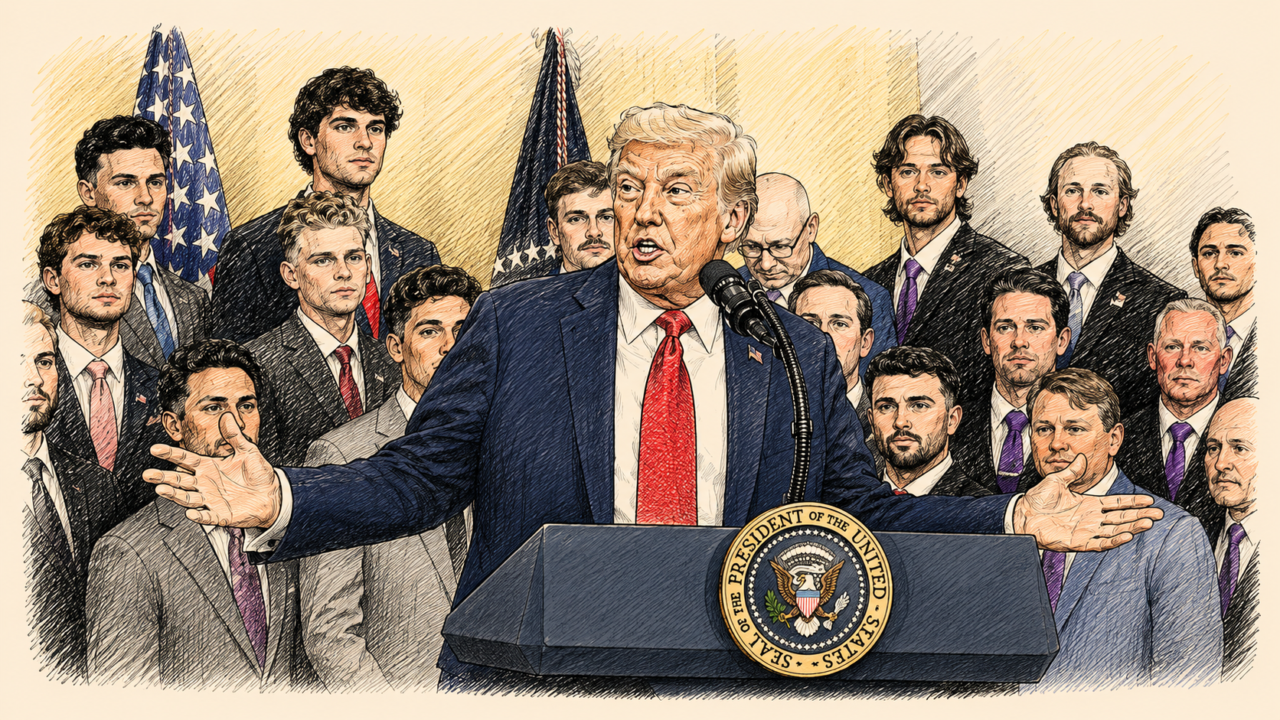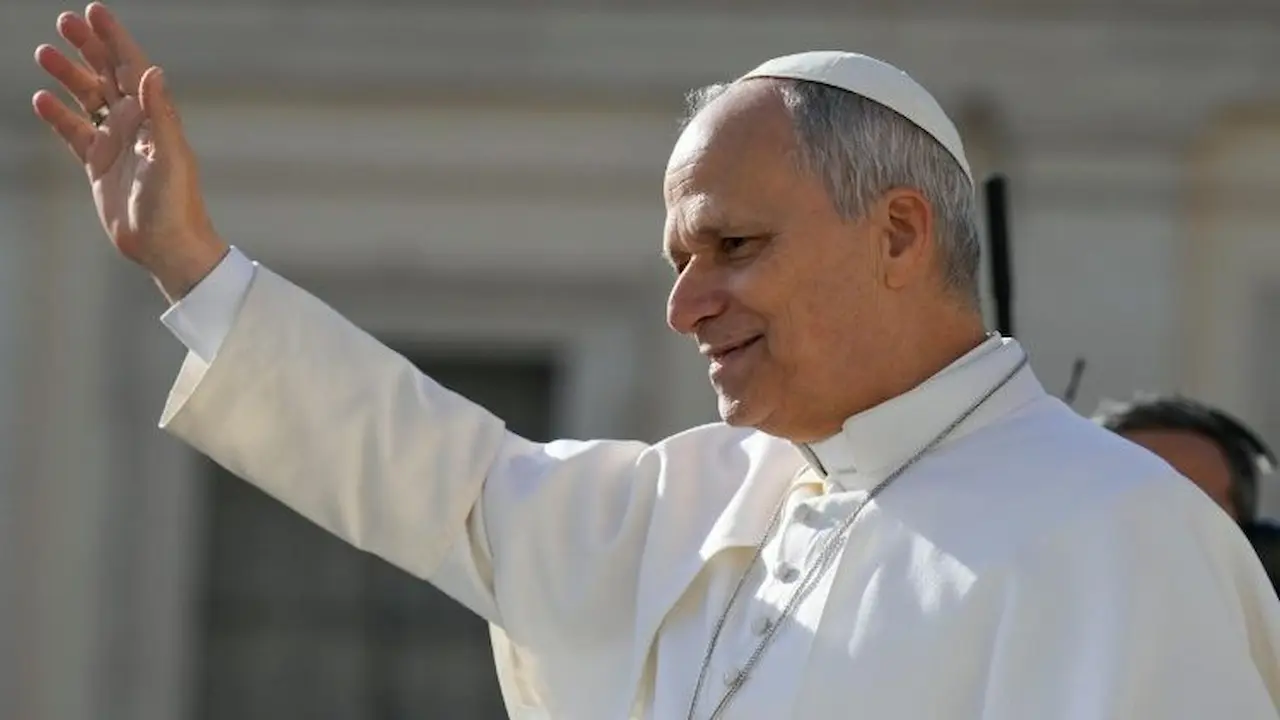

The international landscape of 2026 is taking the form of an unprecedented ethical and political clash. During an official visit to Cameroon, Pope Leo XIV sharpened his rhetoric against what he called a “handful of tyrants” devastating the planet. Without naming names, but in a clear response to recent hostilities from Donald Trump, the Pontiff criticized the allocation of billions of dollars to the industry of death, while basic resources for healing, education, and the restoration of human dignity remain scarce.
The war of words between the Vatican and the White House escalated after Trump labeled the Pope as “weak on crime” and “terrible for foreign policy.” The mogul went as far as sharing an AI-generated image portraying himself with saintly attributes—a provocation that Leo XIV countered by condemning the “idolatrous thirst for profit” and the manipulation of God’s name for military and political gain, calling the practice “filth.”
Confrontation on African Soil
During his meeting with Cameroonian President Paul Biya, the Pope did not limit himself to global themes. He called for severe measures against the corruption plaguing the country and advocated for an end to the conflict in the English-speaking regions, which have bled Cameroon since 2017. For the Pontiff, security cannot be used as a pretext to trample human rights or as a shield for the “caprices of the rich and powerful.”
“It takes only a moment to destroy, but often a lifetime is not enough to rebuild,” the Pope warned, reinforcing that authentic peace only arises when the law serves as a safeguard for all, not just the elite.
Religion and Power
Leo XIV’s critique of the instrumentalization of faith touches the core of Trump’s strategy to mobilize his conservative base through religious symbols. By describing the current scenario as an “upside-down world,” the Pope positions the Church as a moral barrier against the aggressive warmongering marking the first half of 2026.
Despite pressure from Washington, the Vatican signals it will not retreat from its humanitarian agenda. The trip to Cameroon thus becomes a stage for diplomatic resistance, where the “soft power” of faith openly challenges the technological and military might of the great powers.