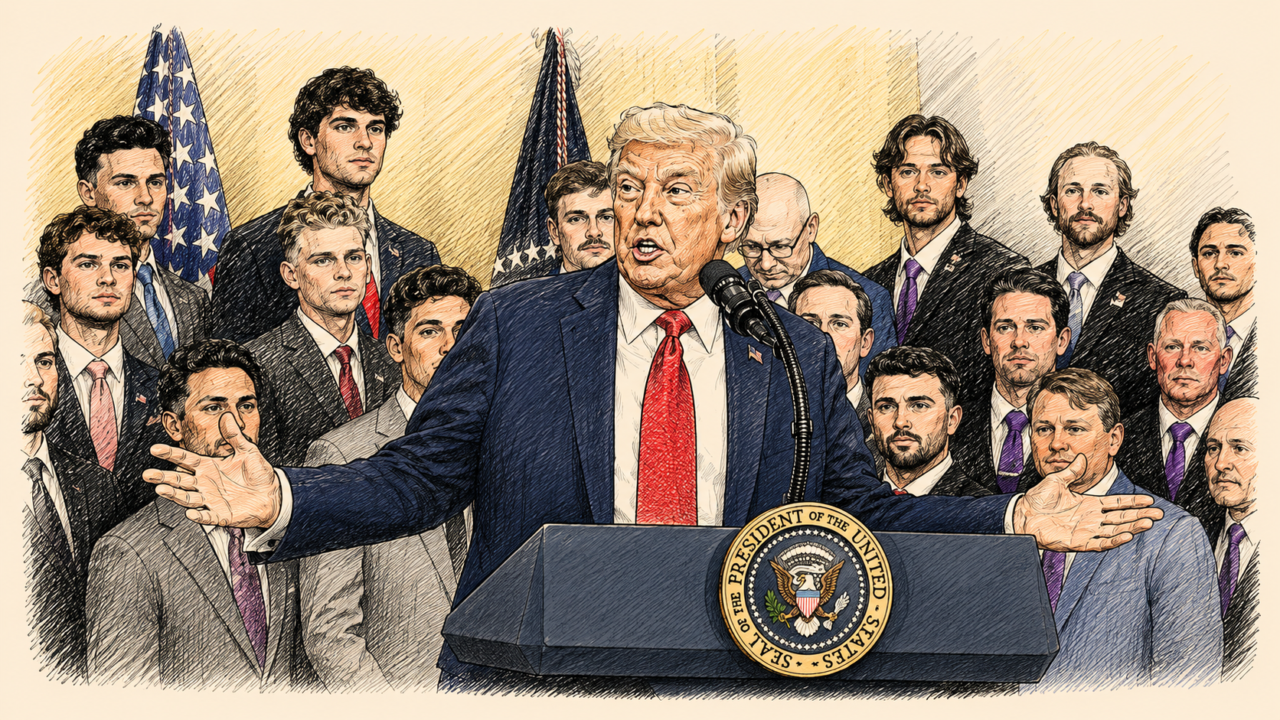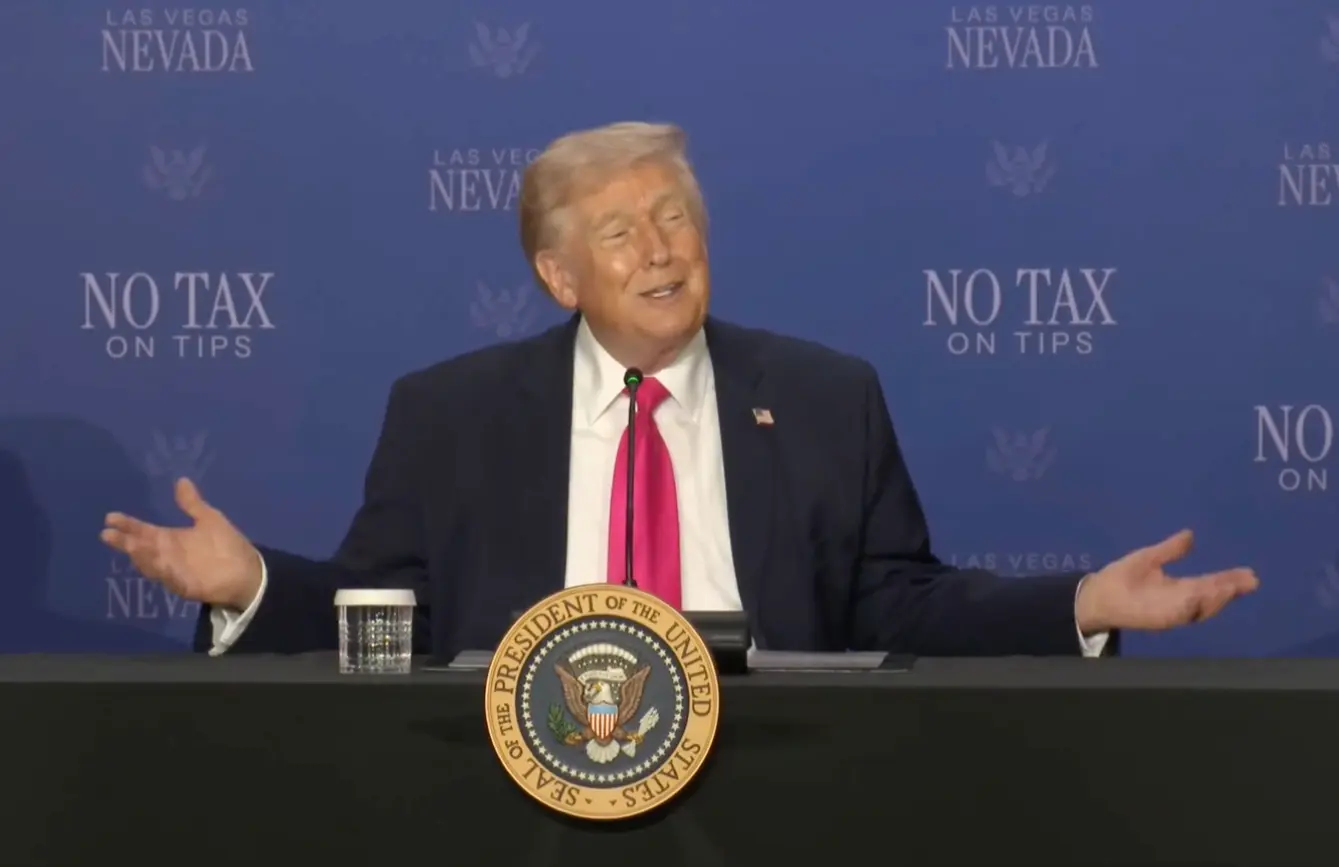

The Washington Hilton became a scene of absolute chaos on Saturday night when gunman Cole Allen, 31, exchanged fire with the Secret Service.
The immediate evacuation of Donald Trump and Vice President JD Vance served as the catalyst for the President to resume his defense of the controversial White House ballroom.
“This is why we need all of the resources we’ve planned for the White House,” Trump declared, explicitly linking the attack to the $400 million project.
The Macro Context
The incident occurs amid a judicial freeze on the construction, which has been targeted for “flagrant conflicts of interest” and contracts sealed under secrecy.
While the security of the event is being questioned—as the shooting occurred on a floor above the dinner—opponents view Trump’s rhetoric as political opportunism.
The strategy seeks to normalize exorbitant spending through fear, utilizing a real event of violence to bypass court decisions unfavorable to the administration.
Financial and Political Backstage
The ballroom’s financing reveals a complex web: two-thirds of the corporate donors hold billion-dollar contracts with the federal government.
Giants such as Lockheed Martin, Amazon, and Google—all facing antitrust or labor actions—are among the companies that injected funds into the project.
The watchdog group Public Citizen notes that these firms benefited from $279 billion in government contracts over the last five years, suggesting a “pay-to-play” scheme.
Impact and Conflicts of Interest
The table below details the profile of the primary financiers of the “Ballroom Project”:
| Donor Corporation | Federal Status 2026 | Contract Volume (5 Years) |
| Lockheed Martin | Top Defense Contractor | $191 Billion |
| Amazon/Apple | Antitrust Targets | $43 Billion (Annual/Group) |
| Meta/Google | Rights Investigations | Cases suspended/ongoing |
Key Points of Criticism:
- Total opacity regarding the origin of specific private donations.
- Coincidence between donations and the suspension of federal regulatory actions.
- Use of a security trauma to push a private-interest real estate agenda.
Scenario Projection
Trump’s attempt to reschedule the dinner within 30 days will serve as a new platform to pressure the Judiciary to release the construction funds.
Ethics groups in Washington are expected to intensify lawsuits to reveal the terms of the secret contracts signed by the government for the work.
If the link between corporate donations and regulatory favors is proven, the ballroom project could become the largest political liability of the current administration.