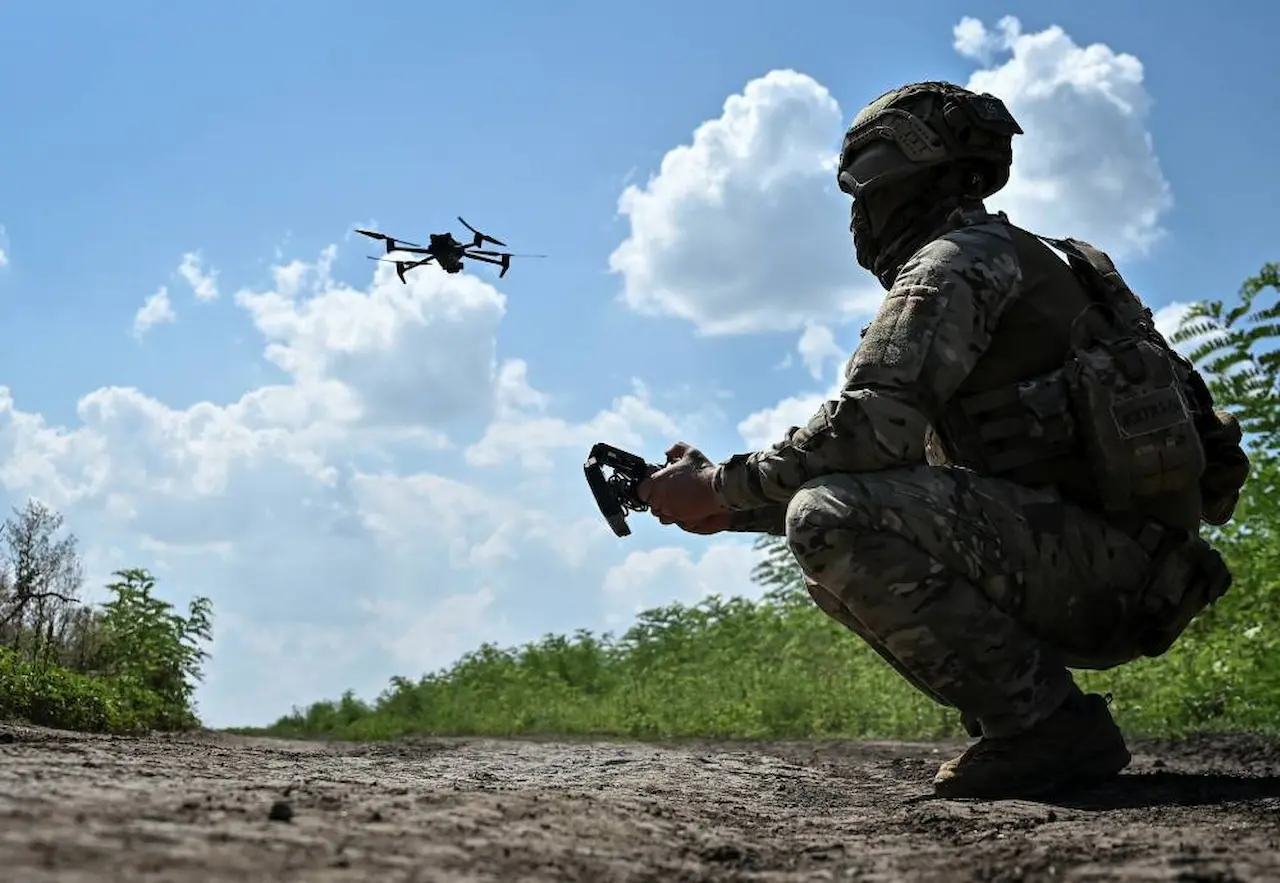

An attack perpetrated by an unmanned aerial vehicle (drone) struck an external electrical generator at the Barakah Nuclear Power Plant, located in Abu Dhabi, United Arab Emirates, triggering a major fire this Sunday, May 17. National security and energy sector authorities immediately reported that the incident caused no casualties or injuries. Environmental monitoring sensors indicated that radiation levels in the region remained completely normal.
According to technical reports sanctioned by the International Atomic Energy Agency (IAEA), the main reactors and essential cooling systems of the infrastructure continued operating without interruption, sustained by redundant emergency generators. The regulatory agency’s director-general, Rafael Grossi, issued an official statement classifying any military action directed against atomic facilities as unacceptable and a violation of international law.
Regional Escalation and Geopolitics
The government of the United Arab Emirates initiated a forensic investigation but refrained from pointing to material or intellectual authorship of the bombing in the initial hours post-event. The episode takes place amid a severe deterioration of diplomatic and military relations involving Iran, the United States, and Israel, whose forces operate on high alert in the Persian Gulf due to successive cross-retaliation threats.
The Barakah central station constitutes the first commercial nuclear complex in the Arab world, serving as a critical vector for the federation’s decarbonization and energy security strategy. The vulnerability of its technical periphery exposes the new anti-aircraft defense challenges faced by oil-producing monarchies against low-cost asymmetric vectors.
Immediate Response Protocol
- Area isolation: Firefighting brigades contained the flames at the external generator in less than two hours, preventing any spread to the containment units.
- Redundancy activated: The auxiliary power supply system engaged automatically, maintaining the cooling flow to the atomic cores.
- Radiological sweep: Local regulatory autarchy teams executed constant measurements of the perimeter, ruling out any heavy material leaks.
Structural Impact and Global Monitoring
| Facility Sector | Operational Status | Mitigation Measure |
| Nuclear Reactors | Intact / Operating | Real-time temperature monitoring |
| External Generator | Destroyed by Fire | Circuit isolation and technical replacement |
| Auxiliary Systems | Active on Emergency | Engagement of backup fuel reserves |
The Complex Security Horizon
Military experts point out that the incident should accelerate the overhaul of counter-drone systems across critical infrastructure in the Arabian Peninsula. The international community follows the developments with apprehension, fearing that new incursions could interrupt power delivery or force preventive shutdowns of the United Arab Emirates transmission grid.