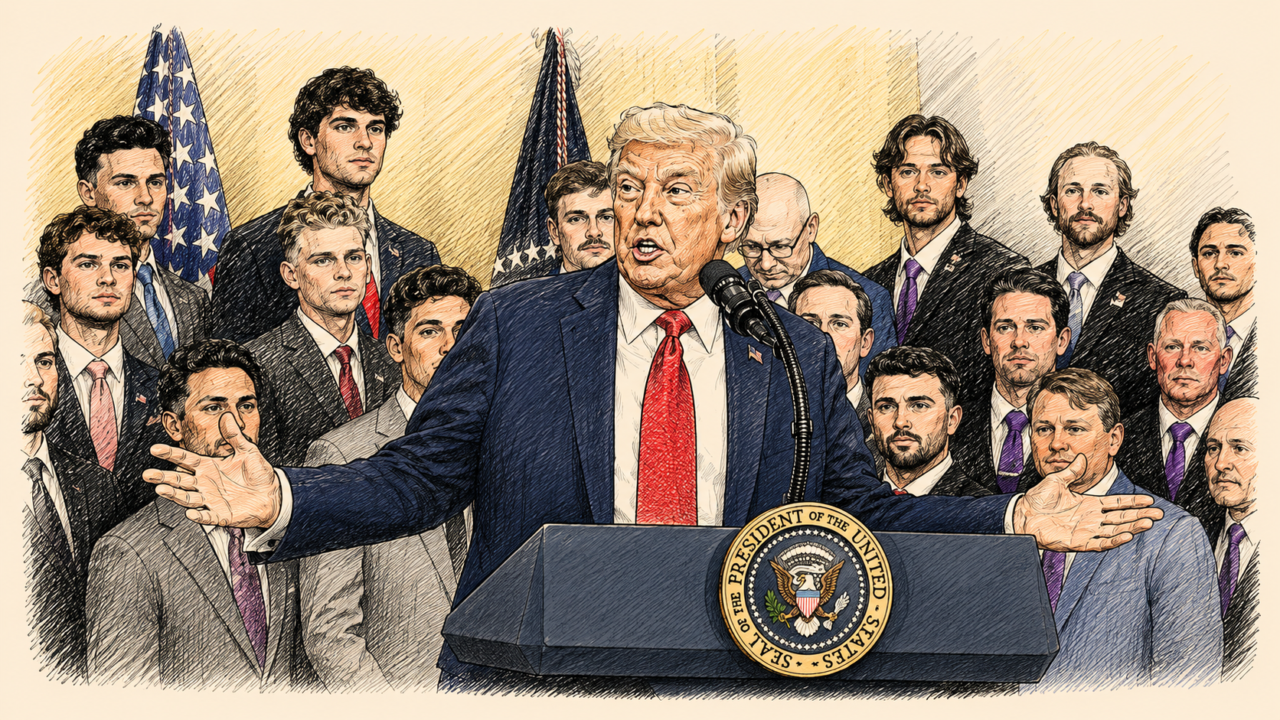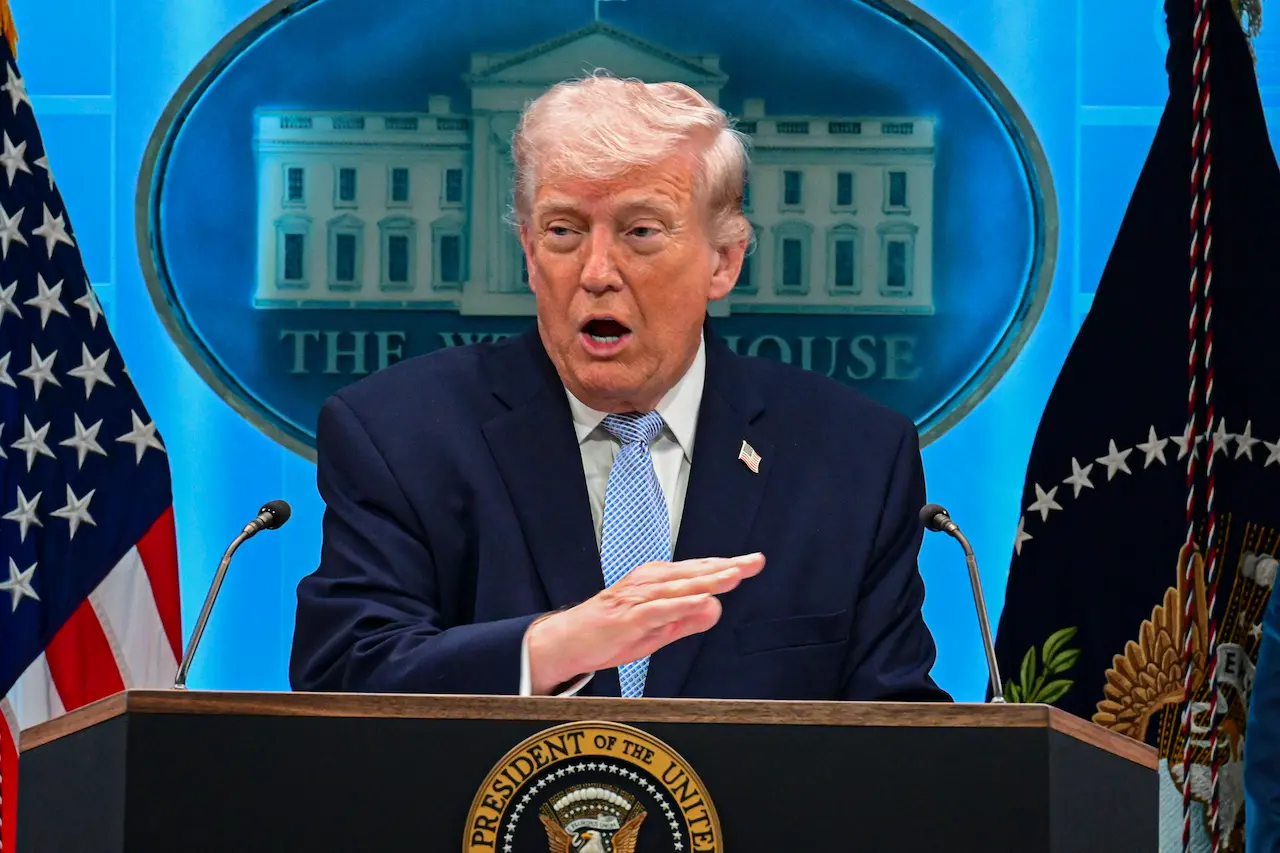

US President Donald Trump drastically hardened his diplomatic rhetoric on Sunday, declaring that “nothing will be left” of Iran if the Asian country does not accelerate the progress of bilateral negotiations with Washington. The Republican leader emphasized that “time is of the essence” for both governments to reach common ground and avoid a military escalation of catastrophic proportions.
The fierce statement comes amid weeks of intense and complex diplomatic negotiations conducted by representatives of both nations. The United States and Iran have been trying to forge a peaceful resolution to a severe geopolitical conflict that erupted in February of this year, but communication channels remain gridlocked due to a lack of consensus on core issues of security and sovereignty.
Nuclear Impasse and Control of Maritime Routes
The core of the international disagreement lies in mutual demands involving highly strategic assets. The White House is demanding rigorous monitoring terms over the Iranian nuclear program, alongside severe restrictions and security guarantees regarding commercial and military transit through the Strait of Hormuz, one of the planet’s most vital maritime choke points for the global flow of oil.
According to information published by the Reuters news agency, authorities in Tehran are showing strong resistance to bowing to Washington’s impositions. Iranian diplomats openly argue that they have no confidence in the United States’ historical record of honoring agreements.
Iran Demands Demonstrations of Seriousness
In response to the ultimatum delivered by the American president, Iran’s executive leadership signaled that any effective advancement in the negotiating tables is conditional on a shift in the US government’s posture.
The Iranian government demands that Washington’s delegation present balanced proposals and practical demonstrations of greater seriousness, rejecting what they consider to be unilateral pressure rooted in military threats or suffocating economic sanctions.
The intensification of public statements has raised the alarm among political analysts and global financial markets, who are closely monitoring the impact on Middle Eastern energy stability should the diplomatic talks face a definitive collapse in the coming weeks.