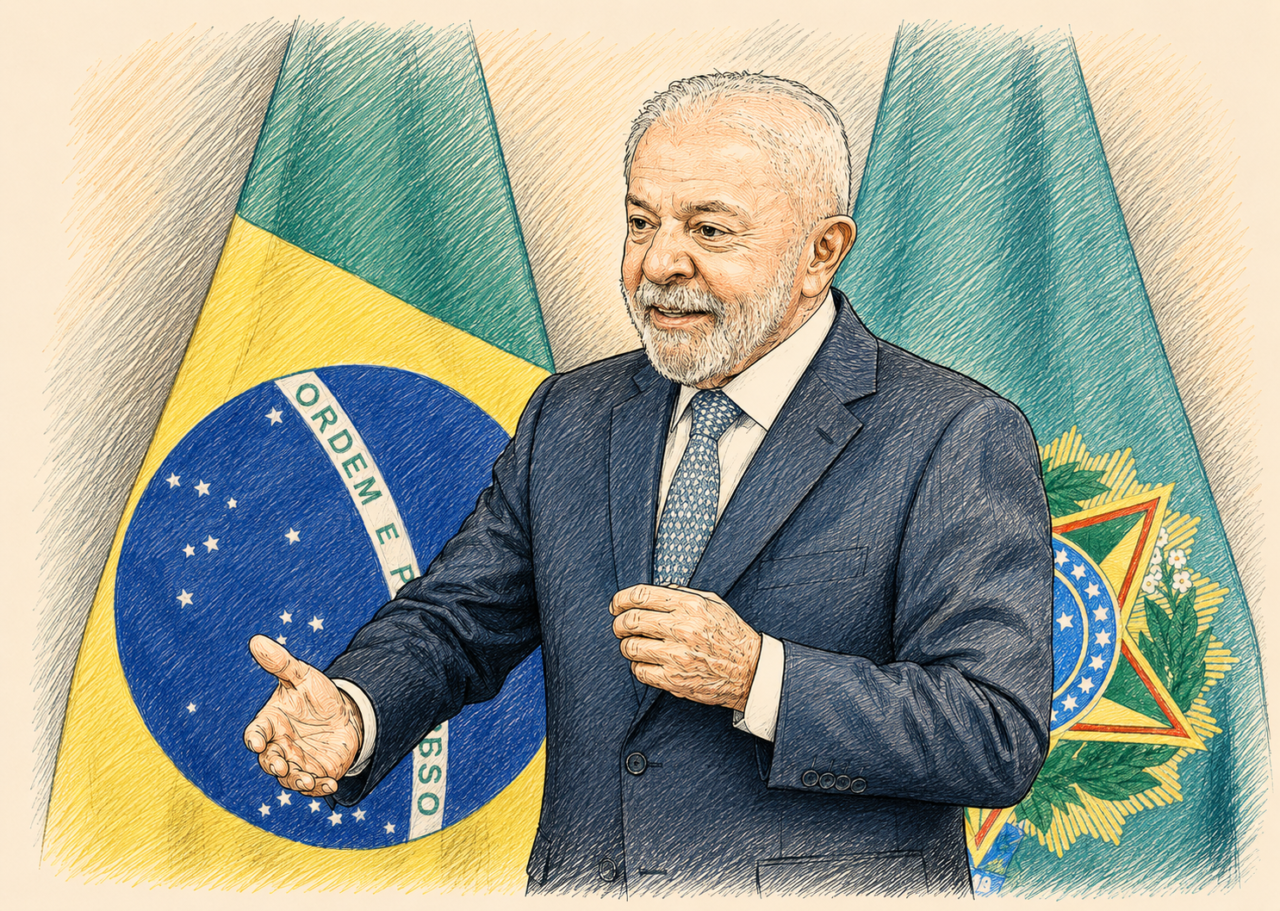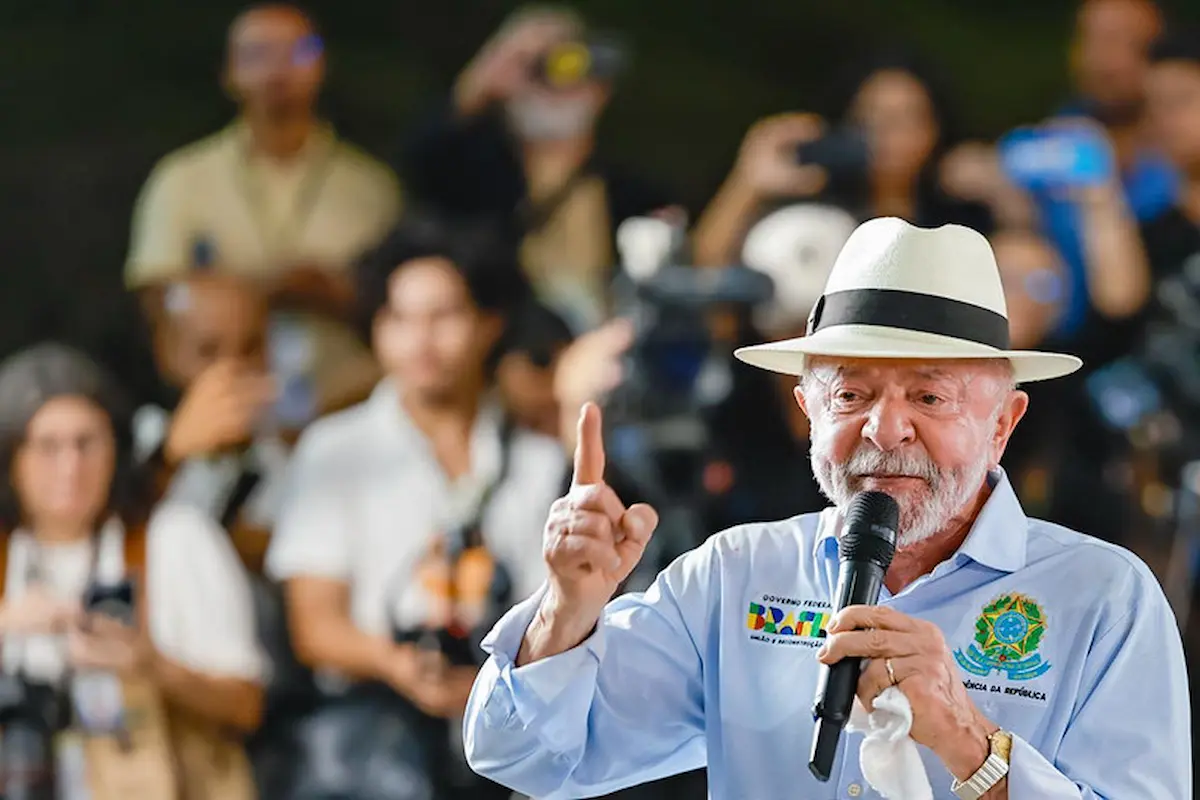

President Luiz Inácio Lula da Silva announced a strategic shift in Brazil’s trade policy in response to the tariff threats imposed by the United States. During a ministerial meeting held this Wednesday, June 3, the President made it clear that Brazil will not submit to American impositions and will actively seek new markets for its products.
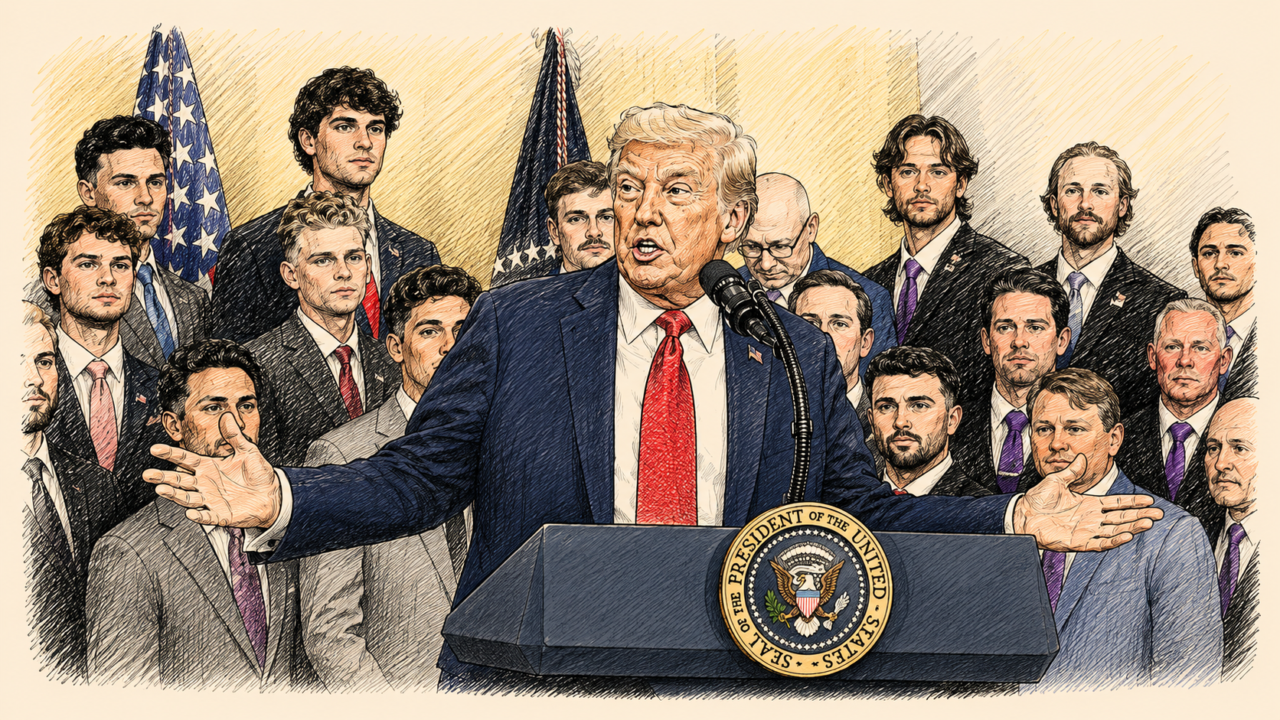
The statement was a direct response to the Trump regime’s proposal to levy tariffs on Brazilian goods. Lula classified the measure as a surprise and reinforced the need for a sovereign stance in international negotiations, denying any intention of submitting to Washington’s interests.
Diversification as a strategic response
The tone adopted by the President at the Planalto Palace was firm. By stating that Brazil will seek commercial alternatives if the surcharges are implemented, Lula signaled that dependence on a single economic pole is no longer a non-negotiable premise of Brazilian diplomacy.
The government’s goal, according to the President, is to strengthen multilateralism and avoid treatment characterized by subordination. The guidelines discussed in the ministerial meeting focus on the following axes:
- Immediate prospecting for commercial partners in emerging and dynamic markets.
- Intensification of bilateral agreements with blocs that operate outside the direct sphere of influence of the US.
- Defense of national autonomy against retaliatory policies that weaken the productive sector.
Sovereignty and geopolitical weight
The President was emphatic in declaring that the country must not be treated as an insignificant “republiqueta” (small republic). This rhetoric serves to consolidate an image of sovereignty before public opinion, especially at a time when trade tensions with Donald Trump’s administration are reaching critical levels.
The material significance of the decision lies in the urgency of protecting the national trade balance. Seeking new buyers is not merely a political reaction, but an economic necessity to mitigate the potential impact of tariffs and ensure the competitiveness of Brazilian exports.
The consequence of a readjustment in trade flows with the United States will be a turning point. The country is putting its ability to navigate a polarized global scenario to the test, evaluating the viability of strategic partnerships to maintain its position in international trade.