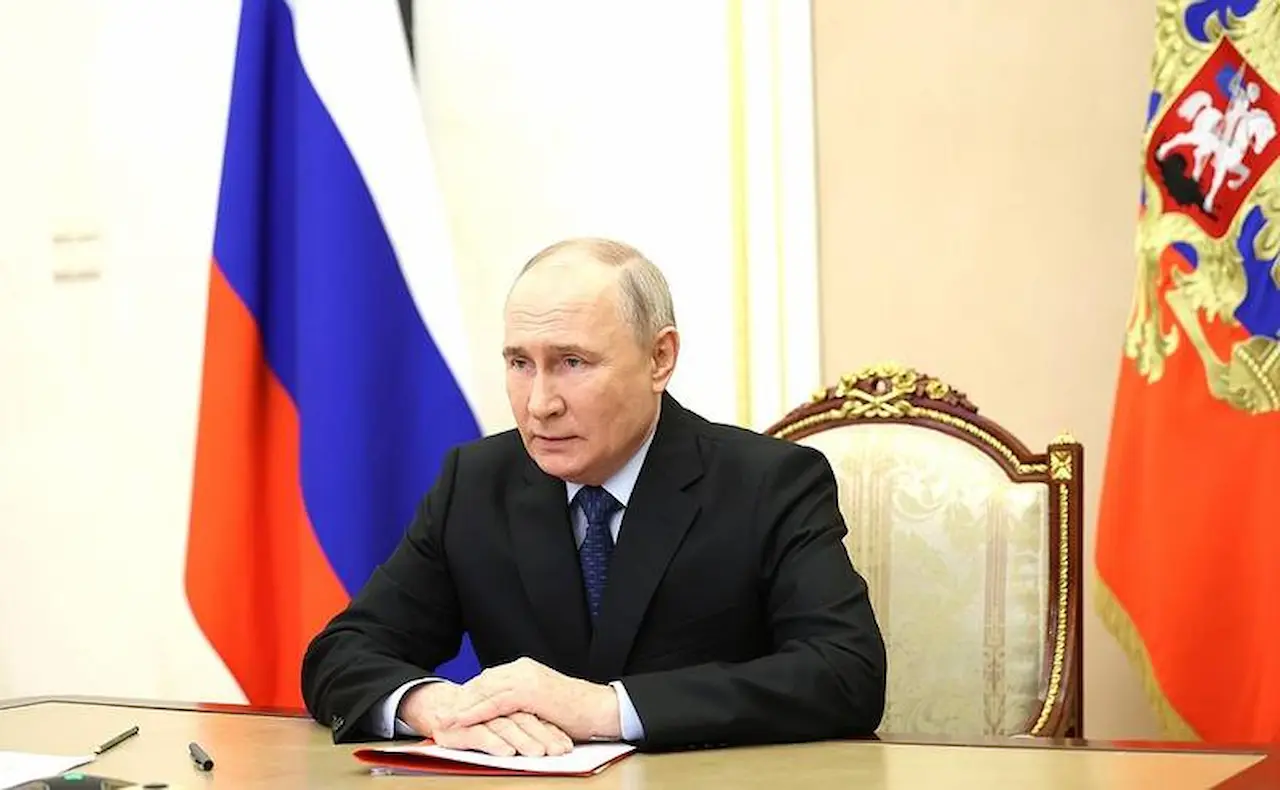

Russian President Vladimir Putin declared this Thursday that Moscow remains willing to end the conflict in Ukraine through diplomatic channels. However, the rhetoric of peace was immediately conditioned on Kyiv’s acceptance of the demands imposed by the Kremlin.
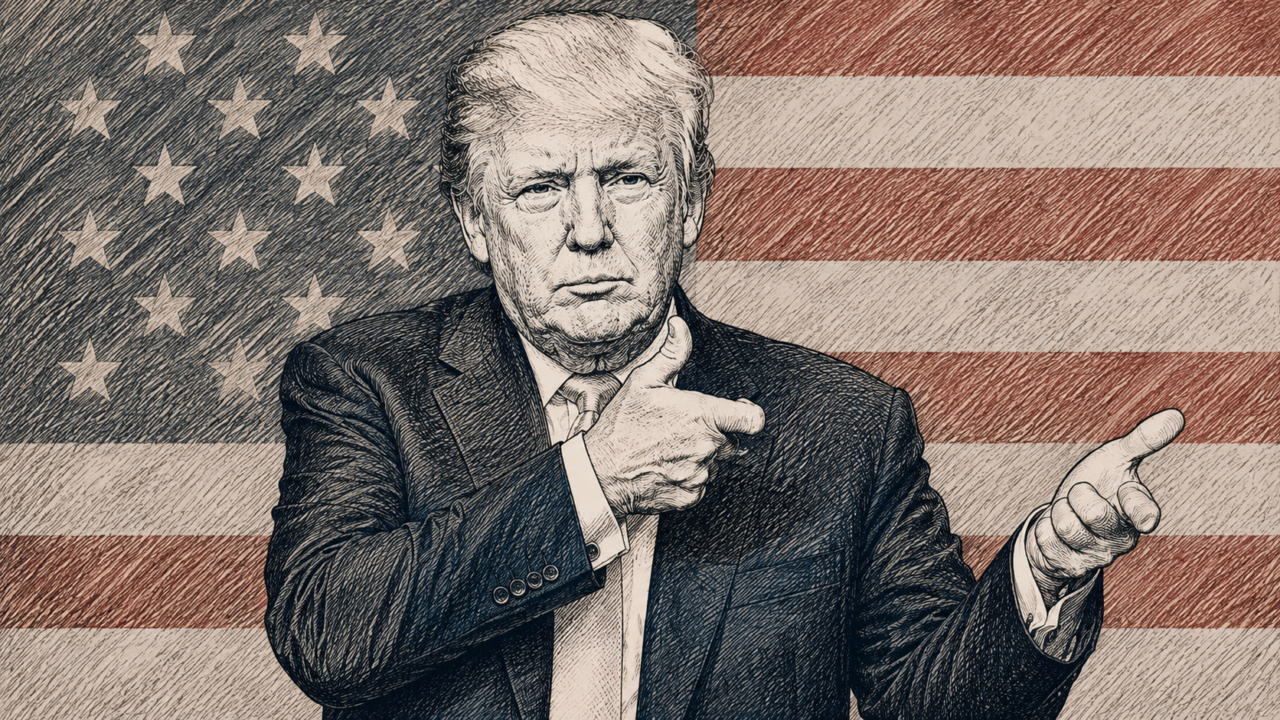
In a meeting with the press, Putin underscored that Russia is ready to fulfill the commitments discussed with United States President Donald Trump. The statement reinforces the role of the North American administration as the primary guarantor behind the scenes of this negotiation process.
Military strategy as a pillar of diplomacy
Putin did not merely signal toward the negotiating table; he reiterated Russia’s capacity to decide the fate of the conflict on the battlefield should diplomacy fail. The Russian leader used the platform to showcase the territorial gains of his forces in the eastern regions of Ukraine.
- Full control of Russian forces over the entire Luhansk region.
- Occupation of more than 85 percent of Donetsk territory.
- Maintenance of continuous military offensives on combat fronts.
The asymmetry of negotiations
Moscow’s insistence on dictating the terms of the agreement highlights the Russian resistance to ceding sovereignty over the annexed areas. By linking diplomacy to an alleged military victory, the Kremlin places Ukraine in a position of strategic disadvantage, where any ceasefire is presented as a Russian concession rather than a balanced solution.
The reference to commitments with Trump suggests a geopolitical alignment where regional stability is discussed directly between the powers, relegating Ukrainian sovereignty to the background. This power architecture subordinates peace to the interests of maintaining hegemony over the post-Soviet space.
The contradictions of official discourse
Putin’s speech reveals the Russian attempt to internally sustain the narrative of an inevitable war while externally seeking the normalization of relations with the West under new conditions. This duality exposes the wear and tear on the Russian war economy, which, despite territorial gains, must deal with the instability of a conflict that has dragged on for years.
The demand that Ukraine accept unilateral terms for peace transforms the concept of diplomacy into a tool for capitulation. Without a consensus that guarantees territorial integrity and self-determination, the peace proposed by the Kremlin remains a political fiction destined to validate the status quo achieved through brute force.