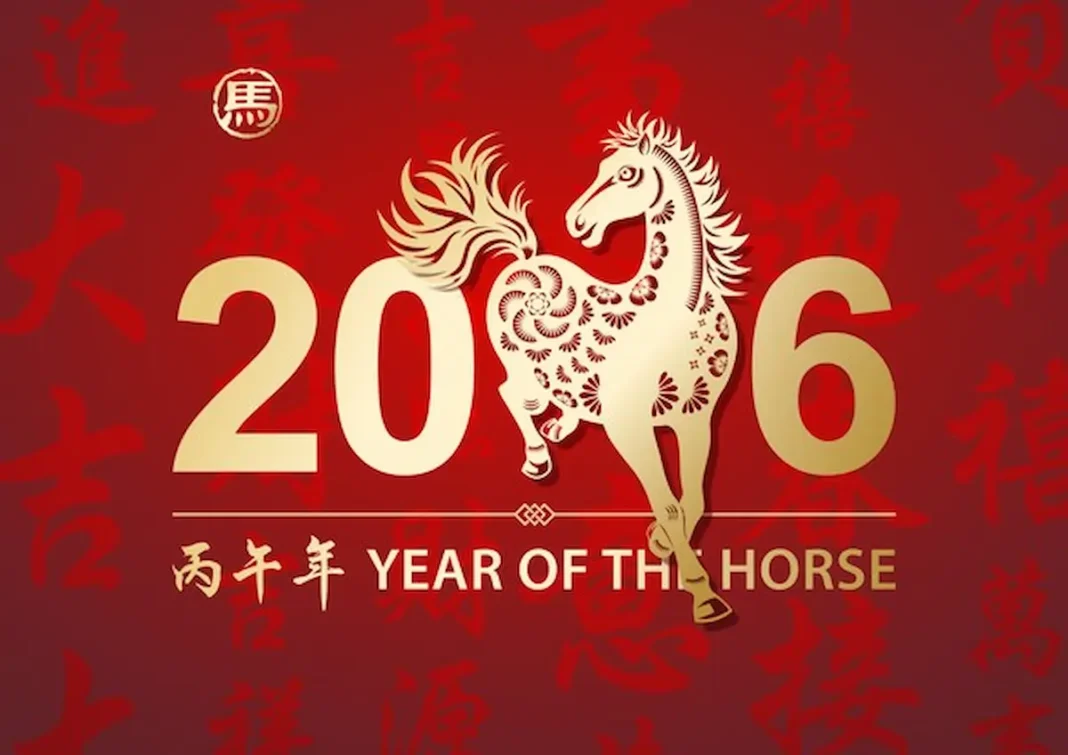

The arrival of the Year of the Fire Horse in 2026 has sent ripples through the international community, not merely as a cultural curiosity but as a significant disruptor of global supply chains. In the United States and Europe, the “China Shutdown” is often analyzed through a purely industrial lens, yet the underlying driver is metaphysical. The superstitions governing this period—ranging from linguistic puns to ancestral debts—form a rigid framework that dictates the movement of billions of people and trillions of dollars.
The Linguistic Architecture of Wealth
In 2026, the power of homophones in Mandarin continues to drive market trends. The word for “leek” (jiucai) sounds like “long-lasting wealth,” leading to a predictable but massive spike in agricultural futures. Conversely, words associated with “death” or “loss” are scrubbed from corporate communications during the festival. This linguistic superstition creates a “sanitized” commercial environment where only positive signifiers are allowed, forcing Western marketing agencies to undergo rigorous “cultural auditing” to avoid devastating brand damage.
Editorial Perspectives
Fire Horse 2026: The Volatility Index
The Fire Horse is historically associated with upheaval and intense energy. In the context of 2026, this has translated into a shift in the global insurance industry. Actuaries are increasingly accounting for “festival-related disruptions” and psychological market shifts. The superstition that the Fire Horse brings “uncontrollable heat” has led to a surge in investments in green energy and cooling technologies, as the collective psyche leans toward balancing the elemental fire of the year.
The Debt Clearance Imperative
A crucial, often overlooked superstition is the requirement to settle all debts before the New Year begins. In 2026, this has manifested as a massive liquidity event in January. Debtors scramble to clear balances to avoid “carrying bad luck” into the new cycle. This creates a seasonal peak in debt recovery rates but also a temporary vacuum in consumer credit markets, as the population prioritizes a “clean slate” over leveraged spending.
Haircuts and the Taboo of Scissors
The belief that using scissors or knives during the first days of the year “cuts the threads of fortune” leads to a total cessation of certain artisan trades. In 2026, the grooming industry in major Asian hubs sees a 300% increase in activity in the week leading up to the holiday, followed by a total blackout. This “feast or famine” cycle forces global hair-care brands to rethink their inventory management for the first quarter.
Ancestral AI: Rituals in the Age of Silicon
The most profound shift in 2026 is the use of AI to maintain “filial piety,” a cornerstone of Lunar New Year superstitions. Digital twins of ancestors are being used to “receive” virtual offerings. The superstition that neglected spirits bring misfortune has turned into a booming sector for “Legacy Tech.” Families now subscribe to cloud-based ancestral shrines, ensuring that the “luck” of the household is maintained through continuous, algorithmically perfect ritual observance.