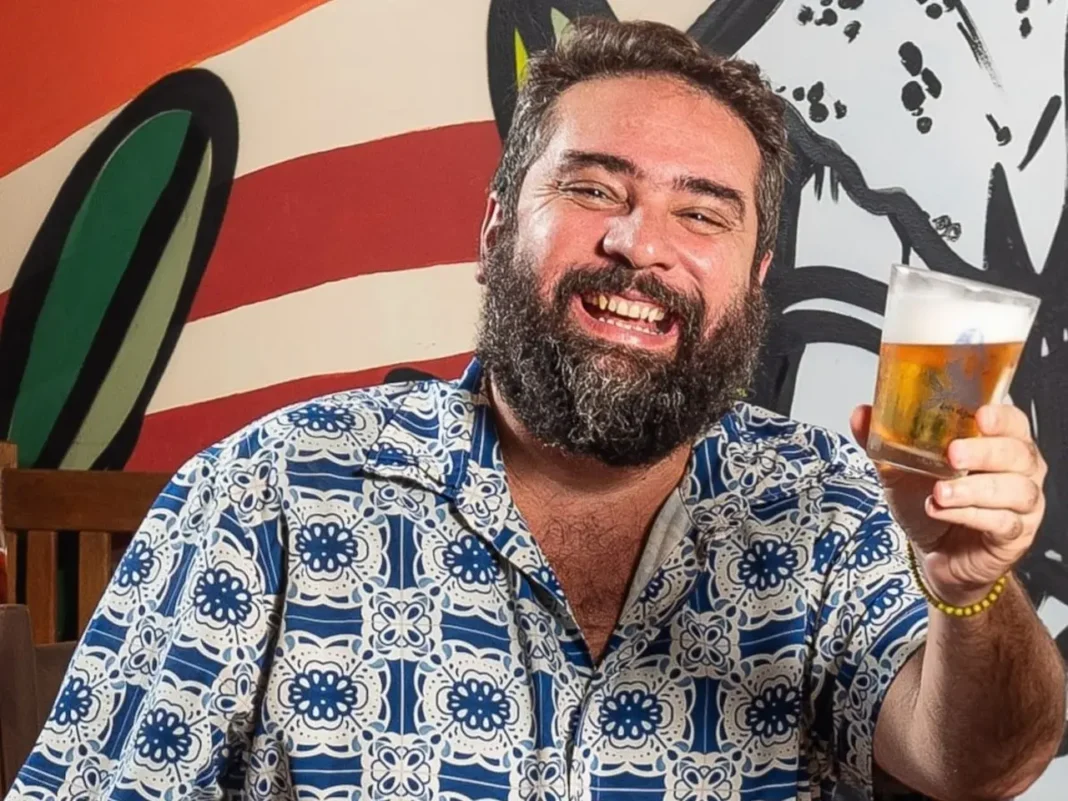

Brazilian chef Raphael Vidal is turning Rio de Janeiro’s bar food into an instrument of cultural diplomacy. On February 7, in Punta del Este, during the Medio y Medio Festival, Vidal will present Carioca Bar Food: Flavors That Tell Stories as part of the third edition of Hola Rio.
Vidal gained prominence by reshaping Rio’s historic port district into a vibrant hub of food, culture, and tourism. Through venues such as Casa Porto and Bafo da Prainha, he reframed the neighborhood bar as a space of memory, ancestry, and urban economy.
Editorial Perspectives
The menu reinterprets Rio bar cuisine using emblematic ingredients—cassava, beans, peppers, seafood, and cured meats—connecting African diasporas, Indigenous roots, and popular traditions. Each dish functions as a narrative device rather than a mere recipe.
In 2026, exporting food is no longer folkloric. It is strategy. By taking the bar abroad, Vidal positions Rio within Latin America’s symbolic economy, where cities compete through culture and experience rather than infrastructure alone.
The project is part of the gastronomic axis of Hola Rio, an internationalization platform backed by Rio de Janeiro’s state cultural authorities, currently touring Argentina, Chile, and Uruguay.
Cultural impact
Rio’s bar food becomes a communicable language, not a local curiosity.
Economic impact
Identity-driven gastronomy strengthens creative economies and experiential tourism.
Geopolitical impact
Food operates as informal diplomacy in Latin America’s soft power arena.
Symbolic impact
Rio speaks outward without caricature.
What to watch
Replication of the format and institutional backing abroad.
- What is Vidal presenting?
A narrative-driven take on Rio bar food. - Where?
Punta del Este, Uruguay. - Who supports the project?
Hola Rio and state cultural bodies. - Are local chefs involved?
Yes, collaborative creations. - Why does it matter now?
Culture is strategic capital in 2026.