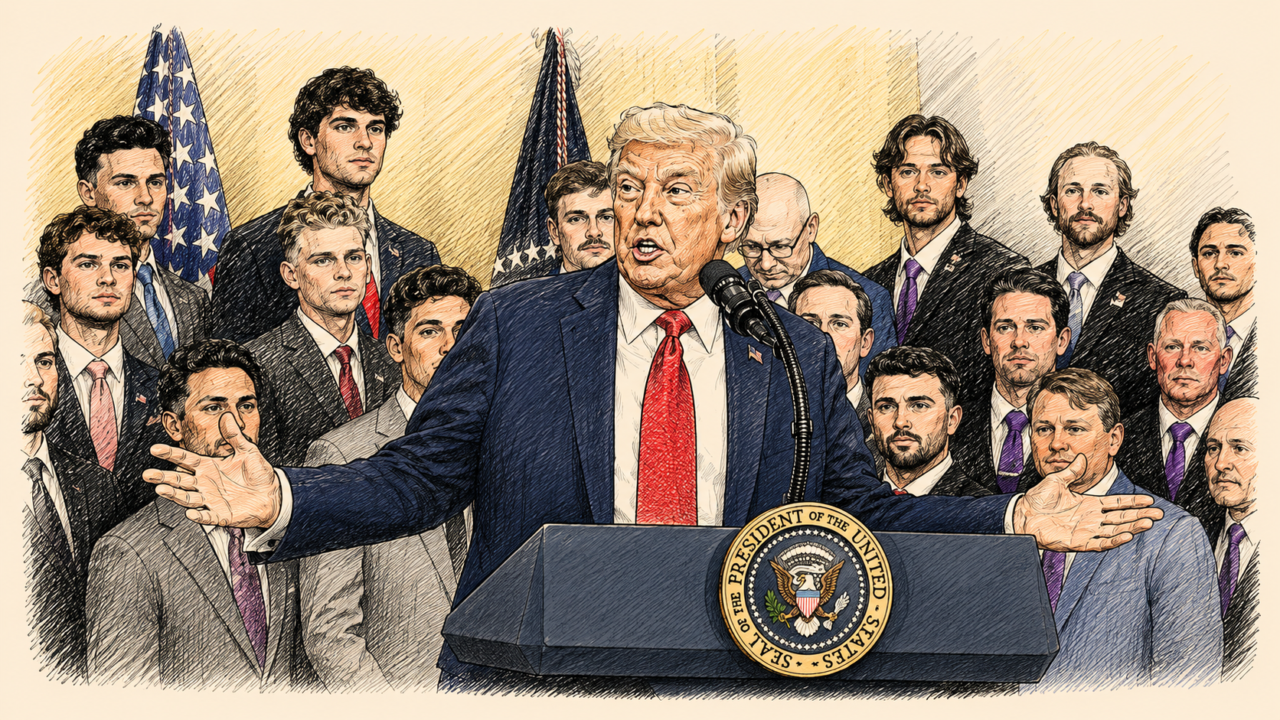
The precious metals market closed Thursday’s session in positive territory, reacting to temporary diplomatic relief between Washington and Tehran. Gold and silver recorded gains after President Donald Trump confirmed the extension of the ceasefire with Iran—a move signaling a breather in the military escalation that had been weighing on global assets.
Despite the initial optimism surrounding the truce, the metals rally lacked the momentum expected by analysts. The primary restraining factor was the ongoing instability in the Strait of Hormuz. Reports of vessel seizures by Iranian forces in the region brought back a sense of uncertainty, preventing safe-haven assets from skyrocketing.
Market strategists describe the current scenario as one of “watchful optimism.” While the risk of immediate direct confrontation has cooled following Trump’s words, oil logistics and maritime security in the Gulf remain friction points that keep metal prices supported at elevated levels.
Geopolitical Impacts on Metals
- Ceasefire: The extension announced by Trump removed the immediate risk premium, favoring short-term stabilization.
- Strait of Hormuz: The seizure of ships serves as a reminder that the truce is fragile, sustaining demand for hedging.
- Investor Profile: There was a moderate shift toward risk assets, but gold remains above key psychological support levels due to persistent volatility.
Commodities Market Dynamics
| Metal | Closing Trend | Primary Driver |
| Gold | Moderately Up | Hedge against Hormuz instability |
| Silver | Up | Tracking gold and industrial demand |
Expectations for the coming days depend directly on the rhetoric coming from Tehran. If Iran signals reciprocity to Trump’s truce, metals could lose their support. Conversely, any new incident in the Strait of Hormuz could quickly nullify the effects of the ceasefire and push gold toward new annual highs.