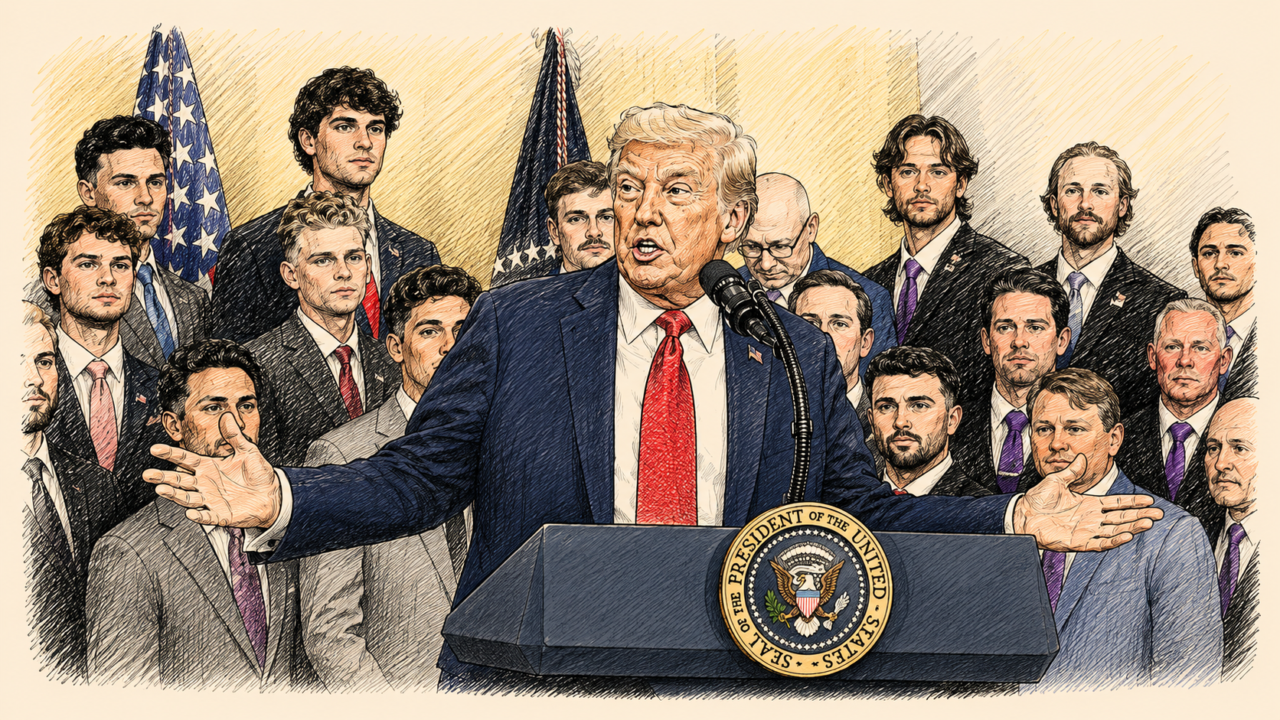
The Oval Office at the White House became, this Thursday, the epicenter of a diplomatic lifeline for Lebanon. President Donald Trump announced the extension of the ceasefire between Israel and Lebanon for an additional 21 days, following a marathon of negotiations with diplomats from both countries. The measure temporarily averts the total collapse of a region already devastated by months of bombardment and high-intensity ground operations.
The agreement occurs in a power vacuum where traditional diplomacy seems to have yielded to Trump’s personalism. The initial ten-day truce was about to expire under the specter of an even deeper Israeli offensive in southern Lebanon. Analysts in Washington view the extension as a “trial balloon” for a more ambitious peace plan, aiming for the definitive neutralization of Iranian influence on Israel’s northern border.
The price of American shielding
Trump’s strategy is not merely humanitarian; it is surgically political. By promising direct support to the Lebanese government for the “containment of Hezbollah,” the United States is attempting to decouple the Lebanese state from the Shiite militia. Diplomatic sources suggest that the financial and military support promised to Beirut is conditioned on the local army’s ability to regain control of areas occupied by the “Party of God.”
- Extension: 3 weeks (21 days).
- Core Objective: Tactical isolation of Hezbollah.
- Protagonists: Donald Trump, Nada Hamadeh (Lebanon), and Yechiel Leiter (Israel).
- Context: Pressure on Iran and control of the Strait of Hormuz.
| Geopolitical Indicator | Pre-Agreement Status | Post-Agreement Impact |
| Conflict Intensity | High (Daily airstrikes) | Low (Armed surveillance) |
| Oil Prices | Volatile/High | Temporary stability |
| Risk of Full Invasion | Imminent | Postponed |
| Iranian Influence | Consolidated in South | Under diplomatic siege |
Tactical Impact and Projection
The risk, however, remains in the details. While Trump celebrates what he calls a “historic moment,” the Israel Defense Forces (IDF) maintain five divisions in position, and Hezbollah is not a formal signatory to the pact. The projection for the next three weeks is one of an extremely fragile “armed peace,” where any border incident could serve as a pretext for ending the truce and returning to the brutality of missile strikes.