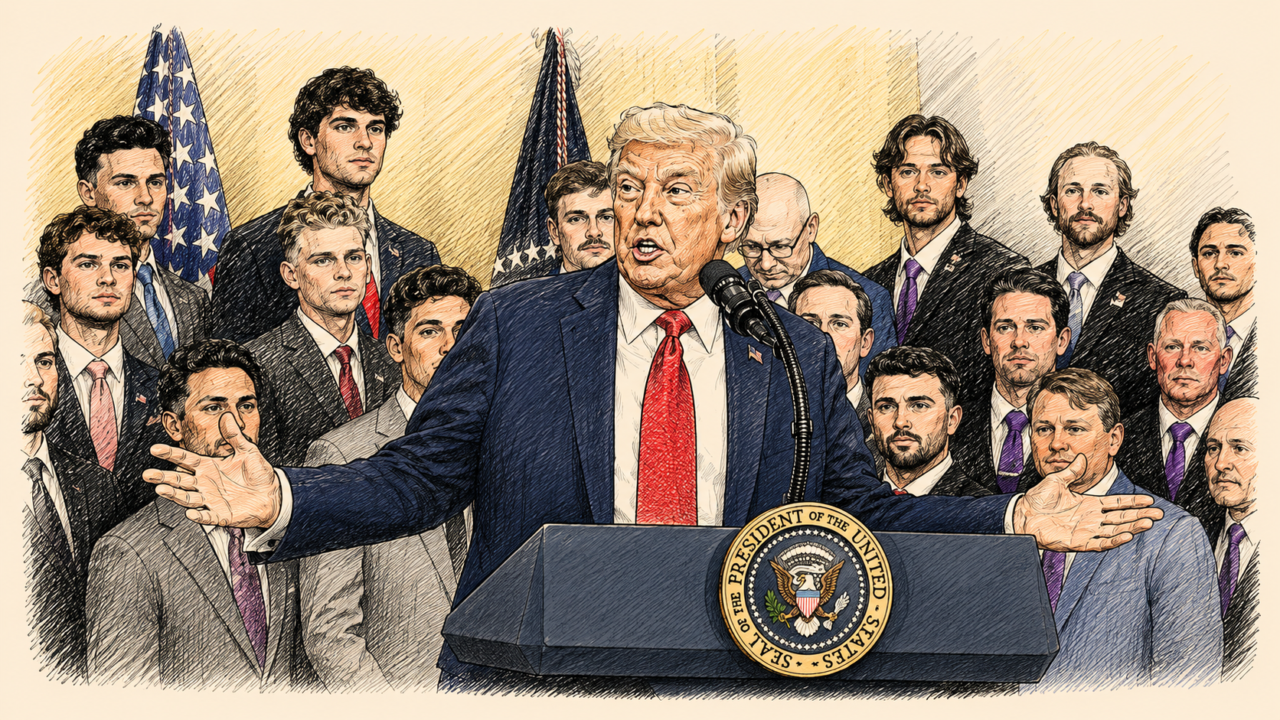
U.S. President Donald Trump confirmed on Tuesday the extension of the ceasefire with the Islamic Republic of Iran. The announcement was made through his platform, Truth Social, signaling an unexpected reprieve in Middle Eastern tensions.
The decision momentarily halts the expectation of an imminent offensive that had loomed over the region since the beginning of the month. The White House indicated that the suspension of hostilities does not have a strict expiration date.
The American administration conditioned the maintenance of peace on the presentation of a formal proposal and the conclusion of negotiation rounds. This move suggests a tactical shift by Washington in favor of pressure diplomacy.
Islamabad Diplomacy
The key element in this development was the direct intervention of the Pakistani government. Prime Minister Shehbaz Sharif and General Asim Munir acted as the architects of the dialogue.
Pakistan has consolidated its position as a necessary bridge between the West and Tehran. Munir’s personal request to Trump appears to have been the decisive factor for the White House to scale back military preparations.
Diplomatic sources indicate that Islamabad offered security guarantees that softened Trump’s rhetoric. Pakistani mediation is seen as an effort to prevent the conflict from spilling over its own borders.
Crisis and Negotiation Timeline
- January 2026: Escalation of naval incidents in the Persian Gulf.
- February 2026: Establishment of the first temporary ceasefire.
- March 2026: Deadlock in Vienna talks regarding the nuclear program.
- April 2026: Pakistan intervention and extension announced by Trump.
Backstage and Power Balance
Behind the scenes at the Pentagon, the extension is read with caution by high-ranking generals. There is a clear divide between those advocating for “maximum pressure” and those fearing the cost of a total war.
Iran, for its part, maintains official silence but signals through informal channels that it accepts the negotiating table. The Iranian economy, under severe sanctions, urgently needs stabilization in oil prices.
Trump uses Truth Social not just to inform, but to dictate the pace of the global narrative. By attributing credit to Pakistan, the American president shares the responsibility for the success or failure of the peace process.
Impact on Global Markets
The reaction of financial markets was immediate following the president’s post. Brent crude oil prices showed a 4% drop in the first hours of trading in London.
International investors see the move as a reduction in the risk of disruption in the Strait of Hormuz. Temporary stability favors Asian stock markets, which rely heavily on the energy flow from the region.
Regional Stability Metrics
| Indicator | Pre-Extension Status | Current Status (April 2026) |
| Oil Price (Brent) | US$ 98.00 | US$ 89.00 |
| Risk of Open Conflict | Critical | Moderate |
| Military Readiness (US) | Maximum Alert | Active Vigilance |
| Diplomatic Mediation | Stagnant | Active (Via Pakistan) |
Perspectives for the Outcome
The future of this truce now depends on the technical capacity of negotiators to format a lasting agreement. The State Department is working against the clock to present terms that satisfy Trump’s domestic base.
Intelligence experts warn that any isolated incident could break the fragile barrier established. General Munir’s presence in the process lends military weight to the diplomatic guarantees given to the U.S.
If discussions do not advance in the next month, internal political pressure could force Trump to resume a belligerent stance. For now, the world watches the unfolding of one of the most complex geopolitical maneuvers of the decade.