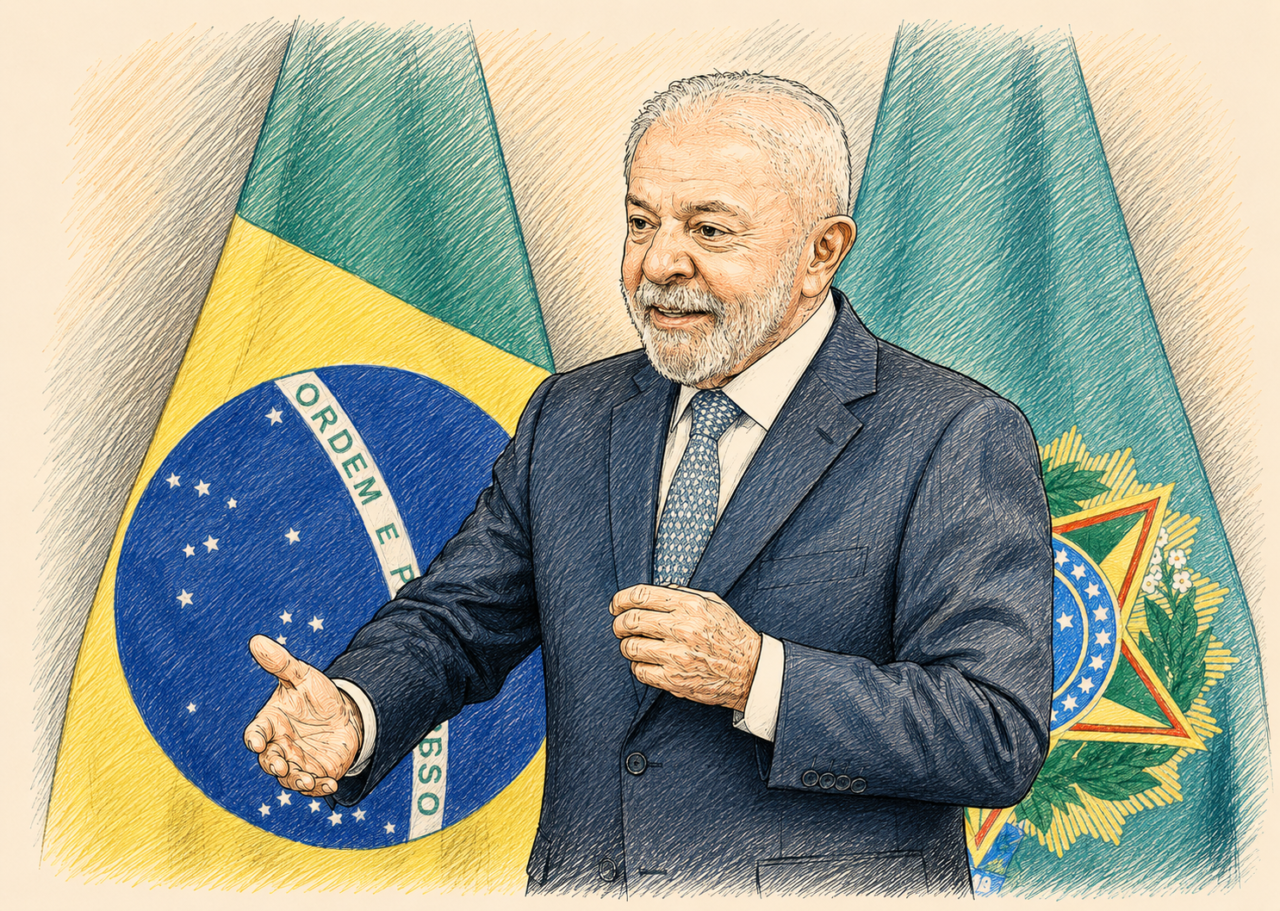
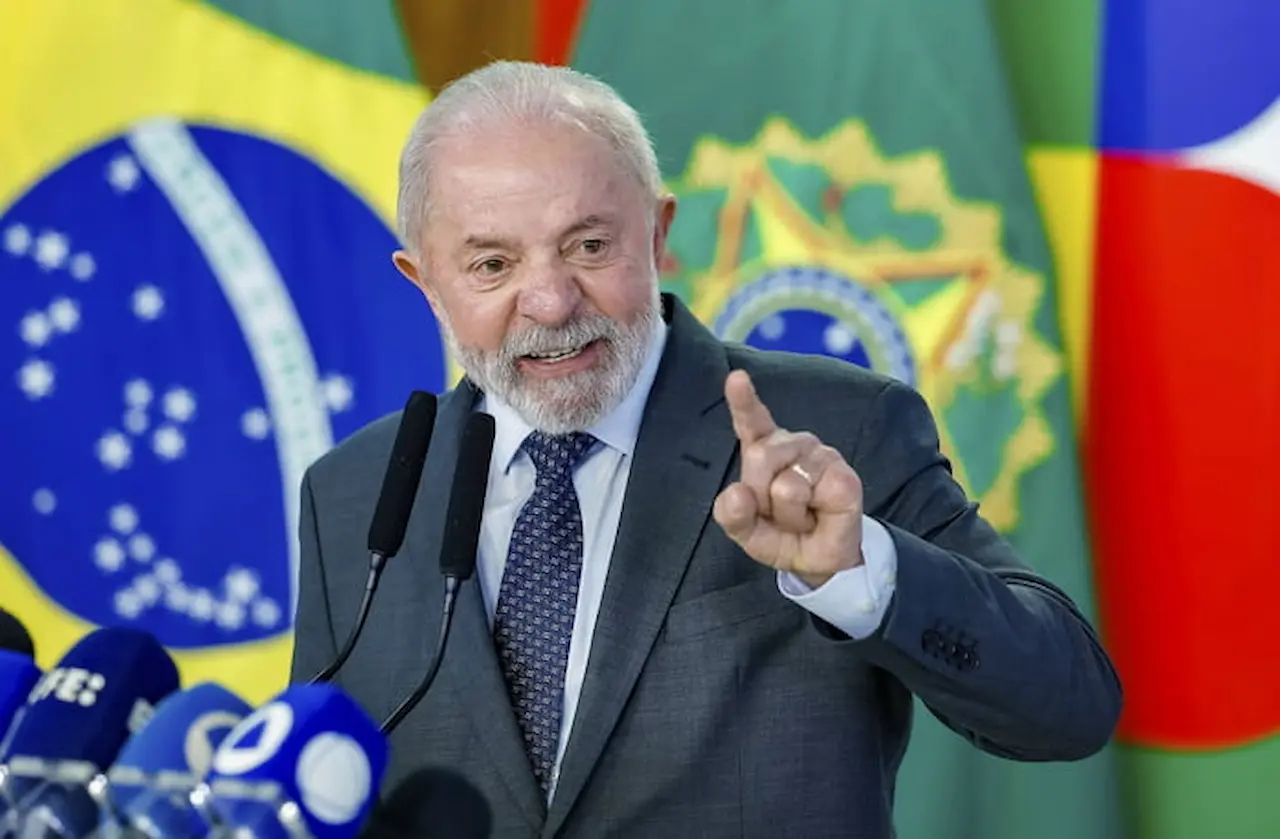
President Luiz Inácio Lula da Silva significantly escalated his diplomatic tone this Wednesday, June 3. During a ministerial meeting at the Planalto Palace, the Chief Executive repudiated the new tariff package imposed by the United States, classifying the treatment of Brazil as a disregard for the nation’s history and sovereignty.
The most intense moment of the clash was the response to US Secretary of State Marco Rubio. Addressing Rubio’s recent criticisms of the Brazilian government, Lula was emphatic: This Marco Rubio does not like Latin America, let alone Brazil; he is a frustrated Latin American.
The anatomy of the trade impasse
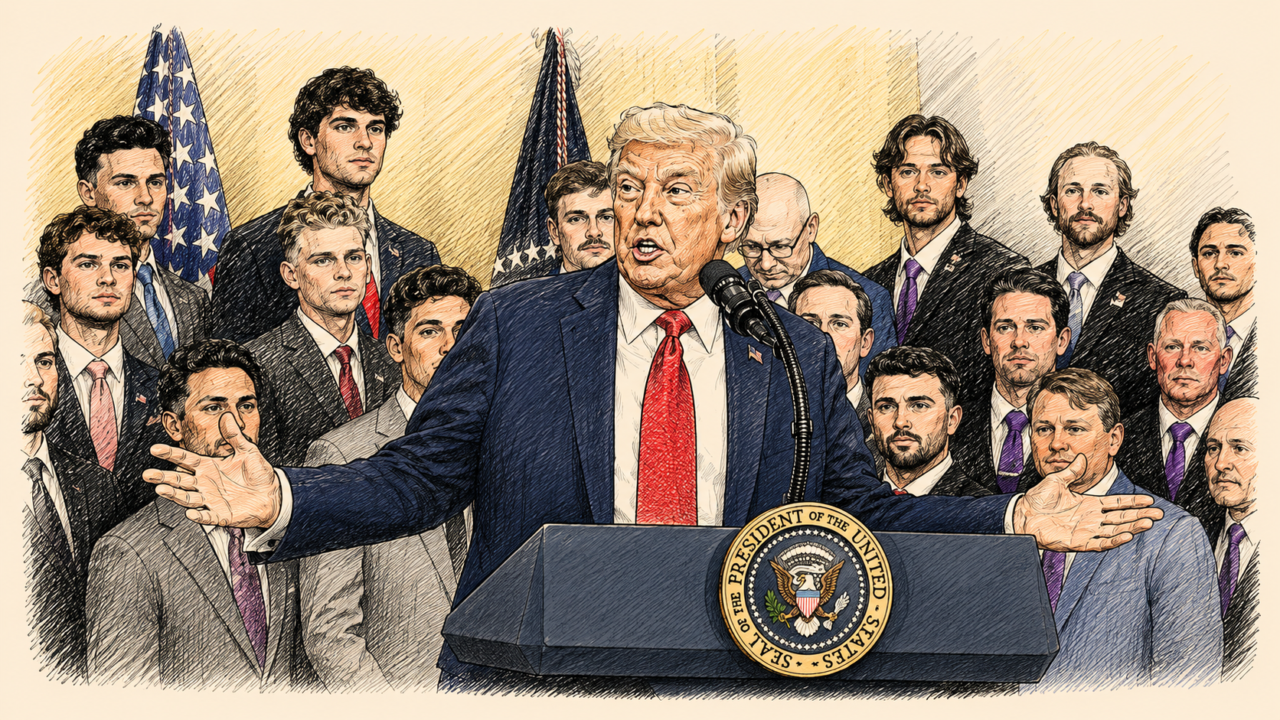
The Planalto’s reaction was triggered by the move from the Office of the United States Trade Representative (USTR) to impose a 25% tariff on Brazilian products, plus additional 12.5% duties based on allegations of forced labor. The decision, rooted in Section 301 of US trade law, was implemented without prior notice.
The President stated he was surprised by the measure, highlighting that the government had maintained an open dialogue channel with Donald Trump’s administration. For Lula, Washington’s strategy ignores prior negotiation efforts and imposes a dynamic of unilateral confrontation.
The pillars of diplomatic resistance
Faced with the crisis, the Brazilian government has outlined a clear path to address the situation:
- Sending a formal letter to Donald Trump seeking the immediate reversal of the tariffs.
- Publicly denouncing domestic interests attempting to leverage the Brazilian electoral dispute.
- Upholding national sovereignty as the core pillar of foreign policy, rejecting a stance of subordination.
Lula also took the opportunity to reference historical context. By recalling US support for the 1964 military coup, the President underscored that the current generation is aware of the trajectory of bilateral relations and will not accept setbacks to Brazil’s institutional autonomy.
The cost of rhetoric and economic impact
The friction between the Planalto and the more conservative wing of the Maga movement creates a scenario of uncertainty for Brazil’s productive sector. Lula’s wager is that Brazil possesses the historical and economic weight to withstand pressures that ignore mutual respect.
The material consequences of this escalation will be measured by the effectiveness of the diplomatic offensive in the coming days. As Brazil seeks to avoid a protracted conflict, this stance of direct confrontation marks a new phase in foreign policy management during an election year that promises to be decisive.