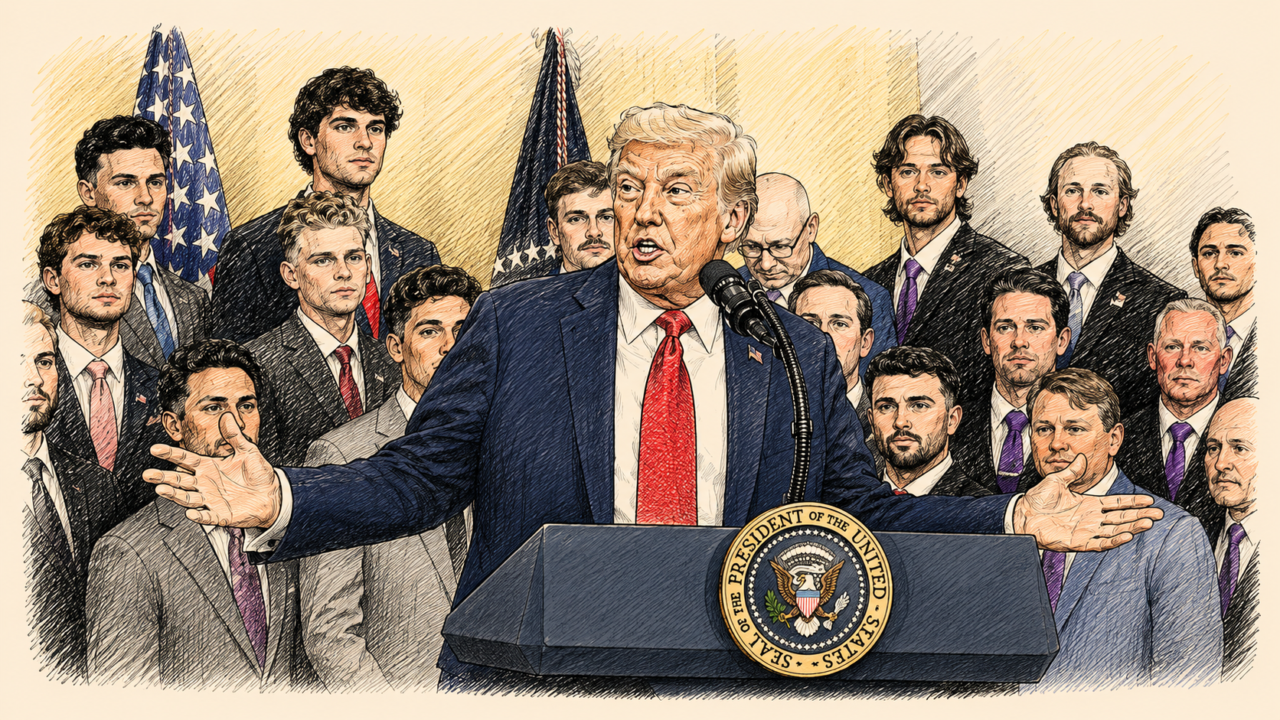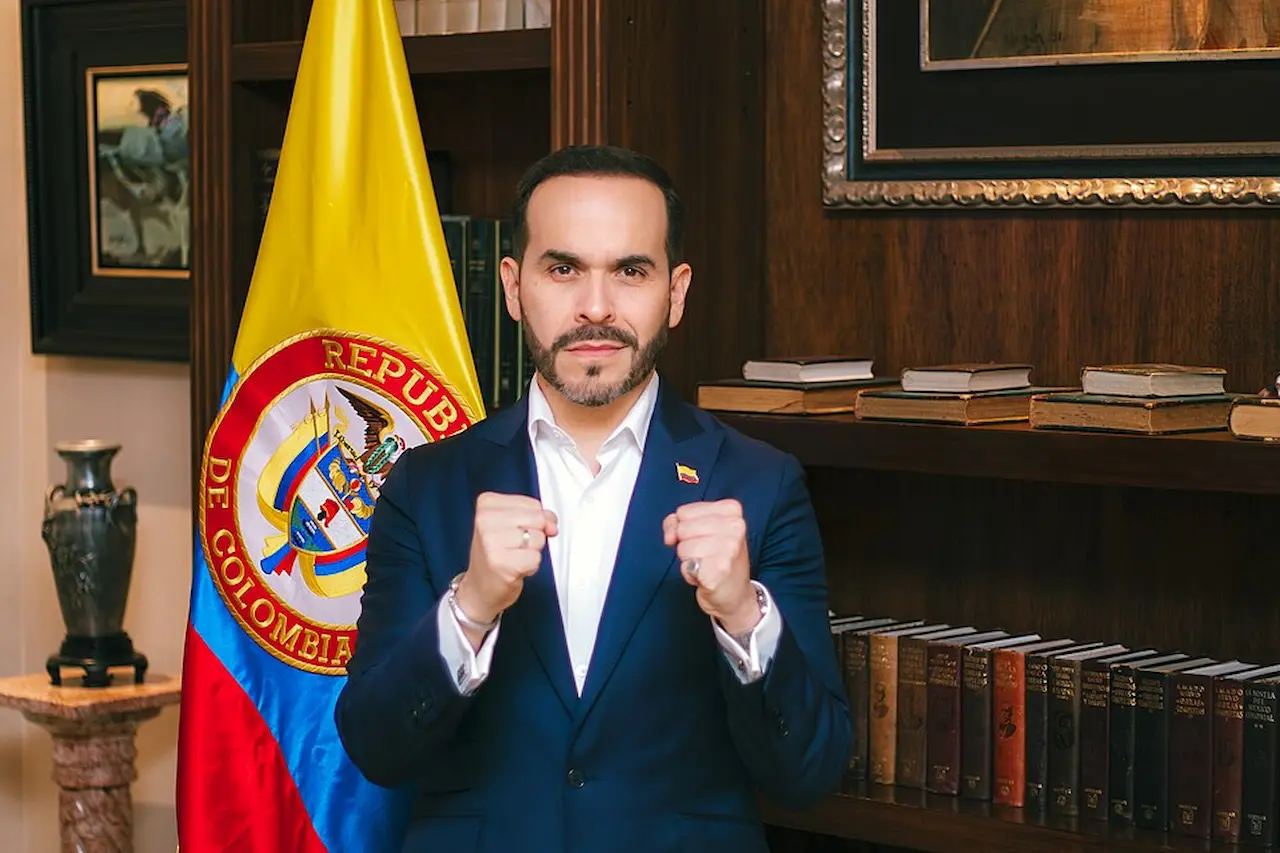

The Trump regime officially announced, this Tuesday, its unqualified support for Abelardo de la Espriella’s candidacy in the second round of Colombia’s presidential election. Washington’s move alters the regional geopolitical landscape, positioning the White House explicitly against Senator Iván Cepeda, who is backed by President Gustavo Petro.
In an official statement, the Trump regime classified the Colombian candidate as a leader aligned with the strategic interests of the United States. The declaration comes at a time of heightened electoral tension, marked by far-right mobilization and accusations of foreign interference in the Colombian democratic process.
Convergence of reactionary agendas
The support from the Trump regime is not merely a diplomatic gesture; it is the export of a consolidated political playbook. De la Espriella, who led the first round with 43.74% of the vote, built his campaign on pillars that echo global conservative strategy:
- Militarization of public security and the adoption of exceptional measures.
- Anti-establishment discourse aimed at traditional democratic institutions.
- Radical opposition to the left and priority economic alignment with Washington.
The elective affinity between the two figures is clear. The Colombian candidate utilizes Trump’s endorsement as a seal of authority, aiming to attract the conservative electorate with the promise of a punitive approach to public order and total alignment with American security policies.
The risk of foreign interference
The White House’s statement was received by the ruling camp as an affront to Colombian sovereignty. President Gustavo Petro denounced the interference by foreign powers as a factor destabilizing the popular will, especially given an electoral process already strained by political violence.
Washington’s strategy, however, ignores local tensions. By declaring full support, the Trump regime signals that Colombia is treated as an extension of its own security policy, where maintaining right-wing allies takes precedence over preserving regional democratic neutrality.
Consequences of bloc politics
The outcome on June 21st will no longer be a purely internal choice for the Colombian people. With Trump’s explicit endorsement, the race has transformed into a test of the efficacy of far-right propaganda backed by external influence.
The cynicism of American diplomacy lies in its tactics: what is presented as support for freedom is, in practice, strategic backing for a project that flirts with authoritarianism. Colombia observes, under pressure, the consolidation of an era where national self-determination is subordinated to the interests of the Trump regime.