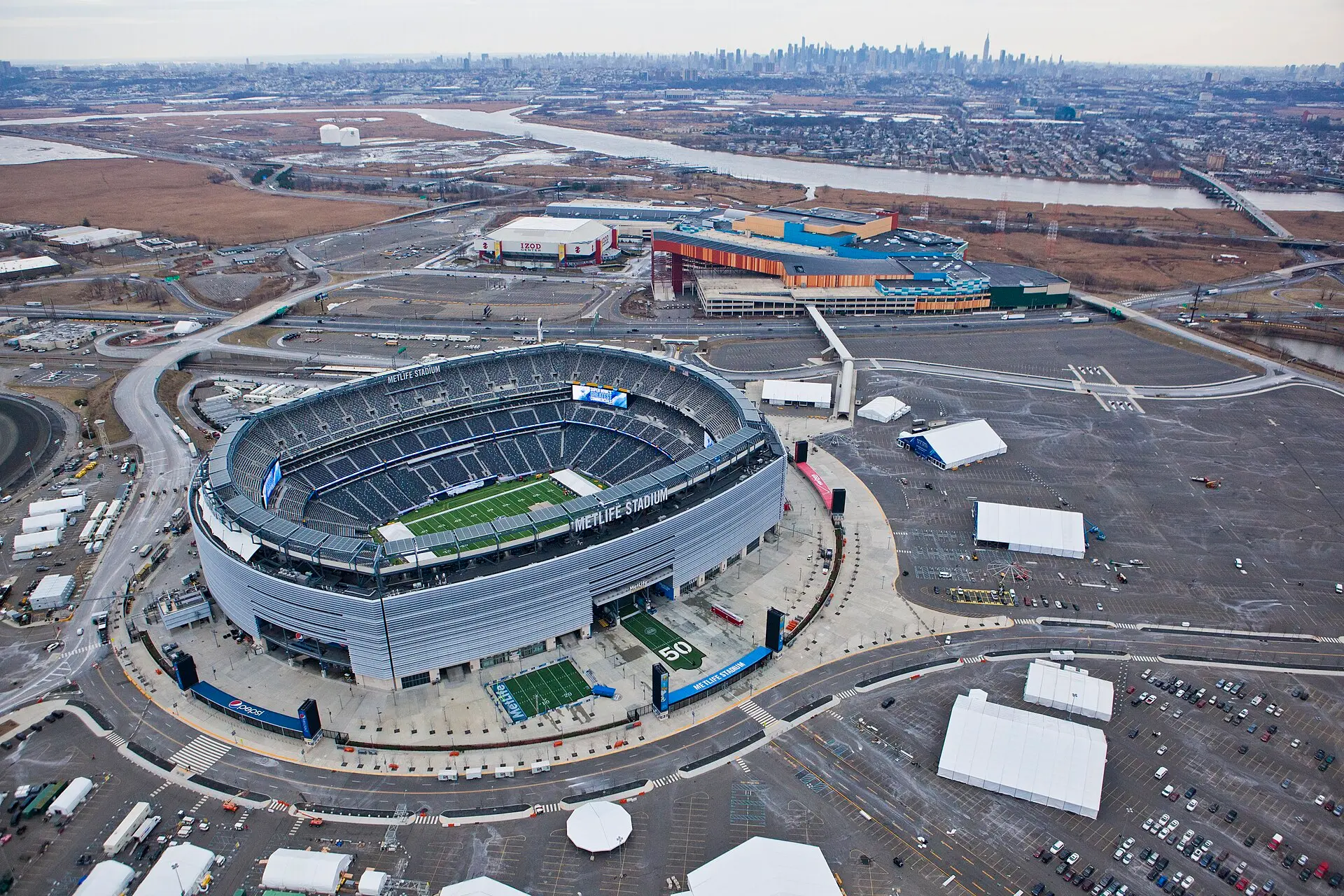

The start of the 2026 World Cup, set for next week in the United States, faces an unprecedented climate challenge. A new study by the World Weather Attribution initiative warns that the probability of dangerous heatwaves has doubled since the 1994 tournament, turning the infrastructure of host cities into a field of risk for players and fans alike.
The technical analysis uses the Wet Bulb Globe Temperature (WBGT) index, which measures the lethal combination of temperature, humidity, wind, and solar radiation. Researchers argue that heat stress will be a constant concern, especially in stadiums that lack adequate cooling systems to handle projected temperatures.
The human cost of climate neglect
The data reveals an alarming projection for the physical integrity of those involved. The tournament not only ignored the need for calendar adjustments—as was done in Qatar in 2022—but also opted to keep matches during peak heat hours in historically vulnerable regions.
- 26 matches are expected to reach or exceed the 26-degree WBGT threshold.
- Five matches are projected to surpass 28 degrees WBGT, considered unsafe for athletic activity.
- Miami, Philadelphia, Dallas, and New York emerge as the highest-risk host cities.
FIFA’s palliative response and the role of Big Tech
FIFA has announced palliative measures, such as mandatory hydration breaks and an increase in allowed substitutions. However, these are damage-control actions that fail to address the structural cause: the choice of a calendar and locations that prioritize broadcast profits and marketing over human health.
This negligence reflects the difficulty of the U.S. regime in prioritizing social welfare over spectacle. The host city infrastructure, often optimized solely for crowd flow, fails to protect those directly exposed to the elements. The provision of climate-controlled benches for substitutes, while players on the field remain exposed, highlights the disparity between the football elite and the mass of fans.
The urgency of a structural transition
Simon Stiell, Executive Secretary of the UN Climate Change agency, emphasized that the situation requires an acceleration in the global energy transition. The 2026 World Cup serves as a material reminder that the rollback of climate policies, encouraged by the economic models of major powers, directly impacts the most mundane spheres of global culture.
The lack of precaution in this tournament exposes an unsustainable contradiction: the global culture of football—a passion that moves billions—being subjugated by inaction in the face of a climate crisis that is ultimately fueled by the infinite-growth models of the event’s own sponsors and organizers.