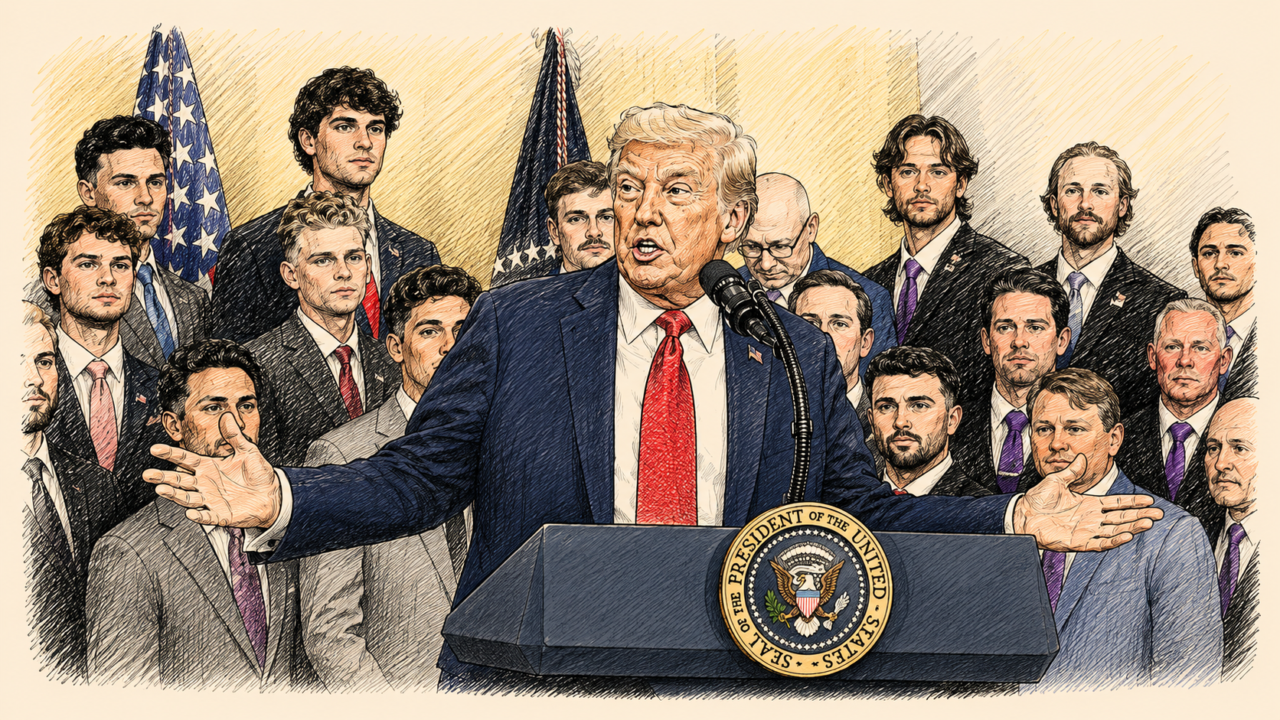
In a move that has sent shockwaves through Western diplomacy, U.S. President Donald Trump took to his social media platform, Truth Social, to share an image depicting Venezuela as the 51st U.S. state. The post, shared this Tuesday, comes just 24 hours after the Republican leader first floated the idea of annexing the Latin American nation.
Trump’s rhetoric took a more pragmatic turn during comments made to Fox News. According to reports, the President stated he is “seriously considering” the proposal. The driving force behind this geopolitical interest appears to be beneath the surface: Trump explicitly cited Venezuela’s vast oil reserves as a strategic motivation for territorial integration.
Reaction in Caracas
The response from the Venezuelan government was swift. Interim President Delcy Rodríguez rejected any possibility of annexation, labeling the idea a direct affront to the nation. In an official statement, Rodríguez reaffirmed that Venezuela would continue to defend its sovereignty and self-determination against Washington’s intentions.
A History of Territorial Expansion
This is not the first time Donald Trump has flirted with expanding American borders. Throughout his political career, he has made similar statements regarding other nations and territories:
- Greenland: During his first term, Trump attempted to negotiate the purchase of the territory from Denmark.
- Canada and Cuba: Both have also been the subject of expansionist rhetoric or calls for direct control in previous speeches.
| Point of Tension | Strategic Details |
| Platform | Truth Social (Trump’s official social media). |
| Cited Motivation | Energy security and oil reserves. |
| Legal Status | Rejected by the Venezuelan interim government. |
| Context | Reiteration of U.S. expansionist posturing. |
This episode significantly raises the temperature in regional geopolitics, challenging diplomatic relations between the White House and its southern neighbors during a period of intense economic and political instability in Venezuela.