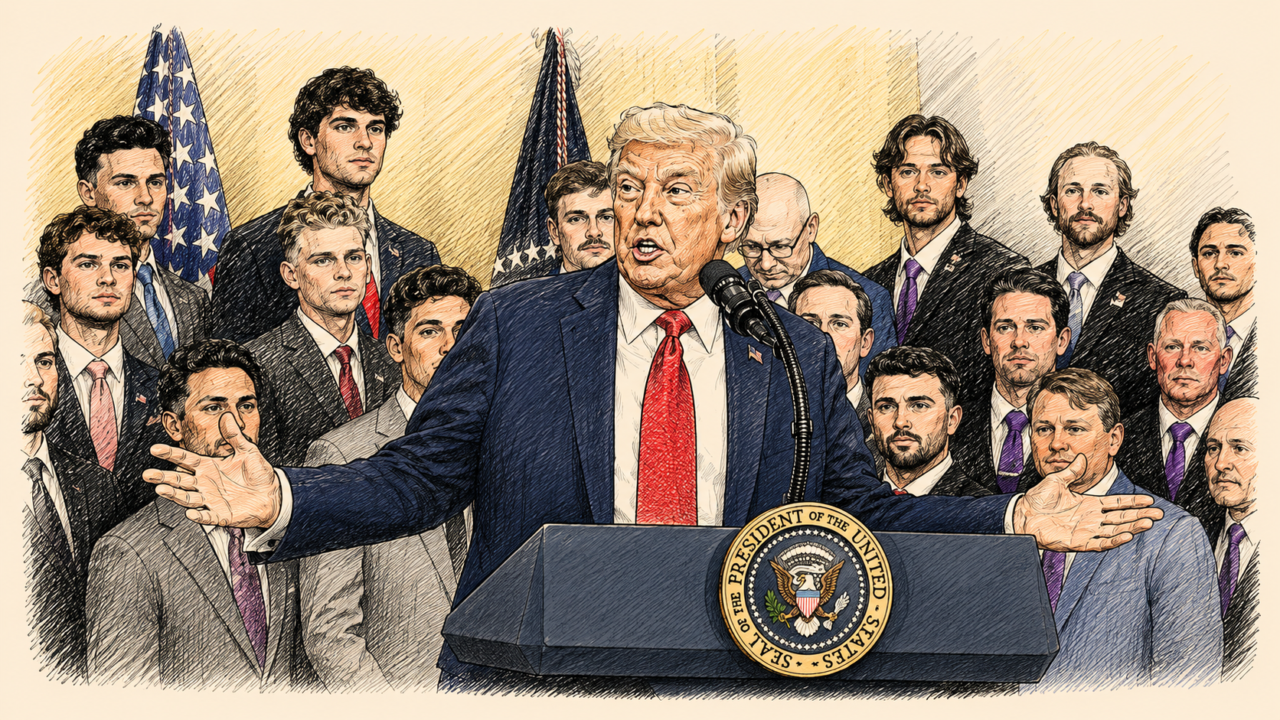


The government of Taiwan officially declared that its acquisition of defense systems and weaponry from the United States strictly adheres to current U.S. legislation. This institutional response from Taipei follows recent remarks by Donald Trump, who stated he has not yet made a definitive decision regarding the continuity of military sales to the island should he return to the White House.
According to validated reports by portal Poder360, presidential spokesperson Karen Kuo emphasized that China‘s escalating military posture has become the primary source of geopolitical instability in the Indo-Pacific. For Taipei, maintaining these defense contracts remains the cornerstone for securing the island’s sovereignty and regional peace.
Strategic deterrence under Washington’s legal framework
Security cooperation agreements do not rely solely on seasonal partisan shifts in Washington. The legal architecture underpinning these billion-dollar transfers is codified in the Taiwan Relations Act, a federal statute that mandates the U.S. to provide Taiwan with the means for self-defense to counter Beijing’s expansionism.
The billions of dollars invested in defensive technology over recent years serve as a critical containment barrier in the Taiwan Strait. The steady supply of armored vehicles, advanced radar systems, and anti-aircraft missiles is interpreted by military intelligence experts as an active deterrent designed to discourage any amphibious invasion attempts by the Chinese military.
Impact of uncertainty across the Indo-Pacific chessboard
The hesitation signaled by Trump triggers fluctuations in defense markets and heightens diplomatic friction. Analysts point out that questioning bilateral agreements weakens the perception of absolute Western backing for Taiwan, which could encourage Chinese naval maneuvers around the strait’s median line.
The primary ripple effects of this diplomatic friction include:
- Potential volatility in the global supply chain for high-tech semiconductor microchips.
- Urgent need for Taipei to adjust its budget to accelerate domestic defense technology development.
- Domestic pressure in Washington for the Pentagon to reaffirm long-term contractual commitments.
Historical transactions and bilateral guarantees
The sheer volume of investments and Western logistical support demonstrates that this strategic partnership has deep roots in the geopolitical planning of both nations:
| Recent Period | Weaponry Category | Defense Objective | Operation Status |
| Past 5 Years | Patriot and Harpoon Missiles | Coastal and air defense | In delivery phase |
| 2024-2025 | Upgraded F-16V Fighters | Airspace sovereignty | Active contracts |
| 2026 Planning | Tactical Communication Systems | Intelligence and countermeasures | Under technical review |
The immediate horizon will demand surgical diplomacy from Taiwan to navigate between the current U.S. administration and opposition campaign pledges. Taipei’s official response signals that the island intends to hold Washington accountable to its institutional guarantees, regardless of who occupies the Oval Office in the coming years.