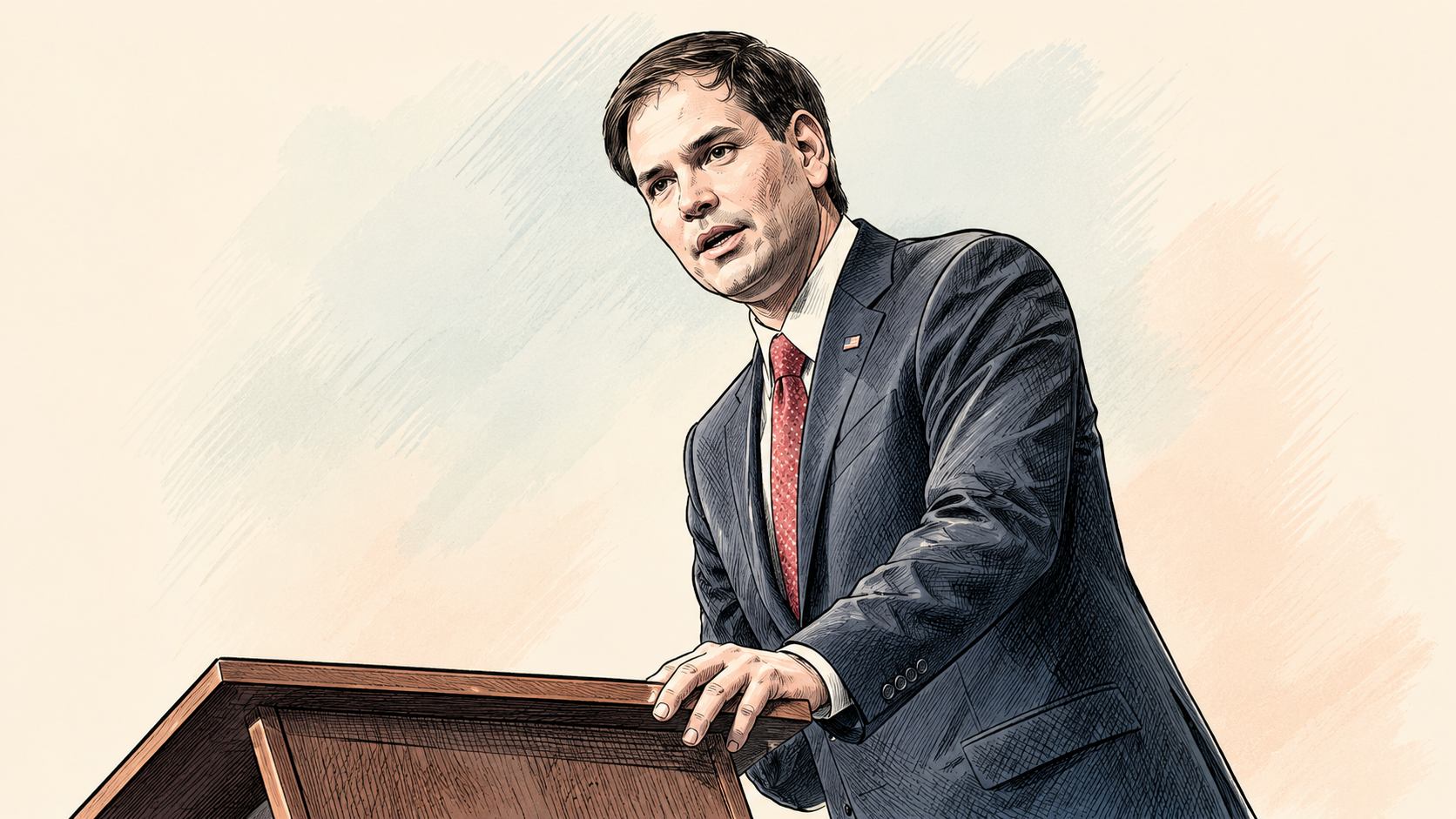

The United States Department of State launched on Tuesday a new round of technical talks mediated by Washington to structure diplomatic efforts between Israel and Lebanon. US Secretary of State Marco Rubio stated that Iran is actively attempting to interfere in the negotiations to claim credit for an eventual agreement in the region.
The diplomatic offensive by the White House seeks to formally separate territorial and security disputes from the geopolitical dynamics involving Tehran. This movement attempts to deflate the narrative of Persian guardianship over the sovereign decisions of Beirut at this dialogue table.
The geopolitics of strategic isolation
Washington strategy relies on the exclusive recognition of the government of Lebanon as the sole legitimate interlocutor for repacting borders and ceasing hostilities. Marco Rubio emphasized the necessity of bypassing Hezbollah as a valid diplomatic actor in this process.
The repositioning of pieces on the Middle East chessboard reflects a historical attempt to suffocate the networks of influence consolidated by Iran over the past decades. Isolating Tehran patronage in the technical talks serves as a mechanism to reconfigure the regional balance of power.
The reshaping of institutional forces
The success of the American plan depends on a complex equation that is difficult to execute practically in the short term. The main axes of the doctrine presented in this new round of talks involve deep structural factors.
- Strengthening the Armed Forces of Lebanon as the sole guarantee of national security.
- Restructuring the financial state agencies of Beirut to reduce external dependence.
- Insulating financial channels from parallel funding paths that bypass the State.
- Consolidating the central government against pressures from militias and insurgent groups.
The machinery of tutelary sovereignty
The major challenge lies in the chronic fragility of Lebanese institutions, which operate under severe economic crisis and permanent political gridlock. Strengthening the central government without resolving internal confessional divisions is the Gordian knot that Washington attempts to untie by diplomatic decree.
By pointing out the alleged Iranian attempt to sabotage or claim the laurels of the agreement, American diplomacy builds a rhetorical shield. The goal is to protect the process from eventual disruptions and transfer the burden of failure directly to Tehran axis.
The material reality of borders shows that diplomatic agreements rarely survive when they ignore the actual actors holding territorial control. The attempt to create a sanitary cordon around Iranian influence tests the limits of the economic and military coercive power of the West.
The outcome of this round will define whether Lebanon can emerge as a fully sovereign State or if it will continue to operate as the main stage for global proxy wars. The pockets of the Lebanese citizens and the stability of regional infrastructure depend on the material viability of these cabinet decisions.