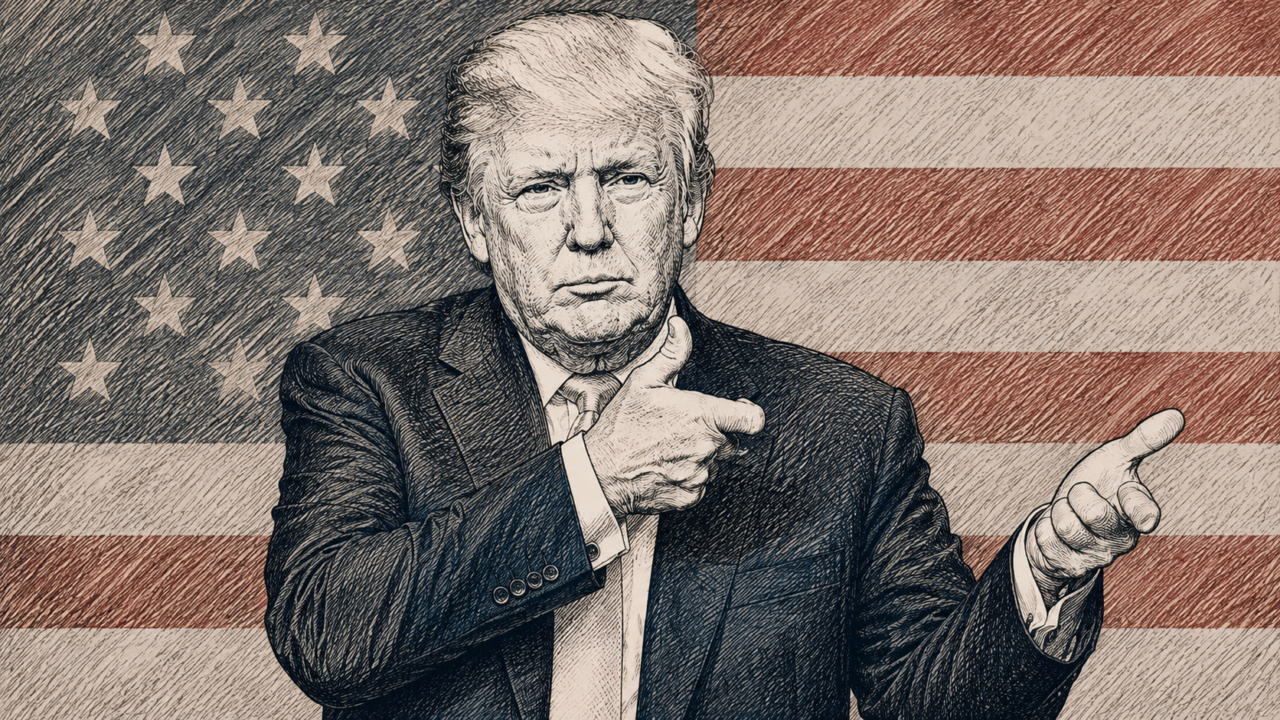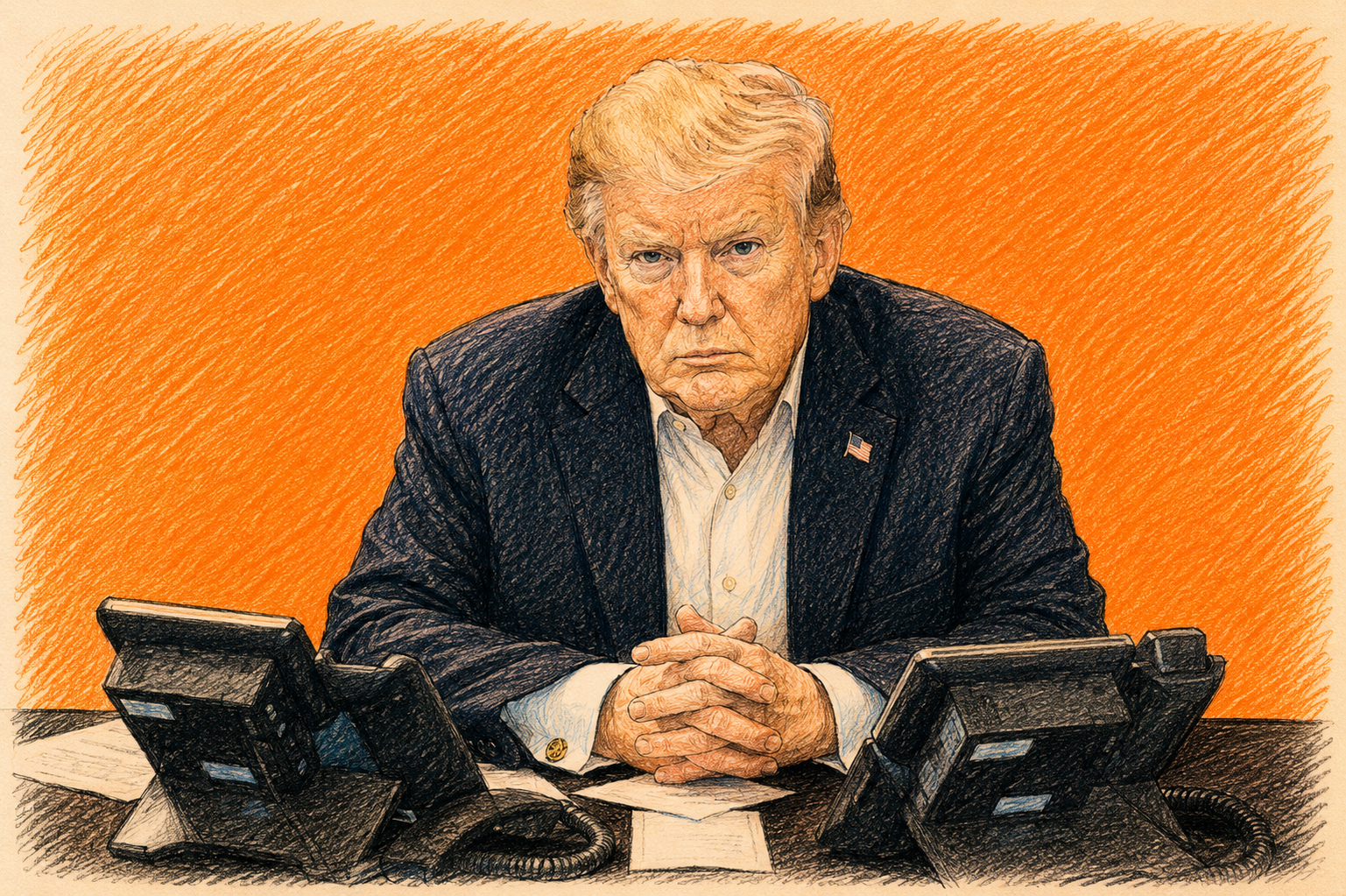

United States President Donald Trump has expressed strong opposition to a recent decision by the House of Representatives, which passed a resolution aimed at ending military hostilities against Iran. The vote, concluding with 215 in favor and 208 against, reflects a deep political divide within the American regime.
The rhetoric of institutional confrontation
For the head of the Executive branch, the parliamentary move constituted an unpatriotic act. Trump claimed that the legislative intervention occurred while diplomatic efforts to resolve the conflict were underway, characterizing the congressional action as a direct interference in his prerogative to conduct foreign policy.
The friction between the branches reveals the complexity of the governance structure in the U.S., where the Monroe Doctrine underpins global power projection and the discretionary use of force. Parliamentary contestation, while limited, exposes the tension between presidential authority and the constitutional checks and balances demanded by Democrats and a republican insurgency.
Data from the legislative process
The approval of the text included support from a minority of lawmakers from Trump’s own party, proving that the dissent is not exclusively partisan, but structural.
- Votes in favor of the measure: 215
- Votes against the measure: 208
- Republican dissent: 4 lawmakers joined the opposition
Democratic criticism focuses on the accusation that the Executive branch violated the Constitution by authorizing military incursions without prior approval from Congress. This legal-political clash underscores distrust regarding the power-projection methods adopted by the current U.S. regime.
Material consequences and the diplomatic horizon
The long-term implications of this institutional dispute transcend electoral rhetoric. The weakening of internal unity before global actors such as Iran may reduce the United States’ diplomatic maneuverability, while simultaneously exposing the contradictions of using military power as a State tool.
The dismantling of these checks and balances is a characteristic observed in regimes that prioritize unilateral hegemony over systemic stability. The conflict between the Capitol and the White House is, in essence, a reflection of a crisis of authority over the limits of foreign intervention, a dilemma that continues to define the U.S. geopolitical stance on the international stage.