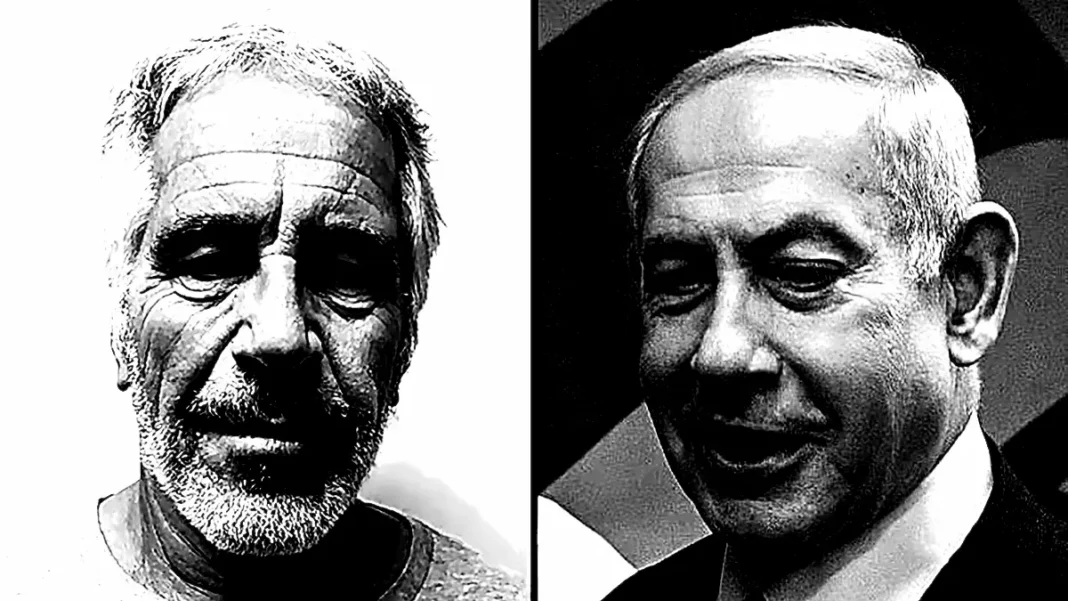

At the peak of the Arab Spring in July 2011, billionaire Jeffrey Epstein and a network of international intelligence operatives coordinated a plot to seize frozen Libyan sovereign assets held in Western institutions. Newly released documents from the U.S. Department of Justice (DoJ) detail how Epstein sought to capitalize on Muammar Gaddafi’s downfall, leveraging high-level contacts within MI6 and Mossad to identify and “recover” billions of dollars under the guise of reconstruction legal services.
The Architecture of Sovereign Looting
The leak of over 3 million pages of documents exposes a clandestine facet of Epstein’s empire: his role as a facilitator for intelligence operations and asset arbitrage in conflict zones. In 2011, with Libya under UN Resolution 1973 sanctions, approximately $80 billion remained scattered and inaccessible to the Tripoli government. Epstein saw an opportunity for predatory arbitrage rather than a humanitarian crisis. In correspondence dated July of that year, associates described Libyan assets as “stolen treasures” that could generate billions in success fees if they secured legal custody of their recovery.
Editorial Perspectives
The Intelligence-Asset Nexus
What elevates this case beyond ordinary financial fraud is the explicit complicity of former elite British (MI6) and Israeli (Mossad) intelligence officials. The dossier reveals that these agents expressed immediate willingness to collaborate in tracking the funds. This alignment suggests that Epstein’s network functioned as a “shadow intelligence agency,” where state secrets were traded for institutional looting operations. The involvement of these agents validates the thesis that Epstein was not merely a lone sexual predator but an operational asset embedded within the deepest gears of financial geopolitics.
Libya as a Laboratory for Exploitation
While the UN Security Council promised that assets would be returned to the Libyan people post-conflict, the behind-the-scenes reality was a digital gold rush. The documents point to discussions with international law firms to operate on a “contingency fee” basis. The plan was simple: exploit political fragmentation to present themselves as the only entities capable of locating diverted funds, ensuring a colossal percentage of the recovered amount. For Epstein, oil-rich Libya was the ideal setting for a “reconstruction” operation that actually targeted the transfer of wealth to private pockets and spy agencies.
Political Implications and UN Failure
The failure of international institutions to protect Libya’s sovereign heritage fueled Epstein’s network. To this day, the Government of National Unity in Tripoli struggles against Western lawsuits attempting to seize portions of these funds as compensation for interrupted investments. Epstein’s exposed plan reveals that Western reluctance to unfreeze these funds may have more sinister roots, linked to interest groups operating in the shadows of official diplomacy.
The End of Privilege and the 2019 Legacy
The release of this final batch of documents comes under heavy pressure from the U.S. Congress, demanding full transparency on who protected Epstein for decades. Although the billionaire died in 2019 under debated circumstances, the new files reopen wounds regarding his ties to global power players. The scandal now transcends private morality to impact national security and the integrity of the global financial system.