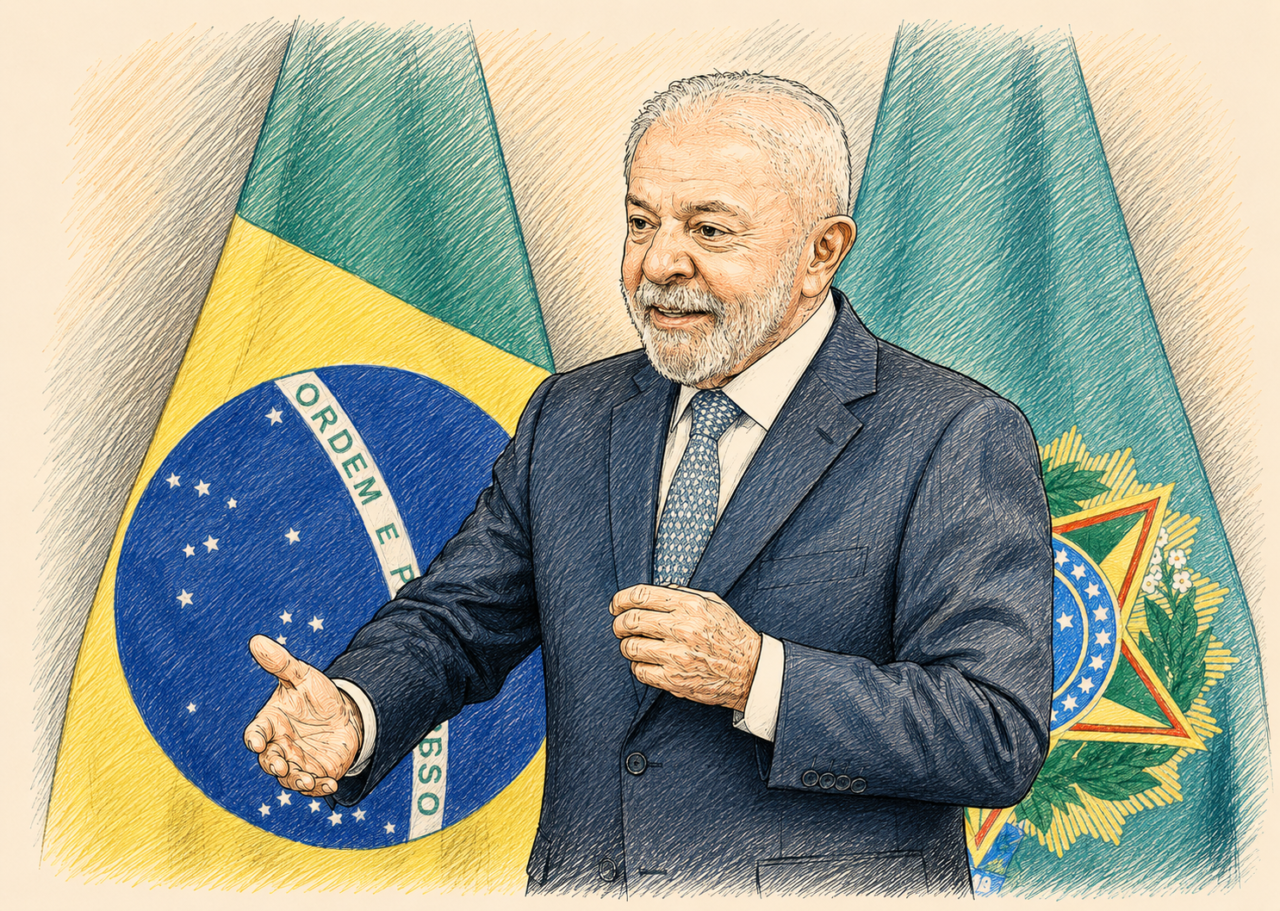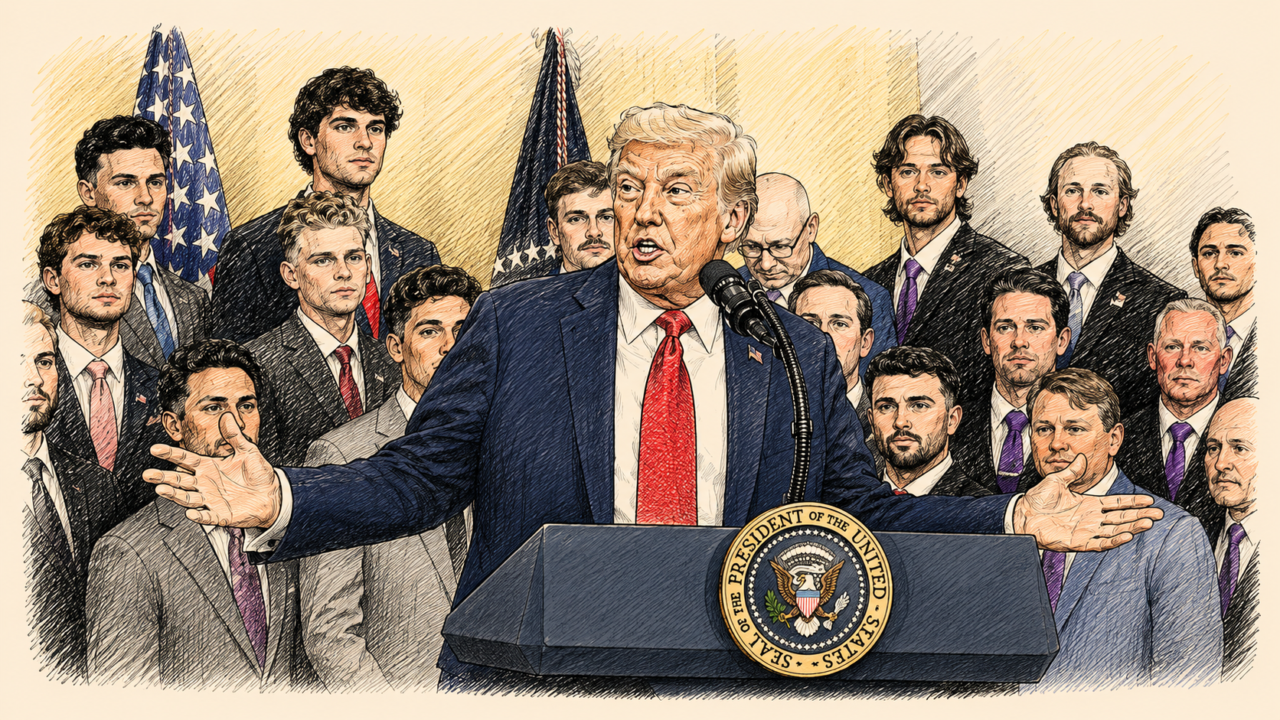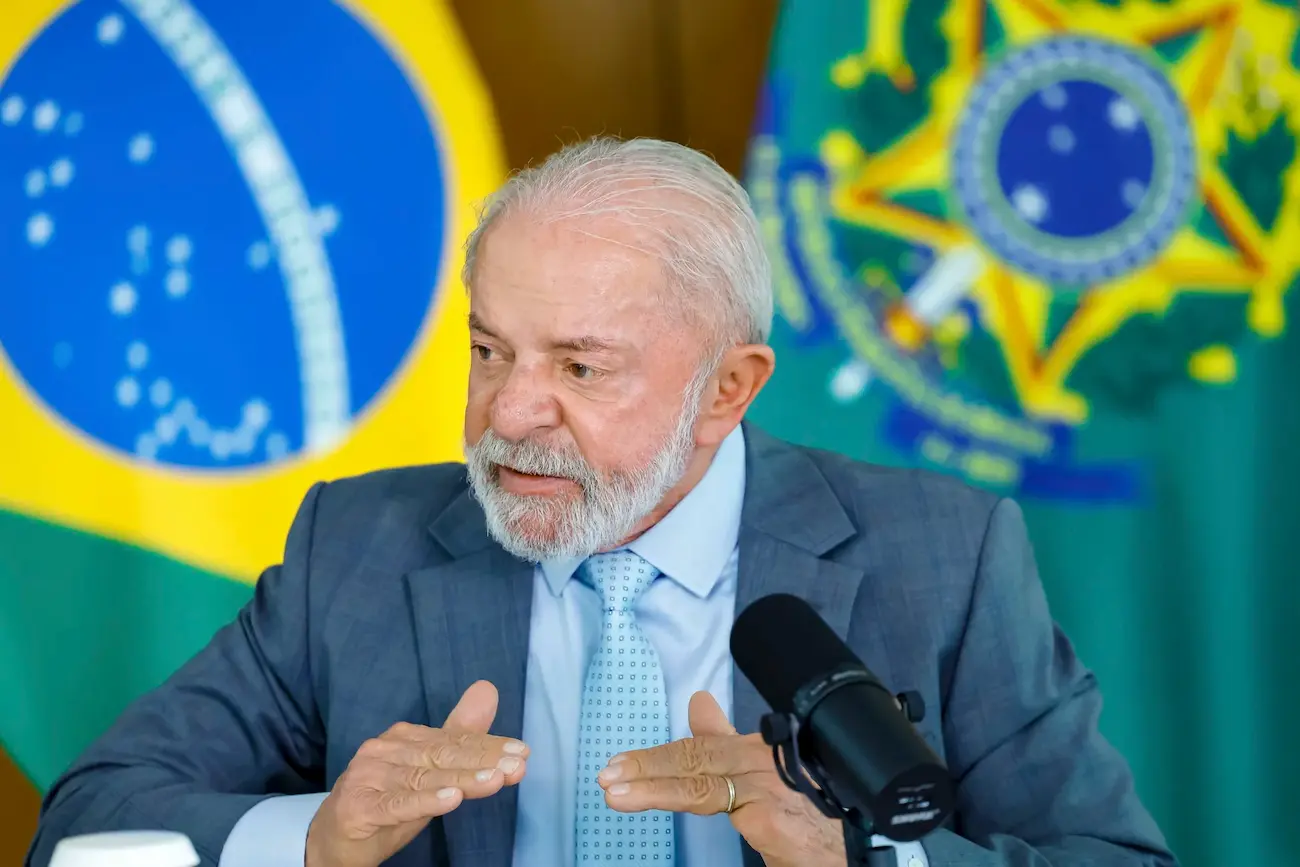

President Luiz Inácio Lula da Silva has landed in Europe with sharp words and a “foot-in-the-door” diplomatic approach. In an interview with the Spanish newspaper El País, granted at the start of his official trip, Lula did not hold back in his criticism of Donald Trump’s governing style. The primary target was the U.S. policy of force, which the Brazilian leader classified as a “very wrong game.” For Lula, the premise that military and economic might gives Washington the right to dictate global rules is a dangerous anachronism that only breeds global instability.
Addressing the crisis in Venezuela—marked by the recent abduction of Nicolás Maduro by American forces—Lula was pragmatic: he advocated for an electoral process agreed upon with the opposition but categorically rejected U.S. tutelage over Caracas. “The U.S. cannot believe they can manage the country. This is not normal,” the president fired back, reinforcing that Brazilian democracy, where discussion happens at the negotiating table, is an example that the United States itself should observe.
The Weight of “Two 80-Year-Old Gentlemen”
Lula revealed behind-the-scenes details of conversations with Trump regarding tariffs imposed on Brazil, recounting that he asked the mogul for “maturity.” With his characteristic sharp irony, the Brazilian leader remarked that two octogenarian leaders should speak with the seriousness their age demands, rather than resorting to shows of force with ships and fighter jets. His criticism extended to the American attack on Iran, which Lula linked directly to the rising fuel prices punishing the people.
On Cuba, the Brazilian president questioned the selectivity of international outrage. Comparing the island to Haiti, Lula suggested that Washington’s problem is ideological, not humanitarian. “Cuba needs an opportunity,” he stated, arguing that the blockade stifles the development of a people who deserve the autonomy to decide their own future.
European Tour and Strategic Agreements
Lula’s agenda in Europe, running from April 16 to 21, is an attempt to consolidate Brazil as the “adult in the room” of multilateralism. After the 1st Brazil-Spain Summit in Barcelona, where he meets with Pedro Sánchez, the president will head to Germany for the Hannover Messe, focusing on industrial innovation and investment.
The tour will conclude in Portugal, but the core message has already been delivered: Brazil does not accept Trump’s policy of morning threats. At a time when world powers seem to flirt with chaos, Lula is selling the image of a country that prefers free trade and dialogue over gunpowder. For the Diário Carioca, Lula’s message is clear: sovereignty is not a tradable commodity on Washington’s balance sheet.