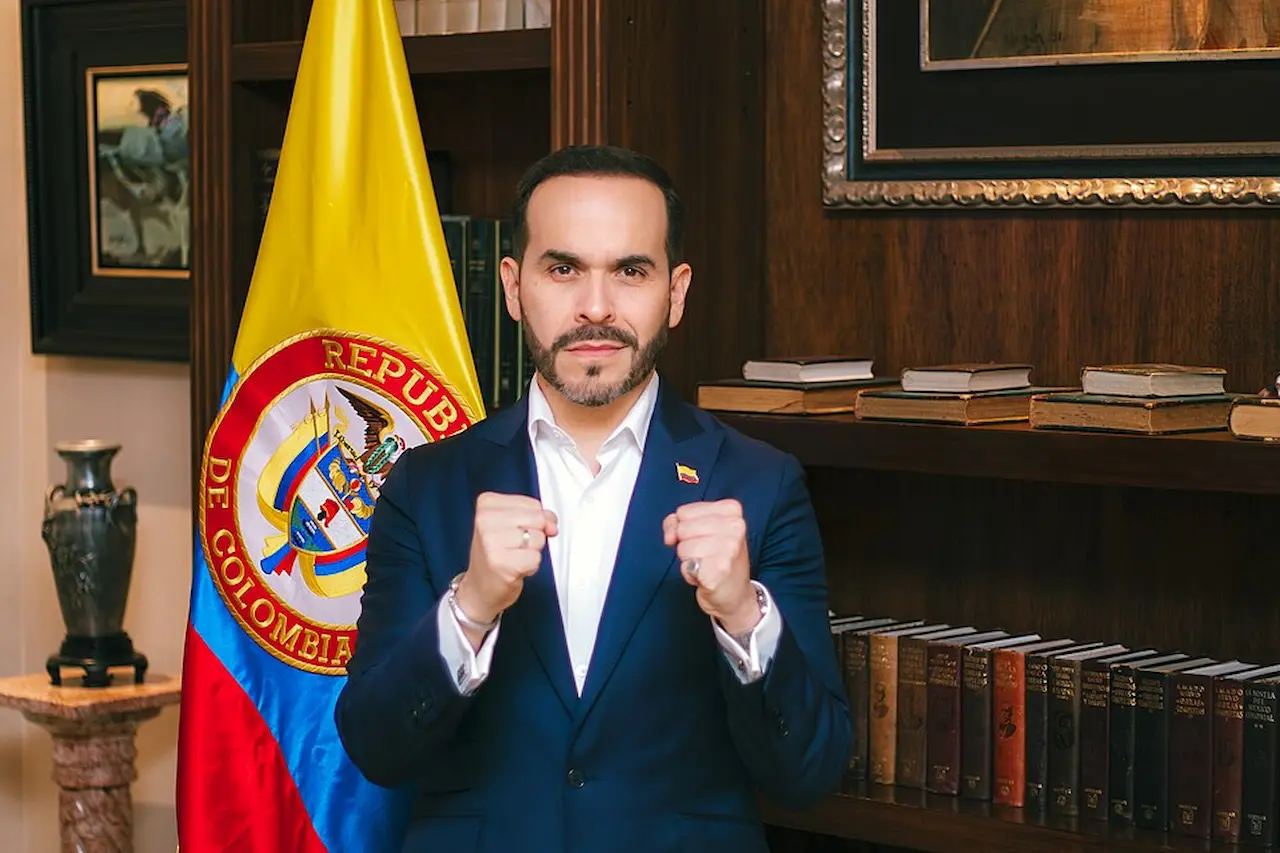
Venezuelan politics, currently in its most atypical and tense period, has just added a new chapter in the courts of California. Delcy Rodríguez, the interim president who took over at the Miraflores Palace following the abduction of Nicolás Maduro in January, has formally hired attorney Jihad Smaili as her official representative in the United States. The registration, filed with the Department of Justice last Tuesday (14), signals that Rodríguez does not intend to be a mere transitional figure, but the main protagonist in the Chavista succession.
The move is strategic: Smaili will serve not only as a political consultant but as a key piece in providing legal protection for an eventual presidential bid by Delcy. While the opposition demands immediate elections and a reform of the National Electoral Council (CNE), the government relies on the Supreme Tribunal of Justice (TSJ) ruling, which grants Rodríguez an interim mandate theoretically until 2031, claiming that Maduro remains the de jure president despite being held by Washington.
The Battle for Oil
Beyond electoral ambitions, Jihad Smaili will face the Herculean task of recovering PDVSA and Citgo assets on American soil. Citgo, the U.S.-based arm of the Venezuelan state oil company, has become the epicenter of a billion-dollar dispute since the Trump administration authorized its liquidation in December 2025.
Rodríguez, who has long been the diplomatic and economic face of Chavismo, is now attempting to reverse the forced sale of the company. Hiring a U.S. attorney indicates an effort to normalize commercial relations under the new and complex diplomatic conditions established after the resumption of dialogue with the Trump administration.
Recognition and Resistance
The scenario is paradoxical: while the U.S. holds Maduro in custody, Donald Trump’s administration has recognized the legitimacy of Delcy Rodríguez’s interim management. This validation allowed for the resumption of diplomatic relations but did not eliminate the economic siege.
The PSUV, the party supporting the government, remains silent regarding an official candidacy, but Delcy’s steps in the U.S. speak for themselves. By securing specialized defense for PDVSA’s interests and her own political image, the interim president is preparing the ground for an election that, though not yet scheduled, has already begun in international backrooms. For Caracas, the goal is clear: ensure the survival of the Bolivarian model with a new face—one acceptable enough to negotiate the lifting of sanctions.