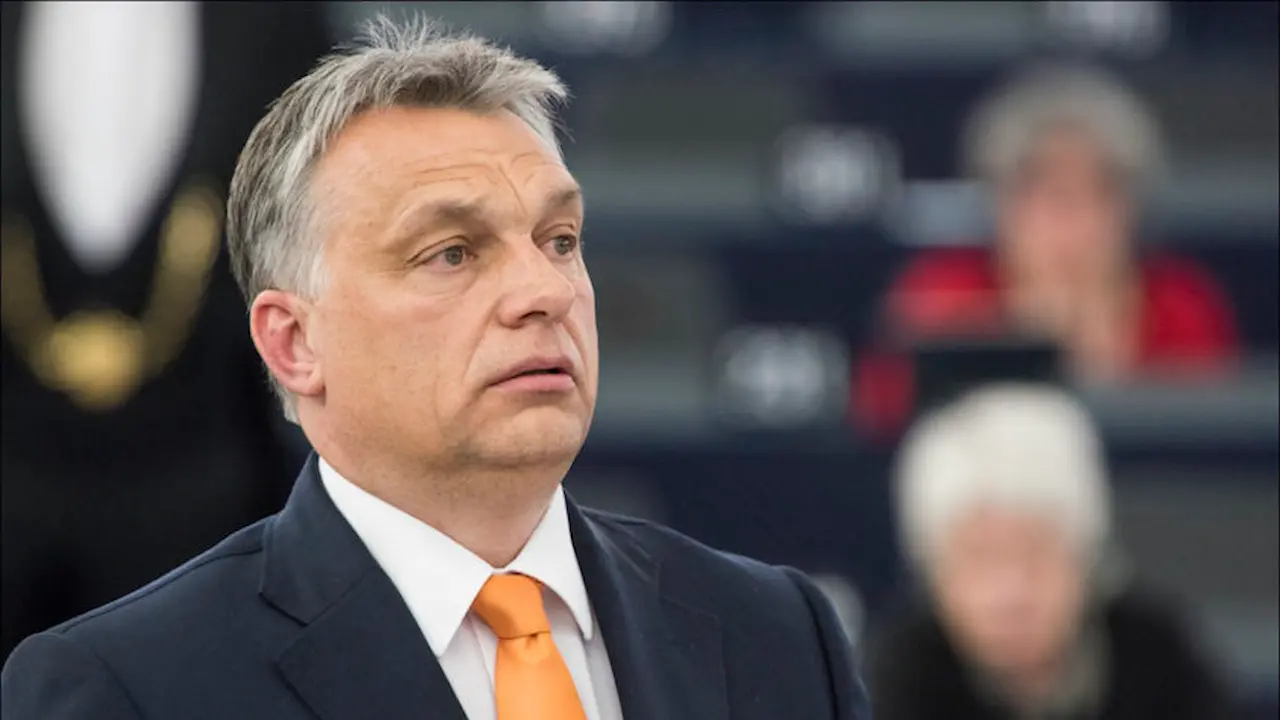

The “Hungarian model” of Viktor Orbán has dramatically collapsed at the polls. This month, Hungary recorded a record turnout of nearly 80% of voters to end a 16-year cycle of Fidesz party dominance. The winner is Péter Magyar, a former Orbán ally and leader of the Tisza party, who not only won but secured a two-thirds supermajority in Parliament (138 out of 199 seats).
In his concession speech this Thursday (16), Orbán did not hide his dejection. The Prime Minister, who became a global icon for the nationalist right, described the result as “painful but clear,” stating he felt “fatigue, pain, and emptiness” following the downfall. “The responsibility and opportunity to govern were not given to us,” he declared, pledging that Fidesz would serve the country from the opposition.
The Rise of the Challenger
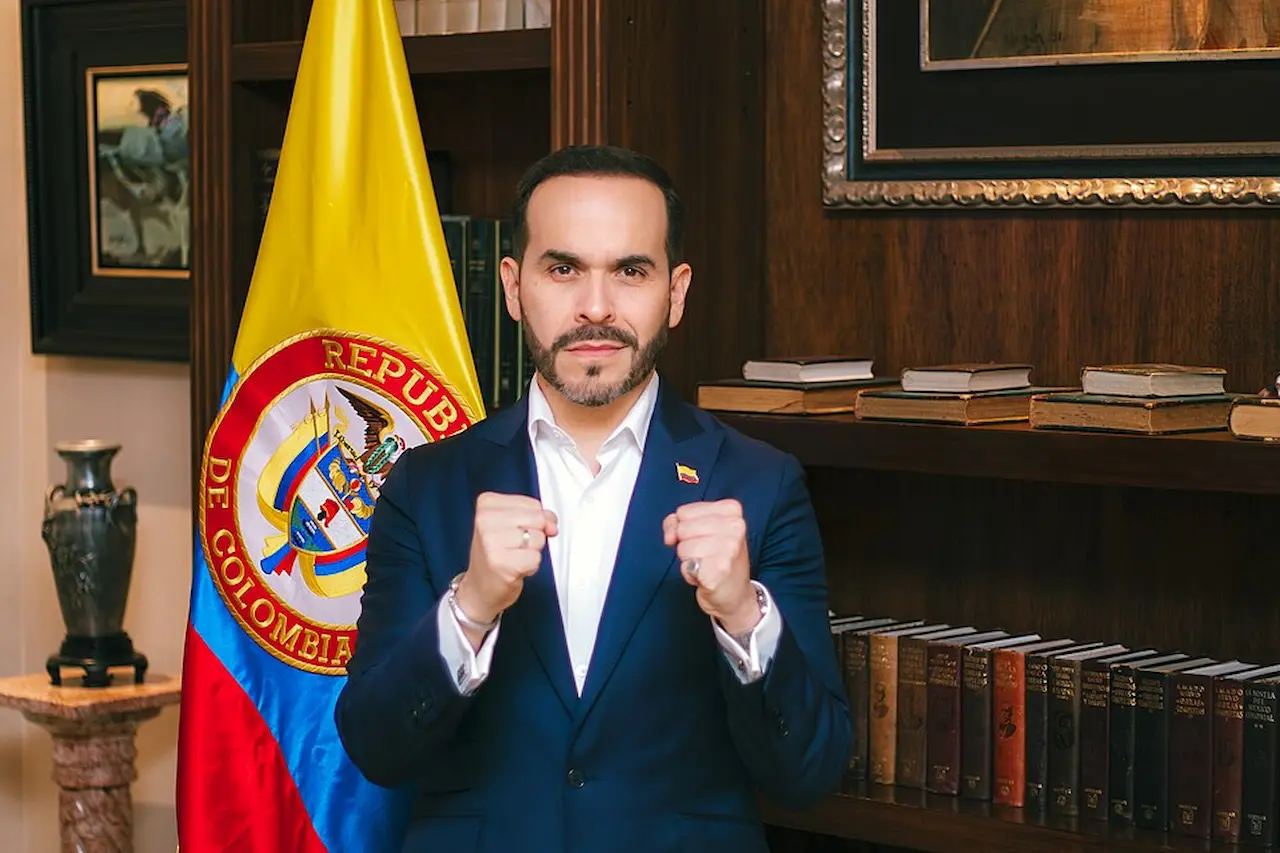
Péter Magyar, 45, followed an unlikely path: from a diplomat within the government’s inner circle to the leading voice for change. His final break with Orbán occurred in 2024, driven by corruption scandals and institutional concerns. With a campaign focused on transparency and re-establishing ties with the European Union, Magyar successfully mobilized young voters and medium-sized cities.
The Tisza party’s victory is being hailed in Brussels as a “European rebirth” for Hungary. European Commission President Ursula von der Leyen was among the first to congratulate Magyar, stating that “the heart of Europe is beating stronger in Hungary.”
The Future of the Administration
Starting in May, when Magyar is expected to officially take office, the promise is a deep reform of the institutions and the media system, which under Orbán were closely aligned with the state. The new leader has already signaled his intent to unlock billions in EU funds that were previously frozen due to rule-of-law concerns.
Despite the crushing defeat, analysts warn that “Orbánism” may attempt to persist through political tactics in the opposition. However, having lost his qualified majority, Orbán’s power to unilaterally amend the Constitution—his primary tool of governance over the last decade—has been neutralized by the popular vote.