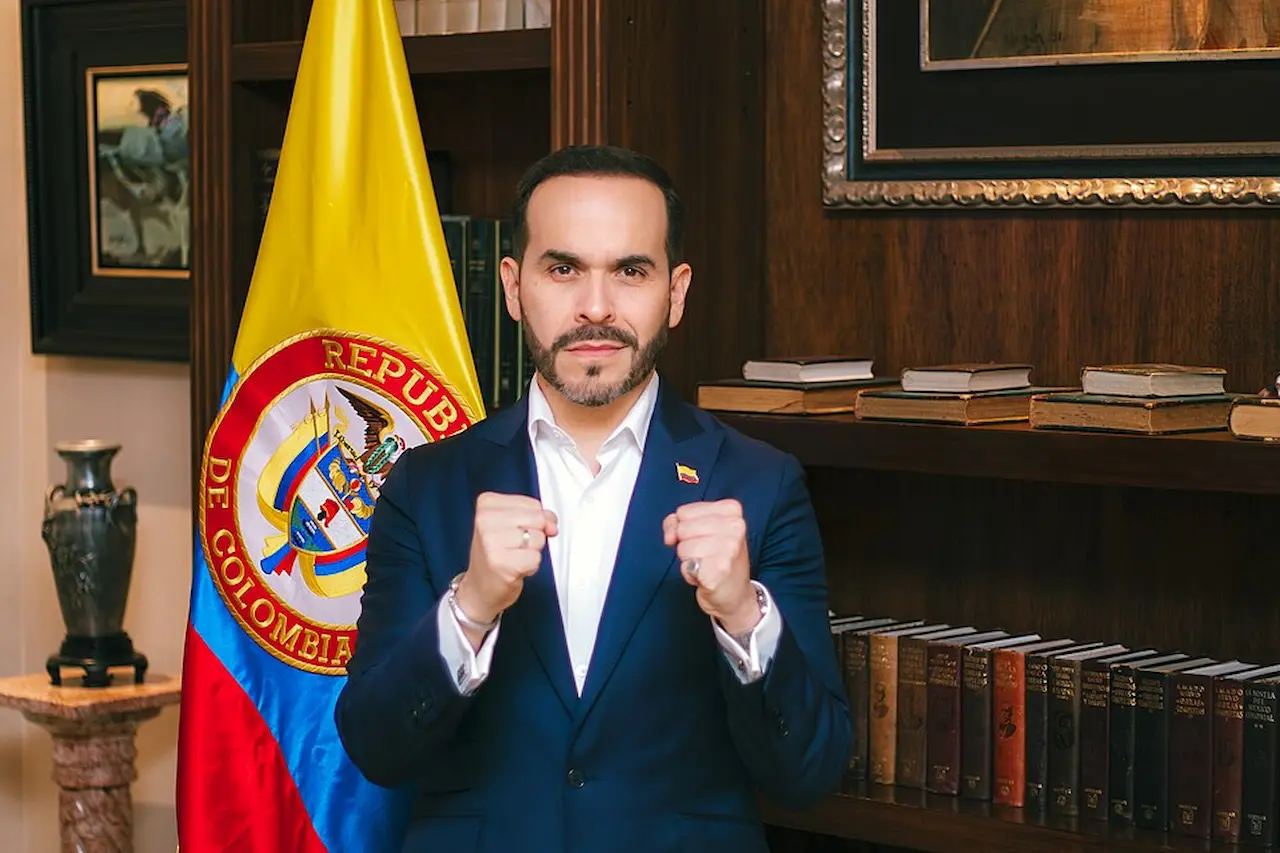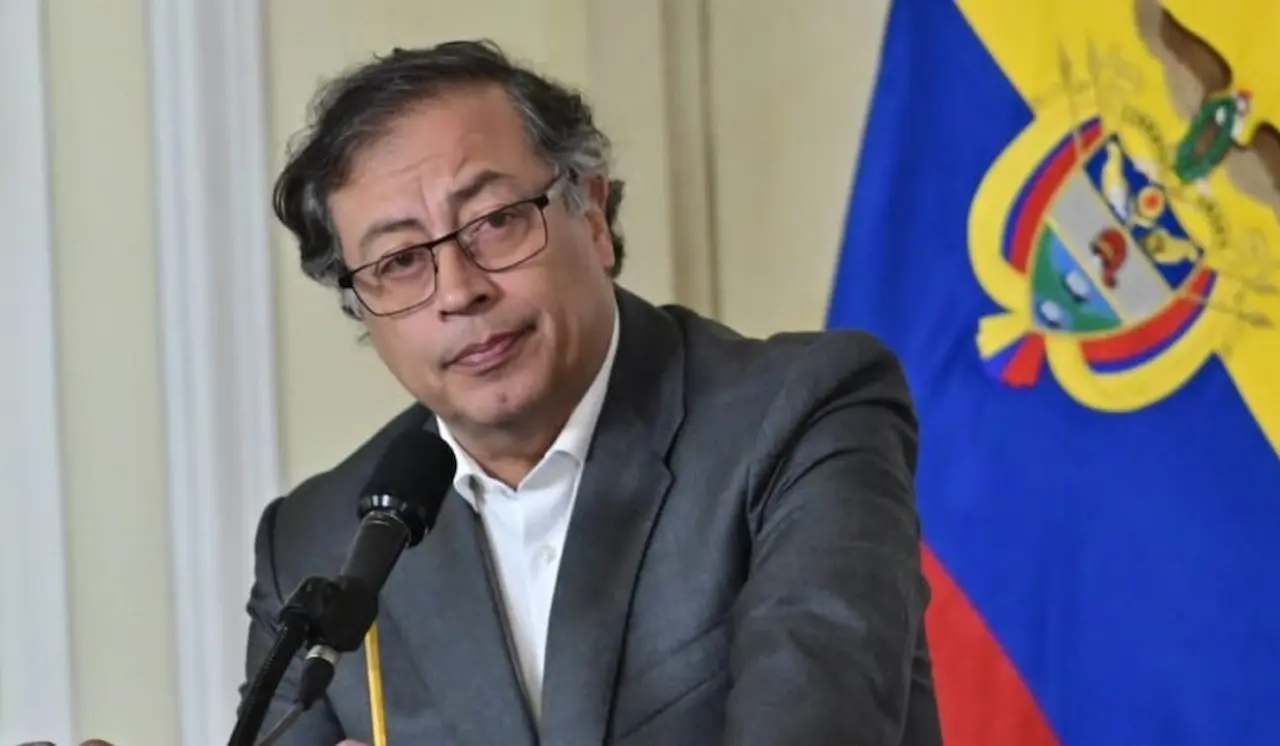

The Colombian government officially announced on Thursday the termination of peace negotiations with the Estado-Mayor de Blocos, one of the most active dissident fronts in the Andean territory. The decision, communicated directly by President Gustavo Petro, marks a definitive breaking point after months of tension and accusations of bad faith by the insurgents.
According to the Casa de Nariño, the group systematically violated fundamental commitments, particularly those regarding environmental preservation in protected areas—one of the innovative pillars of this dialogue cycle. Furthermore, a resurgence of direct offensives against Colombian security forces made it impossible to maintain the ceasefire or political trust at the negotiating table.
Analysts view this outcome as a severe blow to the “Total Peace” (Paz Total) flagship policy, Petro’s ambitious project aimed at simultaneously disarming all irregular groups in the country. As the government enters the final stretch of its mandate in 2026, the room for maneuver to regain internal stability is drastically shrinking.
The Environmental Preservation Impasse
Unlike previous peace processes, Petro attempted to link peace with the climate agenda. The Estado-Mayor de Blocos had committed to ceasing deforestation and illegal mining in critical zones. However, intelligence reports confirmed that the group maintained predatory control over natural resources.
For the government, the environmental breach was not merely a technical failure but proof that the group’s structure prioritizes illicit financing over national pacification.
Offensive Against Public Security
The final straw for the suspension was the escalation of attacks in the southwest of the country. In recent weeks, strikes against military patrols and police outposts demonstrated that the group used the dialogue period for tactical reorganization rather than preparing for disarmament.
- End of Ceasefire: The Armed Forces have been ordered to resume total offensive operations against the group’s camps.
- Petro’s Rhetoric: The president adopted a more combative tone, stating that “peace cannot be a shield for criminality.”
- Political Isolation: The government now faces criticism from the opposition for perceived “naivety” in maintaining dialogues with groups showing no real political will.
“Total Peace” Challenges Months Before the Election
Colombia’s electoral calendar places additional pressure on the administration. As the government’s term nears its end, the status of public security becomes a decisive electoral asset—or liability. the failure with the Estado-Mayor de Blocos adds to persistent difficulties in talks with the ELN (National Liberation Army).
The sense of insecurity in rural areas has eroded Petro’s popularity. The current strategy is to concentrate efforts on smaller, local agreements, trying to salvage fragments of the original pacification plan before the transition of power.
Summary of Ongoing Conflicts
| Armed Group | Negotiation Status | Main Obstacles |
| Estado-Mayor de Blocos | Terminated | Attacks and environmental crimes |
| ELN | Deep crisis | Kidnappings and territorial control |
| Segunda Marquetalia | Incipient dialogue | Legal discrepancies |
| Clan del Golfo | No formal dialogue | Purely narco-paramilitary nature |
Colombia enters a period of military uncertainty. Without the negotiating table, a resurgence of combat is expected in border regions and central jungles, where the power vacuum left by the suspension of agreements will be contested by force among the remaining factions.