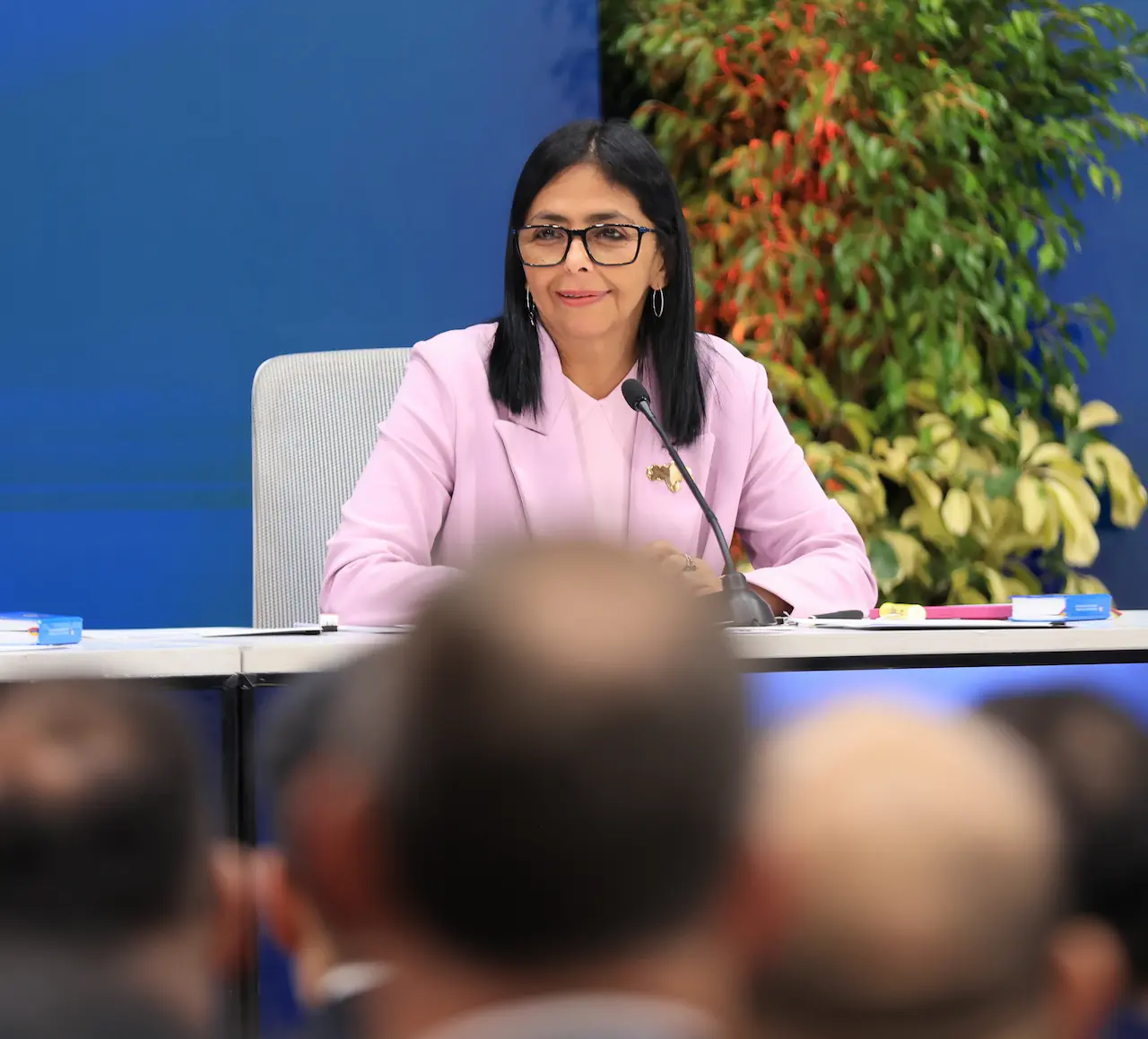

The century-old dispute over the Essequibo territory entered a new legal chapter this Tuesday (12). The Vice President of Venezuela, Delcy Rodríguez, appeared before the International Court of Justice (ICJ) in The Hague to reaffirm Caracas’s position: direct negotiation with Guyana is “indispensable” and the only legitimate way to resolve the territorial impasse.
During the UN-linked hearing, Rodríguez argued that the 1966 Geneva Agreement must serve as the sovereign legal basis for any understanding. This argument mirrors the narrative used by Nicolás Maduro during times of heightened tension, when the Venezuelan government threatened to annex the region following a consultative referendum.
The Oil Factor
Interest in the Essequibo, which accounts for more than two-thirds of Guyana’s landmass, has escalated drastically in recent years following the discovery of massive offshore oil reserves by ExxonMobil. Venezuela claims that Georgetown’s exploitation of these resources is illegal, while Guyana seeks a definitive ruling from the ICJ to validate the border established by the 1899 Paris Arbitral Award.
Pillars of the Venezuelan Argument
- 1966 Geneva Agreement: Venezuela claims this document nullified the 1899 award and binds both parties to a negotiated solution.
- Direct Negotiation: Caracas rejects the ICJ’s jurisdiction to decide the case unilaterally, insisting on bilateral dialogue.
- Historical Sovereignty: The Venezuelan claim dates back to the colonial period, alleging the territory always belonged to the Captaincy General of Venezuela.
Conflict Snapshot
| Aspect | Dispute Details |
| Disputed Area | 160,000 km² (Essequibo) |
| Resources at Stake | Oil, gold, and biodiversity |
| Guyana’s Position | Defends the 1899 Award and ICJ mediation |
| Venezuela’s Position | Defends the 1966 Agreement and direct negotiation |
A Climate of Uncertainty
While Delcy Rodríguez maintained a diplomatic tone at The Hague, the Venezuelan military presence near the border and Caracas’s nationalist rhetoric keep the region on high alert. Guyana, backed by international allies and major oil powers, maintains that the issue must be decided strictly within international courts, refusing any territorial concessions outside of the UN’s legal framework.