
Diplomatic offensive amid regional crisis
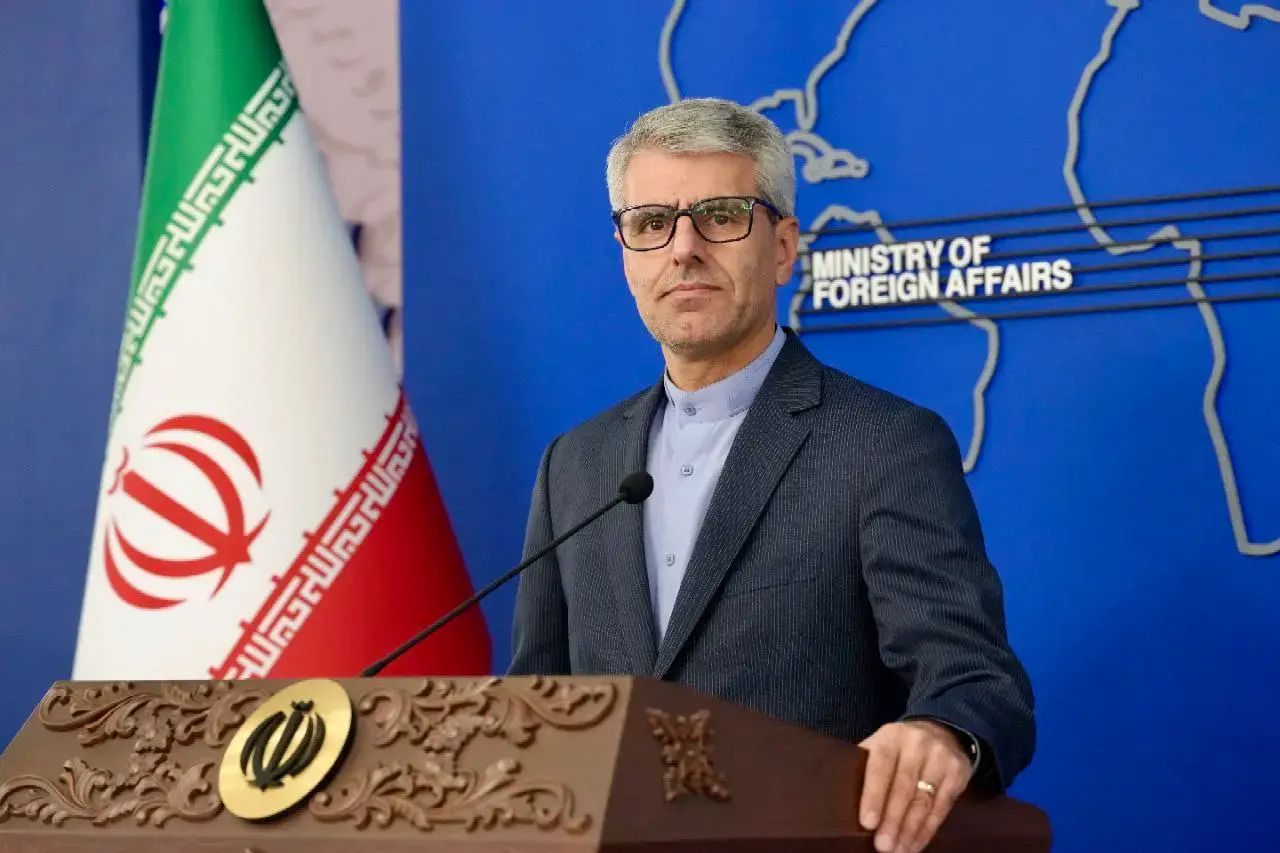
The government of Iran officially submitted a new peace proposal addressed to the United States on Monday (18). The move comes at a time of extreme geopolitical volatility and seeks to establish de-escalation channels for the ongoing conflict in the Middle East. The communication channel and physical delivery of the document were operationalized by Pakistan, an Asian nation currently serving as the official mediator in the delicate diplomatic talks between Tehran and Washington.
According to information broadcast by Tasnim, the Iranian state news agency linked to the Islamic Revolutionary Guard Corps (IRGC), the fresh strategic blueprint consists of 14 crucial points. The framework outlines provisions for a comprehensive regional ceasefire alongside reciprocal confidence-building measures designed to restore baseline international communication channels.
Financial demands and political recalculation
The core of the Iranian agenda rests on alleviating the economic stranglehold imposed by Western powers. In the text submitted to the White House, Tehran conditions progress toward regional stability on the immediate release of frozen financial assets in overseas bank accounts and the subsequent removal of punitive trade sanctions.
- Previous friction factor: A prior proposal drafted by Tehran earlier this month was swiftly rejected by Washington’s hardline diplomatic faction.
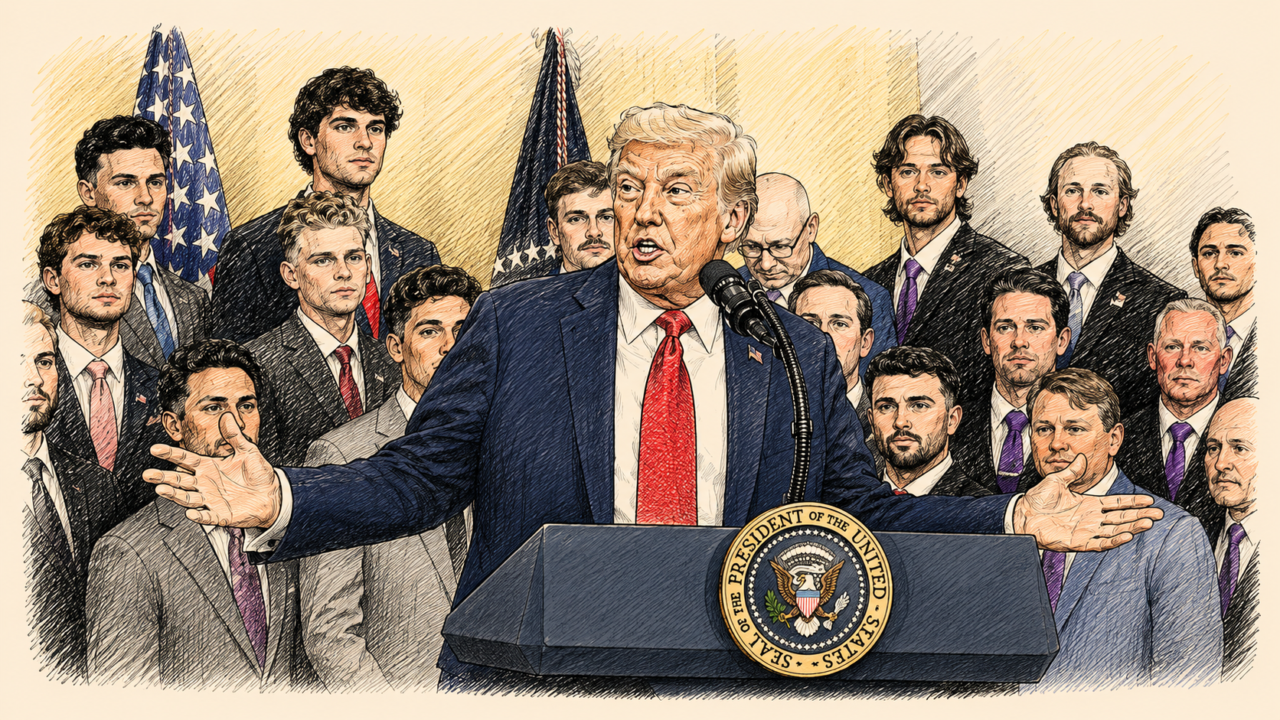
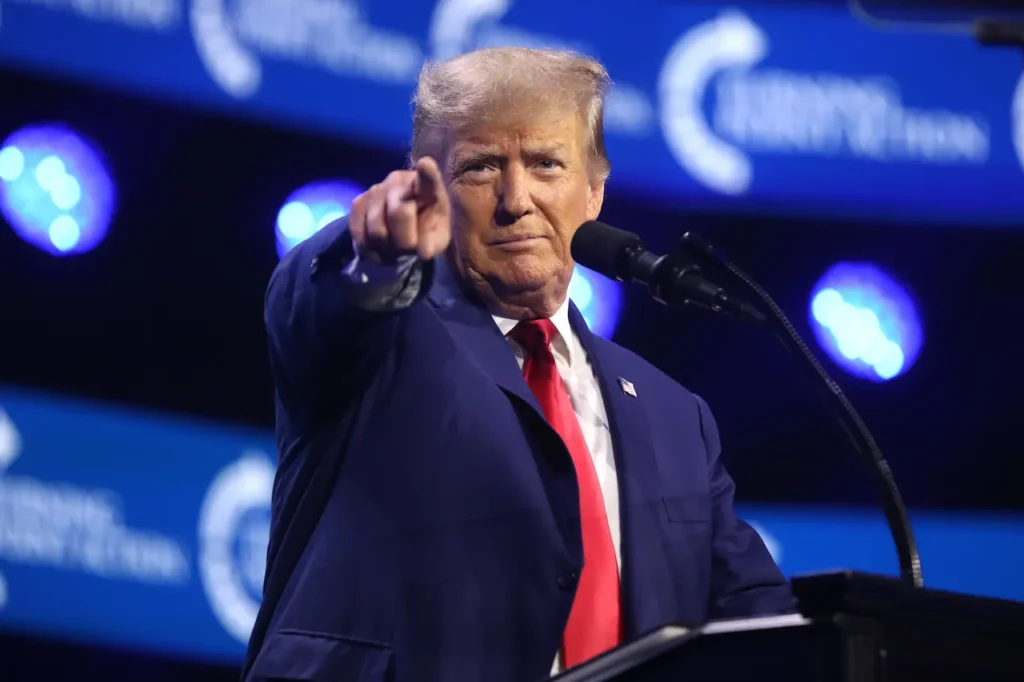
- The American stance: The administration led by President Donald Trump continues to demand severe concessions regarding Iran’s nuclear program and its funding of paramilitary groups.
- Pakistan’s role: Pakistani diplomacy operates by filtering terms to prevent an early collapse of the indirect negotiation tables.
The Middle East chessboard
The reconfiguration of the Iranian proposal signals Tehran’s urgency to relieve a domestic recession worsened by global banking isolation. However, the success of the 14-point plan depends heavily on its reception by the U.S. Department of State, which has maintained a posture of maximum economic pressure. International analysts note that accepting minimum terms for financial cooperation is viewed by Donald Trump’s team as an excessive concession prior to factual disarmament in the region.
Pillars of Indirect Negotiation: Tehran and Washington
| Axis of Discussion | Iranian Demand (Tasnim) | U.S. Demand (White House) | Mediation Role (Pakistan) |
| Overseas Assets | Immediate unfreezing of funds | Monitoring against diversion | International audit of flows |
| Economic Sanctions | Full repeal of restrictions | Maintenance until targets met | Proposal for gradual suspension |
| Regional Security | Withdrawal of foreign forces | Dismantling of active militias | Creation of neutral buffer zones |
This new diplomatic attempt runs parallel to the severe impacts that the Middle East conflict has generated across global supply chains, particularly within the energy and crude oil sectors. The international community awaits an official statement from the White House in the coming hours to gauge whether the 14 points proposed by Iran will serve as a foundation for an armistice or if the blueprint will be summarily shelved like the last.