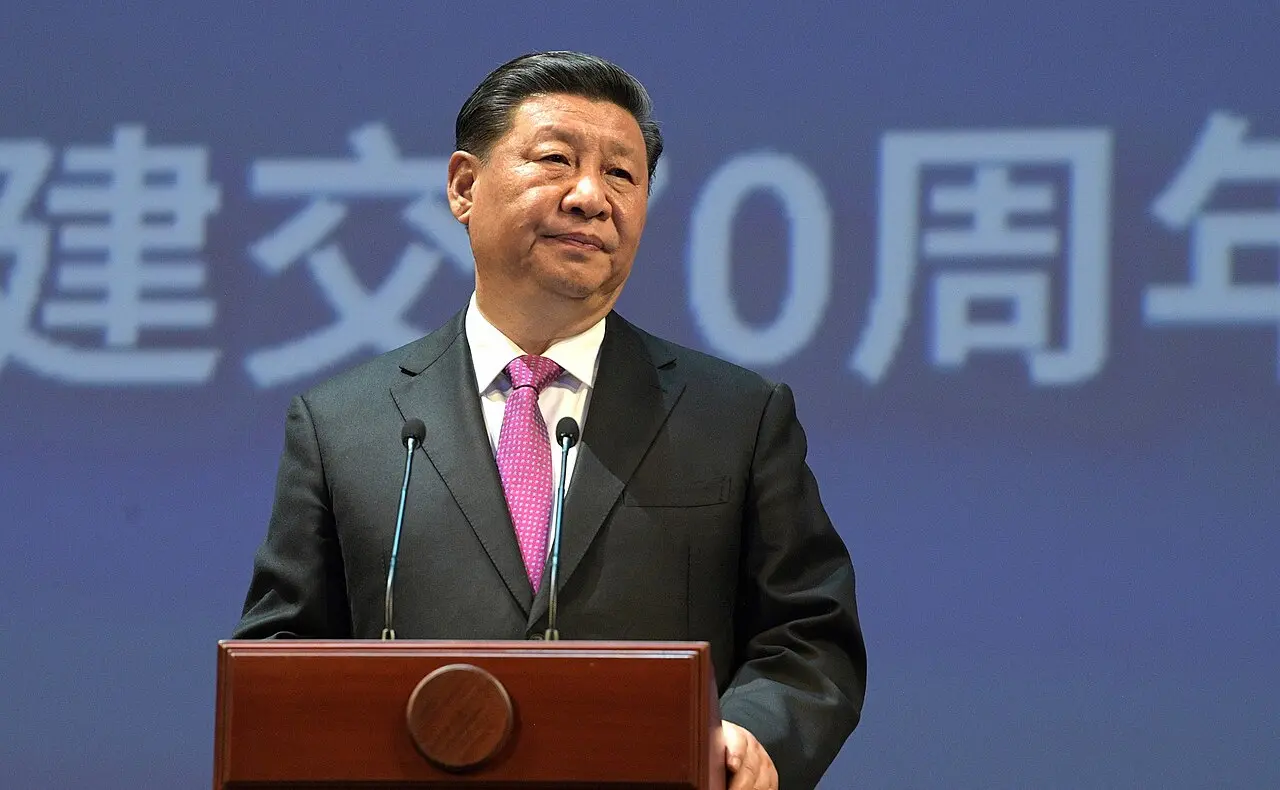

Chinese President Xi Jinping signaled a significant shift in tone regarding Eastern European geopolitics by telling US President Donald Trump that Russian leader Vladimir Putin could ultimately regret his military invasion of Ukraine. The revelation of these backstage diplomatic talks was published by the British newspaper Financial Times this Tuesday (19), shaking Western and Asian chanceries due to the unprecedented nature of Beijing’s stance.
Behind the scenes of high-level diplomacy
The confidential dialogue took place during a strategic bilateral meeting held last week in Beijing. On the private agenda between the two economic superpowers, the heads of state extensively debated the developments of the war in Ukraine, the commercial impacts of international sanctions, and the legitimacy of arrest warrants issued by the International Criminal Court (ICC).
According to diplomatic sources consulted by the publication, Xi Jinping’s words were interpreted by the White House as the most direct, pragmatic, and critical manifestation from the Chinese leadership regarding the conflict since the beginning of Russian hostilities, moving away from the traditional ambiguous neutrality adopted by the Chinese Ministry of Foreign Affairs.
The chronological factor and international pressure
The leak of this conversation occurs at a delicate strategic moment, precisely on the eve of a new scheduled bilateral summit between Xi Jinping and Vladimir Putin in Chinese territory. The movement indicates that the “no limits” partnership once announced between Moscow and Beijing is facing severe stress tests driven by economic isolation and institutional pressure.
Intelligence analysts point out that the pressure exerted by the G7 and the threats of secondary sanctions against China’s banks and industries that maintain commercial ties with the Kremlin war machine are beginning to recalibrate the pragmatism of the planet’s second-largest economy.
| Pillars of the Beijing Debate | Focus of Bilateral Discussions | Signaled Position |
| War in Ukraine | Long-term consequences for Russia | Xi Jinping warns of Putin’s potential regret |
| International Criminal Court | Validity of warrants and leadership isolation | Evaluation of global institutional legal risks |
| Bilateral Relations | Commercial alignment and regional security | Beijing demonstrates pragmatism amid US sanctions |
The horizon of relations between the superpowers
The reaction of the Russia government to the British newspaper article remains under wraps, while the United States Department of State avoided formally commenting on the intelligence leaks. The confirmation of this stance by Xi Jinping alters the geopolitical chessboard, suggesting that the economic sustainability provided by China to the Russian market has clear cost-benefit boundaries.
- Shift in Tone: Chinese pragmatism overrides the rhetoric of an unrestricted ideological alliance.
- Upcoming Summit: The next meeting between Beijing and Moscow gains undertones of mutual accountability.
- Western Vigilance: Donald Trump utilizes the open dialogue to gauge China’s actual geopolitical red lines.
The next steps of Asian diplomacy will serve to confirm whether the statement represents a true realignment of forces or a tactical deterrence maneuver toward Washington.