
Tomsk’s Nanoparticle Leap
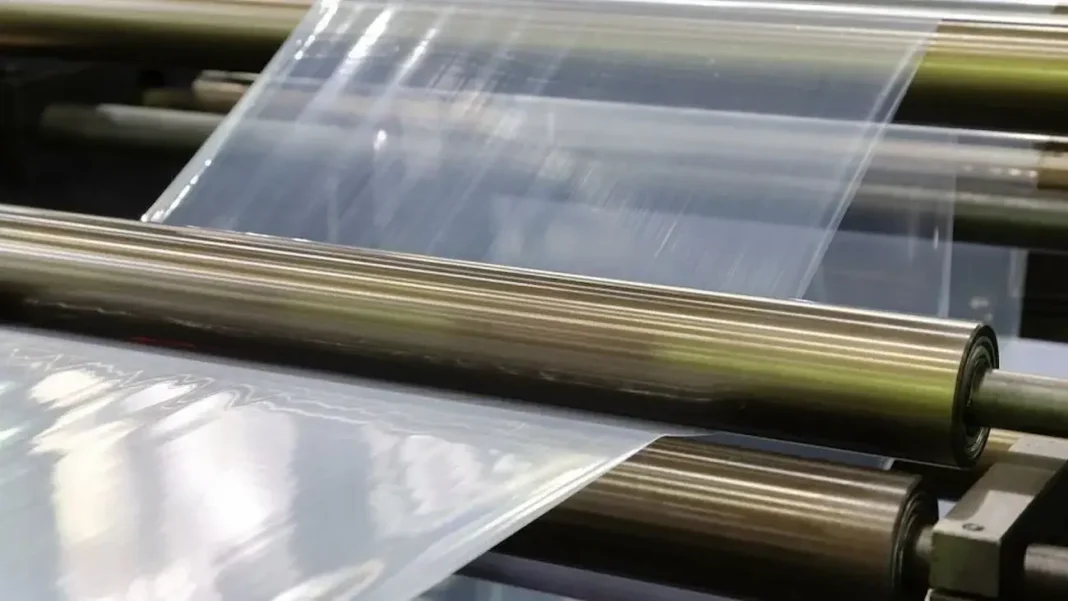
Physicists at Tomsk State University, collaborating with Siberia’s Strength Physics Institute, engineered a polypropylene film doped with zinc oxide-silver nanoparticles that eradicates nearly 100% of surface pathogens on food packaging. Lab validations against Staphylococcus aureus and Candida albicans pinpointed optimal dosing, upholding polymer durability and barrier functions intact. Now patented, it’s drawing corporate bids for swift commercialization.
Light-Triggered Microbial Annihilation
Illumination—sunlight or store fluorescents—sparks nanoparticles to unleash reactive oxygen species, dismantling bacterial and fungal architectures on conventional plastic havens. This photochemical synergy harnesses silver’s punch with zinc’s safety profile, dodging food migration pitfalls via minimal loadings. Cytotoxicity assays greenlight human contact safety, a linchpin for FDA pathways.
Ripple Through U.S. Food Security
America’s $200 billion annual food waste epidemic stands to shrink as this film boosts perishables’ shelf life by days, slashing recalls like the 2025 E. coli lettuce outbreaks plaguing Walmart and Kroger. Meatpackers and dairy giants like Tyson gain export edges to strict EU markets, fortifying supply chains amid climate-driven spoilage spikes. Domestic grocers eye it to cut 40% produce losses at retail.
Patent Path to Market Dominance
Russian patent shields the tech, primed for lab-to-factory handover backed by federal grants, pressuring U.S. rivals in chitosan or UV-dependent films. Regulatory hurdles focus on nanoparticle leach tests, but low-dose design fast-tracks approvals versus high-silver alternatives. Scalability leverages polypropylene’s ubiquity, promising penny-per-pound premiums.
Analysis & Context
Butterfly Effect on Waste Economies
Worldwide, 1.3 billion tons of food rot yearly; this Siberian edge could cascade into policy shifts, from USDA subsidies to Big Food R&D surges. U.S. insurers anticipate drops in contamination claims, while consumers benefit from fewer hospital visits over tainted goods. Tomsk repositions Russia as nanotech food vanguard, spurring U.S.-Russia agrotech pacts.
Takeaways:
- 100% microbe kill under everyday lights extends shelf life critically.
- Patented fix targets U.S. $200B waste, aiding chains like Kroger .
- Zinc-silver balance ensures no toxic leaching per tests.
- Boosts exports, cuts recalls in meat and dairy sectors.
- No market rivals in Russia signal first-mover U.S. opportunity.
- Maintains plastic strength, cost parity for mass adoption.