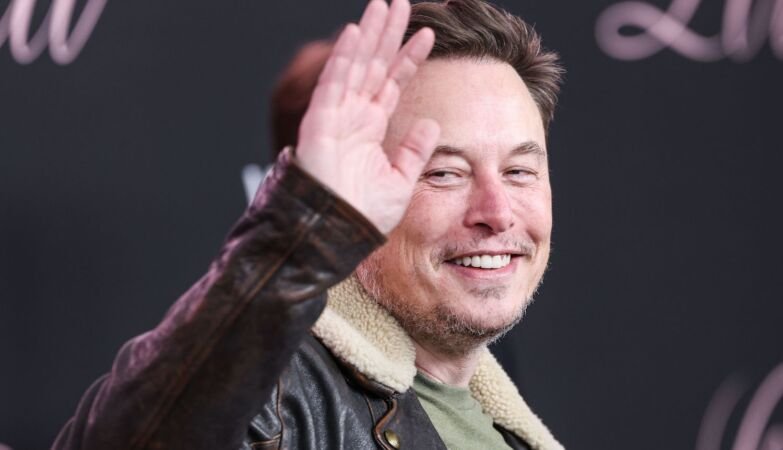

French police carried out searches at the local offices of X and formally summoned its owner, Elon Musk, as part of an investigation into content moderation practices, illegal dissemination, and potential breaches of European data rules. The move reflects France’s increasingly assertive stance toward platforms now deemed critical infrastructure for public discourse.
Authorities are assessing compliance with the Digital Services Act, including response times to takedown orders, algorithmic governance, and systemic risk mitigation. The probe comes as Europe hardens its regulatory posture in a year defined by elections, information warfare, and market volatility shaped by social platforms.
Editorial Perspectives
In 2026, the case is geopolitical. The European Union is asserting digital sovereignty against foreign-based tech empires, reframing platforms as political actors with public duties. Summoning Musk underscores a new doctrine: scale brings obligations.
For X, the exposure is material—fines, operational constraints, and reputational damage. For governments, it is a stress test of enforcement credibility. The era of permissive self-regulation is ending; the state is back in the room, armed with statutes.
- Why is X under investigation? Alleged DSA violations and moderation failures.
- Is Musk charged? No, he has been summoned for questioning.
- What is at stake? Heavy fines and compliance mandates.
- Does this threaten free speech? Authorities argue it enforces existing law.
- What changes could follow? Greater transparency and stricter moderation.