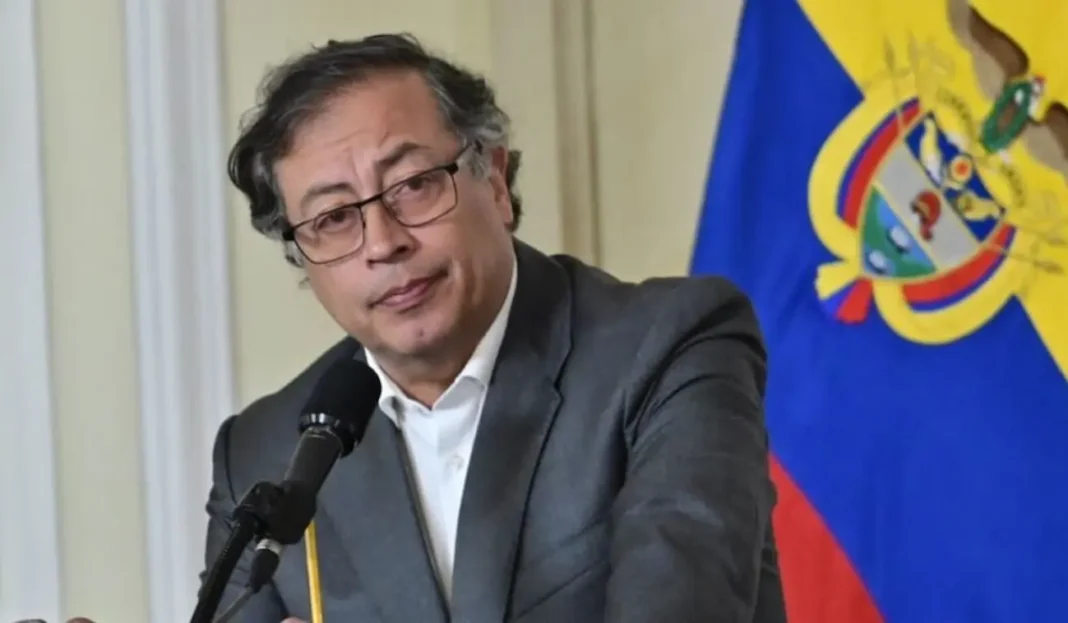

The specter of political violence—a dark thread woven through the history of Colombia—reappeared in the skies above the Caribbean coast this Tuesday. President Gustavo Petro reported narrowly escaping an assassination attempt after his official helicopter was forced to divert from its planned landing in the department of Córdoba. The account, detailing hours of evasive maneuvers over the open sea to avoid suspected gunfire, is more than a security breach; it is a direct assault on the democratic stability of the region. Petro, Colombia’s first leftist president, now faces a resurgence of the deadly friction between progressive governance and the entrenched financial power of international drug cartels.
The Strategy of Fear and the “Narcopower”
According to the president, the plot was orchestrated by drug trafficking groups that dominate the northern regions of the country. The decision to abort the landing and remain airborne for four hours reflects an invisible state of siege imposed by cartels that view Petro’s “Total Peace” policies as a threat to their territorial control. For Diário Carioca, this episode underscores a harsh reality: in Colombia, the transition toward social justice and the fight against inequality is being met with armed resistance by an illicit economy that refuses to yield to the Rule of Law. The fear of an aerial attack was not mere paranoia but a recognition that the power vacuum in rural Colombia is still filled by lead.
Historical Memory and the 2026 Election Cycle
This alleged attempt comes at a critical juncture, as Colombia approaches its next presidential elections. The nation still bears the scars of the assassinations of leaders like Jorge Eliécer Gaitán and Luis Carlos Galán. By denouncing this plot, Petro evokes a collective memory to warn against a violent democratic backslide. The surge in violence, fueled by FARC dissident groups and new criminal factions like the Gulf Clan, threatens the institutions’ ability to guarantee a safe and transparent electoral process. The recent kidnapping of a senator on the same day further illustrates the volatility of the current political climate.
Regional Impact and the Defense of Democracy
The attempt to silence Gustavo Petro resonates across Latin America. The rise of progressive governments in the region has been systematically challenged by forces operating outside the law, using terror as a tool for political leverage. The international community’s response must be firm in supporting Colombian sovereignty and protecting the lives of its elected representatives. The cold fact remaining after the scare in Córdoba is that democracy in Colombia continues to be a high-risk exercise, where the physical survival of the president is, in itself, an act of defiance against the structures of narcopower.
Analysis & Context
Takeaways:
- President Petro reported a drug-cartel plot to shoot down his helicopter in Córdoba.
- The aircraft spent four hours over the open sea to ensure safety after intelligence warnings.
- The incident occurred amid a surge in violence ahead of the 2026 presidential elections.
- Historical precedents of leftist assassinations in Colombia heighten the gravity of the threat.